Alarming Water Quality Issues in North Macedonia
- Published:
- Updated: January 2, 2025
Listen to this article
Summary
North Macedonia grapples with water quality challenges due to aging infrastructure, inadequate treatment facilities, and pollution sources like industrial waste and agricultural runoff. Disparities in access to clean water persist, affecting both rural and urban areas. Pollution impacts human health, biodiversity, and ecosystems, prompting policy measures and calls for sustainable management.
- Water Quality Challenges: Aging infrastructure and pollution sources threaten North Macedonia’s water quality.
- Pollution Sources: Industrial waste, agricultural runoff, and poor waste management contribute to contamination.
- Impacts and Responses: Pollution affects human health, biodiversity, and ecosystems, prompting policy measures and calls for sustainable management.

In the Balkans, North Macedonia features a network of rivers and lakes, the Vardar River, the Lake Ohrid. The country gets its water mostly from these surface wells (and some from subsurface wells). The wilderness is idyllic but the system controlling this essential resource is complicated.
Even in North Macedonia, the water system – though large – has ageing infrastructure, bad treatment and inefficient management. It has caused uneven access to clean water across the country and created the water pollution in which North Macedonia is now experiencing.
What are the main parameters used to assess water quality?
Water quality is a complex phenomenon with several parameters at play. We need to know these to estimate the degree of water pollution and its effects on human health and biodiversity.
These include pH (the amount of minerals dissolved and the biochemical activity of water); turbidity (the amount of sunlight attracted by water plants); temperature (which influences chemical reactions and metabolic activity of water animals); and dissolved oxygen (which is essential for most aquatic organisms to survive). As well, heavy metals, nitrates and bad bacteria can all indicate water contamination.
Current State of Water Quality in North Macedonia

North Macedonia has an abundance of water but is not able to preserve it in good quality. There are not many rural and urban communities where you can be certain of good and safe water.
The latest research has reflected repeated problems with water pollution in the country. For example, nitrates (a common byproduct of agricultural drainage) have been detected in many streams. Industrial effluent and poorly or not properly treated sewers are another culprit, fouling waterways with chemicals.
What are the primary sources or causes of water pollution in North Macedonia?
There are several sources of contamination in North Macedonia threatening to ruin the water quality of North Macedonia, and they each add part of their weight to the country’s waterways. Knowledge of these sources will go a long way toward successful mitigation.
Among the most major water pollution contributors are:
Waste from factories and power stations: Factory and power plant wastes are often dumped into the rivers and lakes untreated.
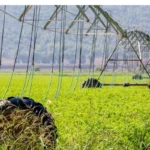
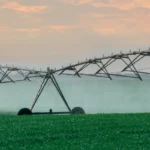
Run-off from farms: Overuse of fertilizers and pesticides can seep into watercourses.
Unsanctioned solid waste: Untreated and unmanaged solid waste releases pollutants into the ground or surface waters.
Sewage treatment not adequate: There are many areas that do not have adequate sewage treatment, hence the waste is released in the water bodies.
Impacts on Human Health and Living Conditions
Not only is water pollution an environmental issue, it is a direct consequence of human health and conditions. In North Macedonia, poor water quality reflected itself in different aspects of public health and living standards.
There are many health effects of drinking dirty water. These can include everything from gastroenterologies (from germs in tap water) to kidney diseases (from long-term heavy metal exposure). Water pollution also can impact living environments by restricting access to clean drinking water and making it difficult to clean oneself and get sanitation.
Effects on Biodiversity and Ecosystems
There is more to the North Macedonian consequences of water contamination than human wellbeing: biodiversity and ecosystems are in full force in this country. Many of these effects are subtle but cumulatively transformative.
Degraded water can wreck havoc on marine life, killing delicate organisms and disrupting food webs. Natritrates that accumulate too long can eutrophise and create algal blooms that kill fish and other aquatic life. They can even extend further downstream, in the form of birds and mammals dependent on these aquatic systems for sustenance or cover. Larger-scale, such changes can destroy whole ecosystems, destabilising biodiversity and imperilling threatened species.
Current Policies and Regulations
It takes policy and regulations to deal with water quality. Water management and pollution prevention measures are in place in some parts of North Macedonia, but sometimes they are not effective.
The laws of North Macedonia prevent the pouring of pollutants into waters and fines for violations. It also adopted water-management policies, including projects to modernise water supply networks and waste treatment plants. But there are still problems with the application of these laws, and there are still problems enforcing some policies on the ground.
Steps Towards Improvement and Sustainable Management
The water quality problems of North Macedonia might be difficult, but not impossible. If we work together at all levels, then we can make things better and make water management sustainable for both people and wildlife.
Treatments to treat water can include:
Improvement of infrastructure: Modern, high-efficiency water and wastewater treatment plants can make a real difference when it comes to minimising pollution.
Decreasing risk if not enforced: Ensuring that the rules already exist and are strictly enforced can deter potential polluters.
Encourage sustainable agriculture: Incentives to reduce inputs like fertilizers and pesticides can help reduce agricultural runoff.
Inform the population: Informing citizens about water conservation and the risks of water pollution will incentivize the population to behavioural change.
Water quality management in North Macedonia will be a community project, between government, industry and the public. If we can achieve this shared vision together, then we can protect this invaluable resource for future generations.
Share this on social media:
Facebook
Twitter
LinkedIn

Related Posts