Copper in Drinking Water: How Much Is Too Much?
- Published:
- Updated: December 31, 2024
Listen to this article
Summary
In the discussion surrounding copper in drinking water, understanding its sources, health implications, and regulatory standards is essential. Here’s a succinct breakdown:
- Copper Sources: From plumbing corrosion to natural occurrence, copper enters drinking water through various channels.
- Health Benefits: Copper is vital for bodily functions such as red blood cell production and immune system support.
- Toxicity Concerns: Excessive copper intake can lead to toxicity, causing symptoms ranging from nausea to liver failure.

Copper is just one of a multitude of minerals in the crust of the planet, and is extensively used in modern life. Copper is a nutrition that the human body needs as well, in addition to being used in electronics, building and coins. It is essential to many physiological functions, from helping to make red blood cells to maintaining nerve cells and immune system. And yet, for all its ubiquitousness and essential medicinal efficacy, many of us still ask the question: how much copper in our tap water is too much?
Copper naturally occurs in a lot of food, water and even the air we breathe. Copper ends up in our water almost everywhere around the globe thanks to copper plumbing fixtures. This is a common occurrence, but we should know what copper in our water means for us.
The Origins of Copper in Drinking Water
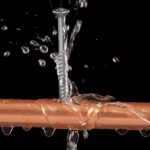
Copper gets into water for several reasons – natural and man-made. Copper is of course naturally present in water flowing through rocks and soils, melting copper minerals. But the most likely culprit of copper in water is copper pipe corrosion in your plumbing system at home. When water is acidic, or contains lots of dissolved oxygen, it also leaks copper out of the pipes, and the water becomes more copper-rich.
Copper plumbing pipes are common because they are resistant to bacteria and they last a long time. While the water will remain stagnant in these pipes, especially over the night or when you are out of town, and will collect copper which increases the water when first used.
What are the Health Benefits of Copper?

Let’s first discuss the negative effects of copper, but first, consider the health benefits. Copper is an antioxidant that can support many systems of the body when taken in adequate amounts. For instance:
It helps produce red blood cells which transport iron.
It’s part of the energy-production of cells.
Copper is involved in building and supporting the immune and nervous systems.
So you have to eat a certain amount of copper. But it is when these numbers cross the recommended limit that things go wrong.
The Dark Side: Copper Toxicity and Its Effects on Human Health
Copper is good for us but too much of it can cause copper poisoning. It is a syndrome that involves many symptoms, such as nausea, vomiting, abdominal pain, and diarrhoea. It can cause liver failure and death in the most severe cases. Excessive copper consumption can lead to chronic conditions such as kidney and anaemia as well.
There are some populations that are more susceptible to copper poisoning. They are babies and people with Wilson’s disease, a rare genetic condition that stores copper in the body. They need to check the copper in their water regularly to ensure they aren’t suffering health issues.
Setting the Threshold: Understanding Safe Copper Levels in Drinking Water
There are also copper safe drinking water guidelines from health and environmental groups. The goal for copper as a contaminant is 1.3 mg/L or parts per million (ppm), according to the US Environmental Protection Agency (EPA). That is to say, any copper that exists above this level is likely harmful.
However, there’s not a "magic" number here. It can depend on body weight, age and general health in the person’s tolerance to copper. Therefore, this is not a definitive advice as it is up to you.
Copper Testing: How to Find Out if Your Water is Safe
The test for copper in your drinking water can help to explain if you’re worried. Water testing by a professional is an evaluation of water quality (copper concentration). They conduct water testing laboratory tests that are accurate, and they are expensive services but they give the best data.
There are home water testing kits, if you want something a little cheaper. These kits let you test your water and sometimes have results immediately. They might not be as precise as testing done by professionals, but they’re a good way to get a baseline of whether more testing is needed.
Addressing the Issue: Methods to Reduce Copper in Your Drinking Water
If your drinking water test comes back with a copper reading that is too high, don’t be alarmed; there are a few things you can do. Here are a few approaches:
Modifying pH: pH in your water can lead to copper leaching from pipes. If you’re alkaline, you can reverse this process.
Adding Water Treatment Equipment: Some water treatment equipment reduces copper, like reverse osmosis units, distillers, or carbon filters with copper removal functions.
Replacing Plumbing Appliances: If you have old copper pipes in your home, replace them with new ones made of better material to reduce copper levels.
Always ask a professional first before figuring out which technique will work for you.
Real Life Impact of Excessive Copper in Drinking Water
In a number of cases around the world, communities had to deal with too much copper in their water. Such cases are a wake-up call to what a high copper intake can actually cost you.
This included one instance in a German town where copper levels went above the safe point from copper pipes being corroded. The residents suffered from stomach cramps and diarrhoea, and in children the consequences were lingering, including mild liver damage.
Then in the US, a town in Maine had to confront something like that. The copper in their tap water had caused gastric disorders in a few residents. The town therefore had to make large infrastructure investments, such as replacing copper pipes and installing a complete water treatment system.
Such cases point to the need for testing the drinking water frequently and applying the right measures to reduce copper concentrations. Although copper is a mineral that we all need, as with most things in life, it’s all about proportion. Watch out for copper in your water to stay healthy and well.
Share this on social media:
Facebook
Twitter
LinkedIn

Related Posts