How Water Quality Shapes the Diverse Communities of Queens
- Published:
- Updated: November 26, 2024
Listen to this article
Summary
Water quality significantly shapes the diverse communities of Queens, New York:
- Multicultural Unity: Queens’ various cultures rely on clean water, fostering community cohesion.
- Public Health Impact: Access to safe water is crucial for public health, driving investments in water treatment and testing.
- Cultural and Economic Importance: Water plays roles in cultural practices, local businesses, and the economy, highlighting its multifaceted significance.

Water quality is one thing that defines communities in Queens, New York, many different ways. A city that has multiple neighborhoods and populations, Queens is a mosaic of cultures, and water quality has an impact on people’s lives and wellbeing. From the iconic Jamaica Bay and its ecological value, to all the watercourses and parks that make up the borough, water access and adequacy drive both the quality of life and the distinct character of Queens’ diversified neighbourhoods.
Queens: A Melting Pot of Cultures
Queens is an melting pot, a little version of the world. And on the streets there are hundreds of languages that speak for societies from all over the world. It’s this multicultural mosaic that makes Queens an active, energetic city to live in, full of different food, festivals and traditions.
But they all share one need – safe, clean water. Water is what holds these communities together, and how well this precious resource works affects Queens’ residents’ health and wellbeing.
Understanding Water Quality

Water quality is the chemical, biological and physical quality of water. It’s a gauge of the water’s fit for one purpose, whether drinking, bathing or sustaining life. Water quality can be influenced by everything from pollution to treatment technologies.
Water quality in an urban environment like Queens is tricky. There are a lot of things the borough’s water system will have to contend with — from pollution and ageing infrastructure to climate change. But this is necessary for the wellbeing of Queens’ many neighborhoods.
What is the water supply source and system for the borough of Queens, New York?
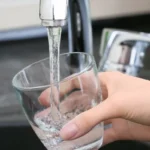
Queens gets its water from a huge system of reservoirs and lakes in upstate New York’s countryside surroundings. This water is filtered and screened before it’s distributed to Queens’ citizens and it’s never unsafe to drink or use.
But water quality is also subject to fluctuations, and sometimes drastic ones, within the borough. Depending on local plumbing (age and state), or being close to sources of contamination, water from the tap might not be as good.
Water Quality and Public Health
The foundation of good public health is clean, wholesome water. Evaporated water is disease-causing and dangerous to your health. The result is water quality that directly impacts the lives and health of Queens’ residents.
It’s something the city has invested in water treatment and testing to avoid. But residents are also the lifeblood of water quality. If residents take care to eliminate waste, cut back on chemicals, and report any problems, Queens’ residents can preserve their collective water supply.
The Role of Water in Cultural Practices
Water is not just for drinking and showering in Queens. And it’s part of all kinds of culture and religion. We don’t have enough safe water, from Christian baptisms to Hindu water rituals, for all this to continue.
What’s more, water in most societies is used for cooking meals, for brewing tea, even for the decoration of cultural artefacts. For all of these applications, water quality is important, to the safety, flavour and authenticity of these cultural activities.
Water Quality and Local Businesses
Queens businesses, too, depend on water. There is water for cooking and dishwashing at restaurants. Clothes get cleaned well at a launderette relying on it. Even the not-so-distant water industries (think beer) have a stake in the integrity of water.
Local breweries, for example, need great water to make beer, and the type of water will be a key determinant in the final product. That means that Queens’ communities don’t rely on water quality alone – and Queens’ economy too.
What are some examples of community-led initiatives aimed at improving water quality?
Several community-led initiatives and partnerships in Queens are dedicated to improving water quality. These organizations educate the public about water issues, advocate for cleaner water policies, and even engage in direct action, such as organizing clean-up events or installing green infrastructure.
Here are some ways you can contribute to these efforts:
- Stay Informed: Educate yourself about the water issues affecting your community and the larger Queens area.
- Reduce Pollution: Dispose of waste responsibly, and limit your use of chemicals that could contaminate water.
- Get Involved: Join a local organization working to protect water quality, or participate in community clean-up events.
Environmental Justice and Water Quality
There is also a crossroads between water justice and environmental justice. Low-income and communities of colour have historically experienced environmental threats, such as water quality, more heavily. In Queens, this is made more difficult by the fact that the borough is multicultural.
As a part of environmental justice, we should also make sure all communities in Queens have access to clean water. Not only by preventing the contamination from occurring but also by empowering residents with knowledge and tools to help protect their water.
Share this on social media:
Facebook
Twitter
LinkedIn