Copper in Drinking Water: A Matter of Taste and Health
- Published:
- Updated: November 26, 2024
Listen to this article
Summary
Balancing the benefits and risks of copper in drinking water is crucial. Here’s what you need to know:
- Copper, essential for health, can cause health issues in excess.
- High copper levels may lead to gastrointestinal discomfort and liver damage.
- The EPA sets action levels to ensure safe drinking water, but taste and staining issues can occur below these levels.

The taste-health relationship of copper in drinking water is special. Copper is a mineral we need for our body’s proper function, but high levels in drinking water can damage health. Also, copper makes water taste metallic, so it’s less pleasant. It’s imperative that we know the fine line between taste and health related to copper in water, both to ensure the safety and enjoyment of this important resource.
Understanding Copper
Copper is a coppery metal that we must get in order to be healthy. It is necessary for red blood cell production and also for nerve cells and the immune system. But, like everything, it is in the middle – too little copper can be bad, and too much can be toxic.
Copper can get into drinking water via copper pipe and fittings corroding. Depending on water’s acidity, temperature and the length of time it remains in the pipes, copper concentration will differ from water to water. Make sure you are aware of this, if you live in a copper plumbing house.
What are the potential health effects of copper exposure through drinking water?

Copper is a micronutrient – that is, we need it in small quantities. It makes bones, nerves and red blood cells. But if you drink water with high copper levels, the health effects can be disastrous. These include:
Stomach cramps and gastrointestinal distress
Fatigue and weakness
Kidney failure in advanced stages.
Children, pregnant women and those with Wilson’s disease – a genetic condition that accumulates copper in organs – should be particularly careful, since they are particularly at risk for copper poisoning.
Taste Implications of Copper in Drinking Water
Beyond health effects, copper can have a negative impact on the look of the water we drink. High concentrations of copper stain water and stain fixtures and laundry.
Copper taste limit in water varies from person to person, but it is normally 1.3 milligrams per litre. If your water has a metallic taste or a bluish-green tint to it, that’s copper.
Acceptable Copper Levels in Drinking Water
What then is a ‘safe’ amount of copper in water? A 1.3 milligrams per liter action level has been assigned for copper by the US Environmental Protection Agency (EPA). The greater copper concentration is, the more water suppliers have to do to bring it down.
This limit is to safeguard against the toxic impacts of copper. But some people have taste and stain problems at levels below this.
Detecting Copper in Drinking Water
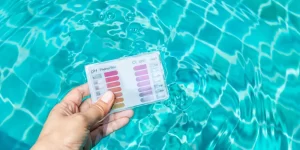
If you’re concerned about copper in your drinking water, you can have your water tested. Many companies provide home test kits, or you can hire a professional to do the testing.
It’s generally a good idea to test your water if:
- Your house has copper pipes and your water is acidic
- You notice a metallic taste in your water or blue-green stains on your fixtures
Case Studies of Copper Contamination in Drinking Water
You taste a metallic taste in your water or blue-green marks on your fixtures.
Detailed Examples of Copper Deposition in Drinking Water Case Studies.
Drinking water is poisoned with copper on a global scale. One case was in a US town where copper levels were above the EPA’s action level due to copper pipe corrosion. The problem brought with it both medical and aesthetic problems such as a metallic taste and spotting.
Another Australian city was in the same spot, after copper in some households had gone above recommended limits. This event set off a national review of the town’s water system and plumbing materials.
What are effective methods to reduce copper levels in drinking water?
If your water has excessive copper in it, here are a few things you can do to lower it:
Flush your pipes: If your water has been sitting in your pipes for hours, run it for 1 minute or so before drinking or cooking.
Drink with ice water: Cold water dissolves copper better than hot water. Drink cold water and cook in it.
Remineralize your water: Install a water treatment system certified to remove copper. Keep the device in the correct condition as per the instructions from the manufacturer so that it functions effectively.
Keep in mind, if you’re suffering from illnesses and you think that they’re related to copper in your water, talk to your doctor.
The Future of Copper Regulation in Drinking Water
In the future, it’s likely that stricter regulations are coming to guard against copper in water. It’s not just the levels of action but the testing protocols that policymakers are considering.
Moreover, new materials and technologies are being researched in order to prevent copper leaching in pipes. That means corrosion resistant materials and special coatings.
Share this on social media:
Facebook
Twitter
LinkedIn

Related Posts