Dire Water Situation in El Salvador
- Published:
- Updated: November 26, 2024
Listen to this article
Summary
The dire water situation in El Salvador has reached critical levels, with severe droughts and inadequate infrastructure exacerbating the issue. Communities face rationing and unreliable supply, leading to health risks and economic hardships. Urgent measures and international cooperation are needed.
- Geography and Climate Challenges: El Salvador’s geography and climate, with hilly terrain and distinct wet and dry seasons, complicate water management.
- Water Scarcity: Rapid urbanization and population growth intensify the demand for water, particularly affecting rural areas where reliable access is lacking.
- Agricultural Impact: Water-intensive farming practices and pollution from agriculture contribute significantly to the crisis.
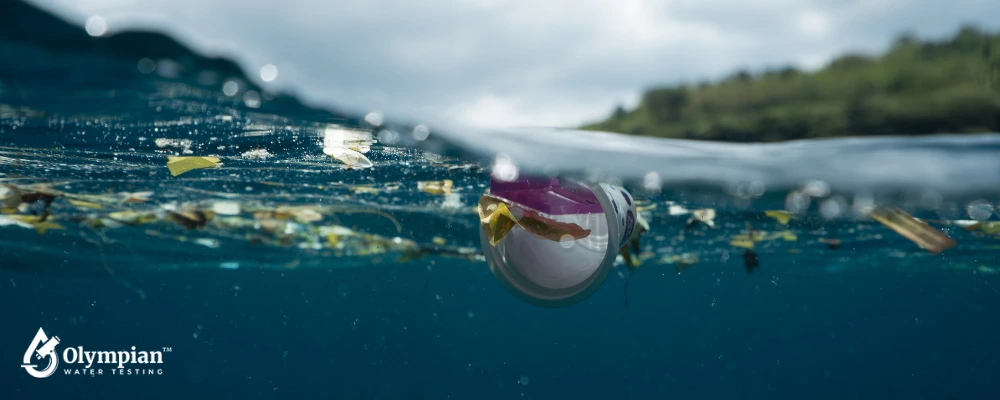
El Salvador’s water situation is so bad it is already on a downward trajectory, an emergency for its population and environment. Deep droughts, insufficient infrastructure and water-related waste have made millions of Salvadorans lacking clean and accessible water. Communities are living with the reality of rationing and intermittent water supply, with a consequent increase in disease and poverty. Only extreme action and global collaboration can change that, and secure El Salvador a long water future.
El Salvador's Geography and Climate
El Salvador is a country in Central America, full of beauty – from mountain and volcano to beach. But the land and climate are so varied, managing water is challenging. As a tropical country with separate wet and dry seasons, El Salvador gets extreme rainfall and then long dry spells. It is this pattern, and the country’s hilliness, that makes water storage and delivery tricky.
Water Scarcity in El Salvador

Water in El Salvador is short on the mark. As cities are becoming more dense and populations rise, the water demand is growing. And that, combined with the country’s geography and climate, has meant that many Salvadorans don’t have reliable access to clean water. The situation is even worse in the countryside where people tend to depend on wells or streams that may dry out in the long dry season. This dearth has resonant consequences for health, farming and life quality.
Impact of Agriculture on Water Resources
The El Salvador water shortage is also heavily linked to agriculture. Because agriculture is the economy of the nation, it takes up much of the water resources. But a lot of agriculture in El Salvador – especially high-water-demanding crops and older irrigation systems – exhausts water supplies. Agricultural activities also pollute water by fertilisers and pesticides that pollute rivers and groundwater.
Water Quality Issues
Alongside deprivation, water quality is a serious problem in El Salvador. Industry, unmanaged wastes and agricultural run-off all pollute the nation’s waterways. Most of these rivers and streams are strewn with heavy metals, chemicals and untreated sewage that cannot be used to drink or for irrigation. Groundwater, which is the primary source of water for most people, is also at risk of these pollutants.
Health Implications of Water Scarcity and Contamination
The consequences of water scarcity and contamination in El Salvador are far-reaching, particularly when it comes to public health. Lack of access to clean water can lead to a host of health issues, including:
- Dehydration and related illnesses, particularly during the dry season
- Waterborne diseases such as cholera, typhoid, and dysentery, resulting from the consumption of contaminated water
- Chronic health problems associated with exposure to contaminated water, such as kidney disease and various forms of cancer
These health risks disproportionately affect the most vulnerable populations, including children, the elderly, and those living in poverty.
The Role of Government and Policy
Salvadoran government manages its water resources well. But opponents say that public policies have in fact failed to solve the water crisis. Whether it was investment failures in water infrastructure, lack of regulation of industrial and agricultural pollutants, or non-enforcement of existing environmental laws – everything led to this situation. But there are also encouraging developments – the current policy discussions centre around water management reform and investment in green water.
Community Response and Resilience
Even in the worst of the water crisis, communities across El Salvador are resilient. Farmers and small-scale businesses are developing water systems including rainwater collection and sustainable irrigation. Such initiatives show that even in extreme situations communities can play a significant role in the water crisis.
Solutions and Future Prospects
The future There are a few ways El Salvador might overcome the water shortage. These include:
Investment in Water Infrastructure: To purchase water infrastructure, such as storage and distribution system to increase access to clean water, especially in the rural areas.
Sustainable Farming: To encourage water conservation measures such as irrigation, using organic fertilisers, etc, in the farming process to minimize water use and soil contamination.
Policy Change: Ensuring that environmental regulations and enforcement are robust enough to defend water bodies against industrial and agricultural pollution.
Local Support: Promoting local grassroots projects and local cooperatives that are striving for sustainable water.
The water crisis in El Salvador is terrible, but it’s not intractable. Leveraging Salvadoran communities’ resilience and creativity, targeted investment and policy change, a path to a cleaner water future for the country can be mapped.
Share this on social media:
Facebook
Twitter
LinkedIn

Related Posts