Why Water Testing Matters for Environmental Restoration and Protection
- Published:
- Updated: July 6, 2025
Listen to this article
Summary
Water testing is pivotal for safeguarding the environment and ensuring its restoration. Key points include:
- Identifying pollutants and contaminants in water.
- Assessing risks to human health and the environment.
- Monitoring changes in water quality over time.

Water is a key part of the world. It is valuable for life and hosts many forests, rivers, lakes and wetlands. Restoring water quality is essential to the health and livelihoods of these ecosystems and the people who rely on them. Home water testing services are a necessity for us to know the state of our water systems and fix them.
Benefits of Water Testing

Water testing is one tool we can use to understand the health of our water supply. It allows us to:
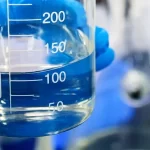
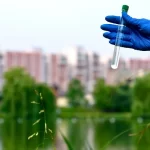
Find out contaminants and contaminants in water: The test on water measures the presence and concentration of specific contaminants and pollutants and informs the user of potential risks to the environment and human life.
Confirm the amount of pollutants and contaminants: By checking the amount of pollutants and contaminants, water testing can tell you the amount of threat it represents to people and the environment.
Assessment of risk pollutants and contaminants may have on the environment and people: Assessing the risk pollutants and contaminants may have on the environment and people is a valuable piece of information to consider when making environmental policy and decision.
Assess the effectiveness of water treatment and management practices: Water testing measures over time the changes in water quality that can be used to assess the effectiveness of water treatment and management techniques, as well as to determine what is doing well and what needs to be improved.
Watch for seasonal variation in water quality: Monitoring seasonal variation in water quality provides water testing with trends and patterns for environmental water testing policy and decision making.
Help guide environmental policy and decisions: By reporting meaningful data about water quality, water testing guides environmental policy and decision-making and ensures our water is saved and managed for future generations.
Different Types of Water Tests

Tests for water quality is an important part of the process. Tests for measuring water quality can be of different types like physical, chemical, biological, and toxicity tests. Physical tests evaluate the physical properties of water such as temperature, pH, conductivity – telling you how healthy the water is, and if it’s full of pollutants and contaminants. Chemical tests, on the other hand, quantify the amount of a certain chemical in water, like nitrogen, phosphorus and heavy metals, and tell you how toxic it might be to health and the environment.
Tests by biology quantify the level and density of microbes, such as bacteria and algae, in water, so that we know how well the water is functioning and whether or not it is susceptible to disease. Toxicity tests assess how contaminants and pollutants harm aquatic life, and give the environmental effect of those contaminants. These analyses are important for water treatment and disposal processes.
The Role of Water Testing in Environmental Policy and Decision-Making

Water testing is an integral part of environmental policy and planning. It gives you the data to:
Create and apply sound water resource management policies: Water testing provides data on pollutants and contaminants, and its concentration, that help shape water resource management policies that will protect and restore water quality.
Measure water treatment and management efficiency: Water testing is useful in measuring the improvement in water quality over time to assess how water treatment and management efficiency, and which areas are in need of improvement.
Decisions about water allocation and use: Water testing provides crucial data about water quality, which allows for more educated choices in water resource use and allocation, and it also makes sure our water resources are used sustainably and responsibly.
Identify problems and take action to preserve and repair water quality: Through the discovery of issues and the risks of pollutants and contaminants, water testing will focus the action to preserve and restore water quality and protect our water resources so they can be saved and conserved for the future.
Challenges and Limitations of Water Testing
Water testing is critical but it is not without problems and limitations. It may be very expensive and not enough to run tests. Time spent on testing (particularly complicated tests) can also make it impossible to react immediately to fluctuations in water quality. Water testing can also be inaccessible in isolated locations, which might be a disadvantage to getting the water quality right. The results might be affected by other variables such as the type of test or the quality of the instruments and materials, which could make the results inconsistent.
Water test results need to be interpreted by professionals with expertise in and technical know-how of the science and technology of water testing, thereby preventing the use of the results in environmental policy and decision-making. Water testing is still a tool for environmental restoration and protection, though, in the face of these issues. You have to purchase good equipment and supplies, educate water test engineers, and establish strict quality control and quality assurance procedures to make sure you are using the correct and safe water.
What are the Factors Affecting Water Quality?

Water quality can be affected by land use, climate change, human activity and natural phenomena. Agriculture, forestry and urban development all introduce pollutants and contaminants to waterways. Climate change can also change precipitation, the incidence and intensity of extreme weather events, water temperature and flow, all of which can have impacts on water quality.
Things such as industrial waste and sewage discharges can leach chemicals and contaminants into water. The physical, chemical and biological properties of water can be changed by natural processes such as erosion, sedimentation and biodegradation. These water quality factors are essential to managing and preserving our water resources.
Best Practices for Water Testing
Water testing should be done according to industry best practices to keep the testing of water as efficient and effective as possible. Among these best practices are use of quality equipment and materials, professional training and support of water testing professionals, and the creation and implementation of control and quality procedures. With the highest grade of equipment and materials used, the water test result is precise and reliable.
Instructing and equipping water testing professionals ensures that testing is done properly and consistently and that the results are taken into account. There should be quality control and quality assurance processes in place to ensure that water tests are carried out consistently and efficiently, and results are valid and consistent. We can do these best practices, which will leave our water in safe hands and preserved for posterity.
Share this on social media:
Facebook
Twitter
LinkedIn

Related Posts