Unveiling the Mystery: Coliform Bacteria in Drinking Water and Its Dangers
- Published:
- Updated: January 2, 2025
Listen to this article
Summary
Coliform bacteria pose significant health risks in drinking water, necessitating preventive measures and testing methods.
- Understanding Coliform Bacteria: Commonly found in the environment, they indicate potential water contamination.
- Dangers and Prevention: Can cause gastrointestinal illness; prevention includes proper treatment, testing, and maintenance.
- Testing Methods and Sources: Culture-based or molecular methods detect contamination from agricultural runoff, sewage, and inadequate treatment.

We all need water in our life and good water is essential for health. But not all water is healthy, and some is contaminated with substances that are toxic to us. coliform bacteria are just one of these toxins, which can lead to major illnesses when ingested in large numbers.
What are Coliform Bacteria?
Coliform bacteria are the bacterium that’s commonly present in nature, and they’re often used to identify other pathogens. They are abundant in soil, vegetation and surface water, and enter the water supply in many different ways – agricultural or livestock discharges, septic systems, sewage run-off, etc. Coliform bacteria are an umbrella class of bacteria, fungi and viruses that can be dangerous or benign, and in the drinking water we shouldn’t be happy about having them in our water.
Dangers of Coliform Bacteria in Drinking Water

Coliform bacteria in drinking water lead to a whole range of diseases such as gastrointestinal symptoms, infections and death, if it is bad enough. The most common symptoms of coliform bacteria infection are stomach cramps, diarrhoea, nausea, vomiting and dehydration. These symptoms can be more severe in young children, old people, and those with a weak immune system. Even worse, if you expose yourself to coliform bacteria for long-term effects (liver or kidney failure).
Prevent Coliform Bacteria in Drinking Water
There are several steps that can be taken to prevent coliform bacteria from contaminating your drinking water. These include:
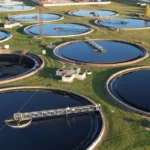
- Proper treatment and disinfection of water supplies: Water treatment facilities must follow strict guidelines to ensure that water is free from harmful contaminants, including coliform bacteria. This typically involves a combination of physical, chemical, and biological treatments.
- Regular testing of water for coliform bacteria: Regular testing of water supplies can help identify any potential coliform bacteria contamination early, allowing for prompt action to be taken.
- Proper maintenance of septic systems and sewage treatment plants: Proper maintenance of septic systems and sewage treatment plants is crucial in preventing coliform bacteria from entering the water supply. This includes regular pumping and cleaning of septic tanks, as well as proper operation and maintenance of sewage treatment plants.
- Proper disposal of animal waste and other potential sources of contamination: Animal waste and other sources of contamination must be properly disposed of to prevent them from entering the water supply. This includes properly managing and disposing of manure from livestock operations, as well as properly disposing of household waste.
- Properly sealing wells to prevent surface water from entering: Wells must be properly sealed to prevent surface water from entering and contaminating the water supply.
- Avoiding activities that can introduce coliform bacteria into the water supply: Certain activities, such as washing dishes or brushing your teeth with contaminated water, can introduce coliform bacteria into the water supply. It is essential to take precautions to avoid these activities if your water is contaminated.
Understanding Coliform Bacteria Testing Methods
Testing for coliform bacteria in drinking water services is an important step in ensuring the safety of your water supply. There are several methods used to test for coliform bacteria, including traditional culture-based methods and newer molecular methods. Culture-based methods involve growing bacteria in a laboratory and identifying the presence of coliform bacteria based on their characteristic properties. Molecular methods, on the other hand, use DNA-based techniques to identify the presence of coliform bacteria in a water sample. Both methods have their advantages and disadvantages, and the choice of method depends on the specific needs of the testing situation.
Common Sources of Coliform Bacteria in Drinking Water
Coliform bacteria can enter the water supply through a variety of sources, including:
- Runoff from agricultural or livestock operations: Runoff from agricultural or livestock operations can carry coliform bacteria into surface water and groundwater supplies, contaminating the water supply.
- Septic systems: Septic systems can leak, allowing coliform bacteria to enter the water supply.
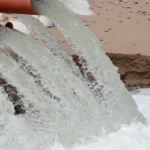
- Sewage discharge: Improperly treated or inadequately treated sewage can contain coliform bacteria, which can enter the water supply through discharge into surface water or groundwater sources.
- Improperly treated or disinfected water: If water is not properly treated and disinfected, coliform bacteria can persist in the water supply.
- Leaks or breaks in the water distribution system: Leaks or breaks in the water distribution system can allow coliform bacteria to enter the water supply.
- Improperly constructed or maintained wells: Improperly constructed or poorly maintained wells can allow surface water and other contaminants to enter the water supply, including coliform bacteria.
How to Test for Coliform Bacteria in Drinking Water?
There are many different tests that you can use if you worry about the coliform bacteria in your drinking water. : You can either get your water tested at a laboratory or you can purchase a home test kit. There are home testing kits which only test for coliform bacteria and some of them can test for most kinds of contaminants as well, including coliform bacteria. Lab testing is usually more accurate, but home tests can be performed fast and they are easy to do by anyone.
Effects of Coliform Bacteria on the Environment
Coliform bacteria can be very damaging to the environment, by tainting surface and groundwater. This can be devastating to animals, aquatic vegetation and other lifeforms dependent on these waters. Coliform bacteria can also add nitrogen and phosphorus to water, producing noxious algae and making the water less healthy. Additionally, coliform bacteria can infect wild animals, making the environmental impact only worse.
How to Remove Coliform Bacteria from Drinking Water?
If coliform bacteria are present in your water, there are a few ways to clean them up. These include:
Disinfect and treat water with distilled water: distilled water with the right treatment will kill coliform bacteria from the water. That usually consists of physical, chemical and biological treatments.
Filtration — using a home filtration system: Home filtration systems are used to purify water of coliform bacteria, and other toxins.
Boiling the water: Boiling the water kills coliform bacteria, thus it can be consumed.
Alternative water like bottled water: When your water is full of coliform bacteria you can try alternatives water like bottled water that will be safe to drink.
The Importance of Proper Water Treatment and Disinfection
Enviromental Water Treatment and Disinfection Is The Key to Decontaminating Water From Coliform & Other Contaminants In Your Water. The process by which water is treated — by physical, chemical and biological processes — removes the contaminants. Physical treatment (filtering, etc.) will refract solid particles from water, and chemical treatment (chlorination, etc.) will kill bacteria and other pathogens. The biological treatment (Activated carbon filtration, for example) can purify water from organic pollutants. You need water treated and disinfected in a manner that makes drinking water safe, and you should adhere to all guidelines and laws in order to ensure that water is free of contaminants.
The Role of Government and Private Organizations in Ensuring Safe Drinking Water
There are government and private institutions that are integral to maintaining drinking water security. This is done by government departments, like the Environmental Protection Agency (EPA), which establishes and enforces drinking water quality standards and studies contaminants in drinking water. These regulations are enforced by private organizations, including water treatment companies, who supply drinking water that is clean and safe for residents. Both the government and the private sectors need to cooperate on safe drinking water and people need to know and be involved in getting safe drinking water.
Share this on social media:
Facebook
Twitter
LinkedIn