Unearthing the Benefits of Regular Water Testing in Healthcare
- Published:
- Updated: November 26, 2024
Listen to this article
Summary
The recommended frequency of testing varies, but it’s generally advised to test at least annually. Common contaminants include bacteria, viruses, chemicals, and minerals, which can be harmful to patients and equipment. Testing methods include chemical, physical, and biological analyses.
If contaminants are detected, prompt action is essential, including fixing the source of contamination and providing alternative water sources if needed. Regular testing ensures a safe and reliable water supply for healthcare facilities, benefiting patients, staff, and the facility’s reputation.

Water is a basic necessity in the healthcare sector, for cleaning, sterilizing and hydrating patients of all kinds. As water needs rise in hospitals and other healthcare facilities, water quality and safety must be maintained. New York water testing is a necessary aspect of the safe water supply, and it can be useful for medical offices for many reasons.
Why is water testing important in healthcare settings?
Water testing services are important in healthcare settings because it helps to prevent the spread of waterborne diseases and infections. In healthcare facilities, patients with weakened immune systems are at a higher risk of contracting illnesses from contaminated water. Regular water testing helps to identify any potential health hazards and allows for prompt action to be taken to prevent the spread of disease.
What are the benefits of regular water testing in healthcare settings?

Waterborne diseases: By testing the water periodically you will be able to prevent the waterborne diseases because the contamination and pathogens are there in the water. It’s fast so that we can get the problem resolved, stop the contamination and avoid transmission of disease.
Reducing water waste: Water testing keeps the water quality in check by monitoring for changes in the chemical, physical or biological parameters of the water. This makes sure the water is still clean and good for what it is used for.
Rations compliance: Medical centers in most countries have to follow strict regulations related to water quality. It’s important to test water regularly to make sure these regulations are followed and that the facility is up to date.
Safeguarding equipment: Periodic water testing guards the equipment in hospitals by identifying any equipment damage that may occur due to contaminants in the water supply. This makes sure the equipment does not wear out and needs repairs or replacements more frequently.
Cost Effective: Routine water testing saves time and money because it can catch a problem before it’s too late and too expensive to correct. This keeps the facility in good working order and saves you on expensive repairs or replacements.
Better patient outcomes Water testing regularly can help with patient outcomes by preventing waterborne diseases and infections. This is a way to give patients the highest quality care and prevent complications or side effects.
Improve reputation: Water testing regularly will make a healthcare facility’s reputation good and show that they take care of patients safely and properly. This leads to more patients and can make the hospital a lot more successful.
Safety: Regular water testing gives the patient, family and healthcare workers safety to know that the water source is not contaminated and always tested regularly. And it makes sure that everybody is safe from bad water and can have confidence in it.
Recommended frequency of water testing in healthcare settings
The frequency of water testing in hospitals varies based on the source of water and the laws in effect. On average, the water supply should be tested every year or more often if you must. Test the water supply more often if a leak is found, until the leak is addressed.
Common contaminants found in healthcare water
Some of the common contaminants found in healthcare water include bacteria, viruses, chemicals, and minerals. Bacteria and viruses can cause waterborne diseases and infections, while chemicals and minerals can cause damage to equipment and affect the quality of the water.
- Bacteria: Bacteria, such as Escherichia coli (E. coli) and Legionella pneumophila, are commonly found in healthcare water. These bacteria can cause serious illnesses, such as urinary tract infections, pneumonia, and sepsis.
- Viruses: Viruses, such as norovirus and hepatitis A, can also be found in healthcare water. These viruses can cause illnesses, such as gastroenteritis and liver disease.
- Chemicals: Chemicals, such as chlorine and disinfection byproducts, can also be found in healthcare water. These chemicals can cause irritation and damage to the skin and respiratory system, as well as damage to equipment.
- Minerals: Minerals, such as iron and magnesium, can also be found in healthcare water. These minerals can cause staining and buildup in pipes and equipment, affecting the quality of the water.
Procedures for Testing Water Quality in Healthcare Settings
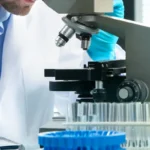
Several ways that water is analysed in hospitals are: chemical, physical and biological. It’s called chemical analysis and the water is analyzed for chemicals like chlorine and nitrates to check whether the water is good or bad. Physical testing, is testing the water for physical qualities like temperature and pH, to see if it is usable. Biological analysis checks the water for bacteria and viruses, to be sure it is safe.
What should healthcare facilities do if contaminants are found in the water supply?
If there are contaminants in the water supply, hospitals and medical centres need to do something about it immediately. This could mean repairing the cause of the contamination (repair a burst pipe, fix a leak in the water treatment plant). if the contamination is bad enough you may have to shut off the water supply and provide backup water until it’s gone.
Share this on social media:
Facebook
Twitter
LinkedIn

Related Posts