The Importance of Clean and Healthy Hydration: The Benefits of Filtering Tap Water
- Published:
- Updated: January 2, 2025
Listen to this article
Summary
The importance of clean and healthy hydration cannot be overstated, as it is vital for maintaining overall well-being. Filtering tap water enhances its quality, offering numerous health and environmental benefits. It removes contaminants, improves taste, and encourages consistent hydration. This sustainable practice reduces waste, is cost-effective, and helps mitigate the environmental impact of plastic bottled water. Various types of water filters are available, each with its own advantages. Regular water testing is crucial to ensure safety and preserve aquatic ecosystems. Cooperation among governments, corporations, and individuals is essential to ensure clean and healthy hydration for all.

There is no overstatement when it comes to the importance of clean and healthy hydration as it is essential for our overall health. You do more than just improve the quality of your tap water – you have many health and environmental advantages as well. Filtered water removes toxins and boosts taste so that you can drink it consistently and live sustainably.
What is Clean and Healthy Hydration?
Healthy and clean hydration is water that does not contain any pollutants, contaminants, or other substances that can be injurious to human health. Hygienic hydration is very important for a healthy body to operate at full capacity – for its digestion, metabolism and blood flow. Dehydrated people can lead to fatigue, headaches and dry skin. But it’s not just a matter of drinking enough water – you need clean and healthy water too.
Drink water that is a safe drinking water free from contaminants and pollutants such as heavy metals, chemicals and bacteria to keep you healthy. They can have a host of adverse effects on humans, such as putting us at risk for disease and disease. Filtering tap water is a great way to make sure you are getting clean and healthy water at all times, and there are many other benefits to it which we’ll talk about in more detail below.
The Benefits of Filtering Tap Water

Filtering tap water is an effective way to ensure that the water you drink is clean and healthy, and it provides numerous benefits, including:
- Improved Health: Filtering tap water can remove harmful contaminants and pollutants, such as heavy metals and chemicals, which can be harmful to human health. By drinking clean and healthy water, you can help to reduce the risk of illness and disease. In addition, some contaminants can affect the taste, odor, and appearance of water, making it less appealing to drink. Filtering tap water can help to improve the taste of the water, making it more enjoyable to drink.
- Reduced Waste: Filtering tap water can also help to reduce waste, as it eliminates the need for plastic bottled water, which contributes to plastic pollution and waste. Plastic bottled water is not only harmful to the environment, but it can also be expensive and time-consuming to purchase. By filtering tap water, you can have access to clean and healthy water whenever you need it, without the need for plastic bottles.
- Cost-Effective: Filtering tap water can also be a cost-effective solution, as it eliminates the need for expensive bottled water. Additionally, many water filters are designed to last for several months, making them a cost-effective solution in the long-term.
The Environmental Impact of Plastic Bottled Water
The production and disposal of plastic bottled water has a significant impact on the environment, including greenhouse gas emissions, water use, and litter. The production of plastic bottles requires large amounts of energy and resources, and the process releases greenhouse gases into the atmosphere. Additionally, plastic bottles are often not properly recycled, leading to litter in our oceans and waterways.
The use of reusable water bottles and filtering tap water is a more sustainable and environmentally-friendly alternative to plastic bottled water. Not only does it reduce the amount of plastic waste in our environment, but it also reduces the energy and resources required to produce and transport bottled water. By making a conscious effort to reduce our use of plastic bottled water, we can help protect our environment and reduce our carbon footprint.
What are the Different Types of Water Filters?
There are several different types of water filters available, each with their own unique benefits and drawbacks. Some of the most common types of water filters include:
- Carbon Filters: Carbon filters are one of the most common types of water filters and are designed to remove contaminants and pollutants, such as chlorine and heavy metals, by adsorbing them onto the filter’s surface. Carbon filters are a cost-effective solution and are easy to install and maintain. However, they may not be as effective at removing certain contaminants and pollutants, such as bacteria and chemicals.
- Reverse Osmosis Filters: Reverse osmosis filters are designed to remove a wide range of contaminants and pollutants, including chemicals, heavy metals, and bacteria, by forcing water through a semi-permeable membrane. Reverse osmosis filters are highly effective at removing contaminants, but they can also remove beneficial minerals from the water, such as calcium and magnesium. Additionally, reverse osmosis filters are more complex to install and maintain, and they can be expensive.
- Ultraviolet Filters: Ultraviolet filters use UV light to kill bacteria and other microorganisms, making the water safe to drink. UV filters are effective at removing bacteria and other microorganisms, but they do not remove other contaminants, such as chemicals and heavy metals.
- Ceramic Filters: Ceramic filters are made of ceramic material and are designed to remove contaminants and pollutants by trapping them in the filter’s pores. Ceramic filters are effective at removing a range of contaminants, including bacteria and chemicals, but they can be more expensive and difficult to install and maintain.
The Importance of Regular Water Testing
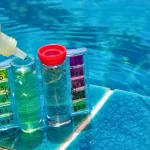
Having regular water tests can help make sure that the water we consume is safe and clean of contaminants and pollutants. Whether it is potential health risks — from bacteria to chemicals — water testing can also reveal any possible water treatment system issues — from leaks to malfunctioning equipment.
We can also rely on regular water testing to keep our aquatic environments healthy over time, for many species and for the planet as a whole. We can keep a close eye on water quality so we can see where and how problems might arise, and make sure that our aquatic environments are not destroyed.
Ensuring Clean and Healthy Hydration for All
Making sure we have access to safe and healthy drinking water is the work of all — and the work of governments, companies and individuals. State governments are also responsible for monitoring water quality and keeping water treatment plants clean and functional. The corporate obligation is also to keep the water they sell safe and humanely usable. Also, people can also reduce their environmental footprint and water quality by using less plastic bottled water and properly disposing of hazardous waste.
Share this on social media:
Facebook
Twitter
LinkedIn

Related Posts