The Impact of Poor Water Quality on Marine Biodiversity Decline
- Published:
- Updated: December 16, 2024
Listen to this article
Summary
Poor water quality threatens marine biodiversity, leading to reduced reproductive success, decreased oxygen levels, and disruptions to ecosystems.
- Pollution sources include agriculture, sewage, and industrial waste, causing harm to marine species and altering ecosystem balance.
- Mitigation strategies involve improving water treatment, regulating pollution sources, promoting sustainable fishing, reducing plastic pollution, and protecting critical habitats.
- Climate change exacerbates poor water quality, impacting oxygen levels and increasing toxicity, with economic repercussions on fishing yields, tourism, and property values. Citizen action plays a crucial role in advocating for better water treatment and pollution regulations to protect marine biodiversity.

Seabird mortality is a climate emergency that has implications for the health of our oceans and for the fragile ecosystems we live in. Much of the reason for this is that the water in these places is getting increasingly bad. Industrial, agricultural and domestic pollution increased harmful chemicals, altering the chemistry of marine environments. Thus the impact of poor water quality on marine life has become a priority research and conservation issue.
What is Poor Water Quality?
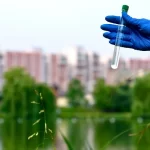
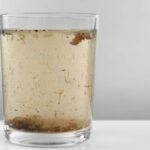
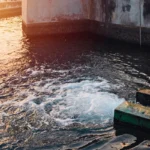
Water of poor quality is water that is high in contaminants and other substances that can be damaging to the marine life and marine environments they live in. These contaminants can be from agricultural runoff, sewage discharge and industrial solid waste.
Bad water can have adverse effects on marine animals such as diminished oxygen levels, toxicity and decreased reproductive success. In the worst cases, insufficient water quality can kill entire marine species, with ramifications for the oceans and the species within them.
The Impacts of Poor Water Quality on Marine Biodiversity

The impacts of poor water quality on marine biodiversity can be both direct and indirect. Direct impacts occur when pollutants directly harm individual species or populations, while indirect impacts occur when pollutants alter the balance of the ecosystem and disrupt the relationships between species.
Some of the most significant impacts of poor water quality on marine biodiversity include:
- Reduced Reproductive Success: Poor water quality can reduce the reproductive success of marine species by interfering with their hormones, causing birth defects, and reducing their ability to produce healthy offspring. This can have serious consequences for the survival of populations and the future of marine biodiversity.
- Decreased Oxygen Levels: Poor water quality can lead to decreased oxygen levels in the water, which can harm or kill marine species that need oxygen to survive. This is particularly true for species like fish and crustaceans that need to swim to the surface to get air.
- Increased Toxicity: Poor water quality can increase the toxicity of the water, making it harmful to marine life. This can happen when pollutants like heavy metals, oil spills, and pesticides enter the water and are absorbed by the marine species that live there.
- Disruptions to the Ecosystem: Poor water quality can disrupt the balance of the ecosystem by altering the relationships between species. For example, increased nutrients in the water can lead to the growth of harmful algae blooms, which can reduce the amount of light and oxygen available to other species. This can lead to the decline of other species and a reduction in biodiversity.
How Can We Mitigate the Impact of Poor Water Quality on Marine Biodiversity?
There are many steps that can be taken to mitigate the impact of poor water quality on marine biodiversity, including:
- Improving Water Treatment: Improving the treatment of wastewater and other pollutants before they are released into the ocean can help reduce the amount of contaminants in the water and improve its quality. This can include upgrading treatment facilities, implementing best management practices, and using natural systems like wetlands to treat wastewater.
- Regulating Pollution Sources: Implementing regulations that limit the amount of pollutants that can be released into the ocean can help reduce the impact of poor water quality on marine biodiversity. This can include regulations on agriculture, industrial waste, and sewage discharge.
- Encouraging Sustainable Fishing Practices: Overfishing is one of the major threats to marine biodiversity, and sustainable fishing practices can help reduce its impact. This can include implementing catch limits, protecting critical habitats, and reducing by catch.
- Reducing Plastic Pollution: Plastic pollution is a major problem for the oceans and marine life, and reducing the amount of plastic that ends up in the ocean can help improve water quality and protect marine biodiversity. This can include reducing plastic usage, improving waste management practices, and cleaning up plastic that has already entered the ocean.
- Protecting Critical Habitats: Protecting critical habitats like coral reefs, mangroves, and seagrass beds can help preserve the species that depend on these habitats and improve water quality by filtering pollutants and providing habitat for fish and other species.
The Role of Climate Change in Poor Water Quality
The world’s oceans are affected – by climate change – and the water is no exception. Temperatures are increasing, skewing the ocean more so that it doesn’t mix more with deeper waters, or transport nutrients and oxygen. This could result in low oxygen levels, toxic increase and more for marine life. Additionally, sea level rise and more storms can produce more land runoff that spills out to the ocean bringing pollutants with it, which worsens water quality.
The Economic Impacts of Poor Water Quality on Marine Biodiversity
Loss of marine life as a result of degraded water quality can have much wider economic consequences, such as lost fishing catch, lost tourism, and lost coastal real estate values. Moreover, when marine life disappears, many of the ecosystem services it provides – cleaning pollutants, creating oxygen, feeding us – can be destroyed. These impacts can be severe economically, for the local community and the global economy.
The Importance of Citizen Action in Protecting Marine Biodiversity
Small things make the most difference to the wellbeing of the oceans and the organisms that inhabit them. It’s simple as being less plastic, fishing sustainably, and urging stricter water treatment and pollution standards that marine life can be preserved and water quality improved. Moreover, funding organisations that are working to protect the oceans and the people living on them can make the oceans and species that live there a priority of policy and decision-making.
Share this on social media:
Facebook
Twitter
LinkedIn

Related Posts