The Crucial Role of Water Quality in Emergencies and Disaster Relief
- Published:
- Updated: December 16, 2024
Listen to this article
Summary
During emergencies and disasters, ensuring access to clean water is paramount for survival. Here’s why water quality matters and how to address it:
- Contaminated water can spread disease and worsen crises.
- Steps include assessing water sources, treating water with methods like boiling or filtration, and educating communities.
- Governments and NGOs play crucial roles in providing resources and implementing solutions to ensure safe drinking water for all.

In times of emergency and disaster, clean and safe water is the difference between life and death. This includes the health and welfare of those in need as well as the quantity of water supply. And that is why we must know how water quality relates to disaster and emergency management.
What is the Importance of Water Quality in Emergencies and Disaster Relief?
The alternative water for humans in an emergency or a disaster is streams, rivers and lakes which can be polluted with harmful pollutants. The water if not cleaned and disinfected could be transmitting disease, illness and even death. This is why water quality has to be taken seriously during emergencies and disasters.
How Does Water Quality Affect Emergency Response and Relief Efforts?

The impact of water quality on emergency response and relief operations is multiple. Without treatment and purification of water, disease could spread, further straining already stretched emergency response and relief efforts. Water that is polluted can also have lasting health effects that could make the emergency or disaster all the worse. This is why water quality matters so much in disaster management and relief operations.
Steps to Ensure Safe and Clean Water in Emergencies and Disaster Relief
To ensure that people have access to safe and clean water in emergencies and disaster relief, the following steps must be taken:
- Assess the water source: Before using any source of water, it is important to assess its quality and determine if it is safe for consumption. This can involve testing the water for contaminants or checking its appearance, odor, and taste.
- Treat and purify the water: If the water source is contaminated, it must be treated and purified to remove harmful pollutants and make it safe for consumption. This can involve boiling the water, using chemical treatment, filtering the water, or using solar disinfection.
- Store the water properly: Once the water has been treated and purified, it must be stored properly to prevent contamination. This can involve using clean containers and keeping the water in a cool, dark place.
- Educate people about the importance of safe water: It is important to educate people about the importance of using safe and clean water, as well as the steps they can take to ensure that they have access to it. This can involve providing information on the dangers of contaminated water and the importance of properly treating and purifying water.
Different Methods for Treating and Purifying Water in Emergencies and Disaster Relief
There are several methods for treating and purifying water in emergencies and disaster relief, including:
- Boiling: Boiling is an effective way to kill bacteria and other harmful microorganisms in water. To boil water, it should be heated to a rolling boil for at least one minute.
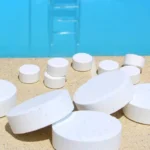
- Chemical treatment: Chemical treatment, such as using chlorine or iodine, can be used to disinfect water and make it safe for consumption. These chemicals can be added to the water and allowed to sit for a certain amount of time before it is safe to drink.
- Filtration: Filtering water through a fine mesh or using a ceramic filter can remove contaminants and make the water safe for consumption. Filters can be purchased or made from materials found in the environment.
- Solar disinfection: Solar disinfection involves exposing water to the sun for several hours, which can kill bacteria and other harmful microorganisms. To use solar disinfection, the water should be placed in a clear container and exposed to direct sunlight for several hours.
The Importance of Providing Safe Drinking Water in Emergencies and Disaster Relief
Safe water is essential for healthy living and disease prevention in the event of an emergency and after a disaster. Not only should emergency response and relief agencies be prepared to provide safe and clean drinking water, but also ready to take the appropriate actions to treat and purify water when such events arise. This can include having the proper machinery and resources, as well as staff who are able to process and filter water.
The Role of Government and Non-Government Organizations in Ensuring Safe Drinking Water
Government and NGOs help to supply drinking water in emergencies and disaster response. Water quality is to be controlled by the government and emergency response and relief services are equipped with the facilities and equipment to filter and treat the water. Charities and aid organisations also contribute to distributing safe drinking water by supplying resources and assistance to affected populations.
What are the Limitations of Water Treatment and Purification Methods in Emergencies and Disaster Relief?
While there are several methods for treating and purifying water in emergencies and disaster relief, each method has its own limitations, including:
- Availability of resources: Some methods, such as boiling, require access to a heat source and fuel, which may not be available in emergencies and disaster relief situations.
- Effectiveness: Different methods may be more or less effective at removing different types of contaminants, so it is important to choose the right method for each situation.
- Time: Some methods, such as solar disinfection, can take several hours to be effective, which may not be feasible in emergency and disaster relief situations where time is of the essence.
- Expertise: Some methods, such as chemical treatment, require a certain level of expertise to be used effectively, which may not be available in emergency and disaster relief situations.
The Future of Water Quality in Emergencies and Disaster Relief
As emergencies and disasters are becoming more frequent and worse, people should be given access to clean, safe drinking water. This could include investing in new technologies and processes for water treatment and filtering, and building partnerships between government, NGOs and communities affected. By partnering, we can make sure that people have access to clean water during emergencies and disaster response.
Share this on social media:
Facebook
Twitter
LinkedIn

Related Posts