The Correlation Between Poor Water Quality and the Transmission of Diseases
- Published:
- Updated: January 2, 2025
Listen to this article
Summary
Poor water quality is closely linked to the transmission of diseases, posing significant public health risks.
- Contaminated water serves as a breeding ground for pathogens, leading to waterborne illnesses like cholera and typhoid.
- Causes of poor water quality include lack of access to safe drinking water, inadequate treatment systems, pollution from agriculture and industry, and natural disasters.
- Government and NGOs play key roles in improving water quality through better treatment systems, pollution reduction measures, and sanitation initiatives, while education and awareness are crucial for empowering communities to protect their health.

Water quality degradation is a global emergency with huge public health consequences, especially in terms of spreading disease. Watersheds are habitats for pathogens that can create reservoirs of infectious disease that can destroy communities. We need to know what’s causing bad water and who’s spreading disease in order to have successful prevention efforts and achieve better global health outcomes.
What are the Risks of Contaminated Water?
Water that is contaminated is a vector for cholera, dysentery, typhoid fever and other waterborne illnesses. These are diseases that can be disastrous for the public health, leading to mortality, chronic illness and disease-spread.
Other issues related to poor water quality include malnutrition as if water is a problem food can’t be consumed. Not only that, but bad water quality can also result in transmission of other diseases, such as malaria and other vector-borne disease because stagnant water becomes a home for these creatures.
The Causes of Poor Water Quality

Poor water quality can be caused by a wide range of factors, including:
- Lack of access to safe drinking water: In many parts of the world, people lack access to safe drinking water, which can lead to the consumption of contaminated water.
- Poor water treatment and distribution systems: In some areas, water treatment and distribution systems are inadequate, which can lead to the contamination of water.
- Agricultural and industrial pollution: Agricultural and industrial activities can pollute water sources, making the water unsafe to drink.
- Natural disasters: Natural disasters, such as floods and hurricanes, can contaminate water sources and increase the risk of waterborne diseases.
- Human waste: In some areas, human waste is not properly managed, which can lead to the contamination of water sources.
The Importance of Safe Drinking Water
Safe drinking water is essential for good health and well-being. Access to safe drinking water can help to reduce the risk of waterborne diseases, improve food safety, and protect public health. Safe drinking water can also help to improve economic opportunities, as it can reduce the burden of disease and increase productivity. Safe drinking water is a basic human need and a fundamental right, yet millions of people around the world still lack access to it.
Improving Water Quality
Improving water quality is essential to protect public health and reduce the risk of waterborne diseases. There are a number of ways to improve water quality, including:
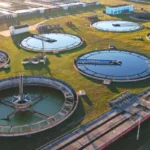
- Improving water treatment and distribution systems: Improving water treatment and distribution systems can help to ensure that water is safe to drink. This can be achieved through the use of better treatment methods, improved distribution systems, and increased investment in water infrastructure.
- Reducing agricultural and industrial pollution: Reducing agricultural and industrial pollution can help to improve water quality and protect public health. This can be achieved through the use of better farming practices, improved industrial processes, and increased regulation of polluting industries.
- Managing human waste: Properly managing human waste can help to reduce the contamination of water sources and protect public health. This can be achieved through the use of improved sanitation systems, better waste management practices, and increased investment in infrastructure.
Providing access to safe drinking water: Providing access to safe drinking water is essential to protect public health and reduce the risk of waterborne diseases. This can be achieved through the provision of safe water sources, improved water treatment and distribution systems, and increased investment in water infrastructure.
The Role of Government and Non-Government Organizations
It is by coordinating between state and non-governmental institutions that water quality and the public health is improved. They can also establish laws and policies that will clean the air and upgrade the water treatment and distribution. The NGOs can help by financing, investing and offering technical knowledge to help water quality maintenance and education on the need for clean water. With this kind of integration, water quality improvement efforts can be better managed and outcomes for public health improved.
The Importance of Education and Awareness
It requires education and awareness to prevent water quality degradation and disease spread. Education about the dangers of contaminated water and drinking water can help people to be more aware of the water they drink and take steps to protect themselves. It also helps increase water quality awareness to generate support for improvement and invest in water infrastructure. Awareness and education can also provide the means for people to take responsibility for a healthier water supply and their health.
The Future of Water Quality and Public Health
Access to clean water and water quality are issues that will remain fundamental to public health long into the future. We will need new technologies, better policies and regulations, and investment in water infrastructure if we are to keep water clean and save people’s lives in the future. Also, education and awareness on the quality of water will be essential in getting people the information and materials to understand how to take care of their water usage and to stay healthy.
Share this on social media:
Facebook
Twitter
LinkedIn

Related Posts