The Benefits of Filtering Tap Water for Optimal Health and Wellness
- Published:
- Updated: December 16, 2024
Listen to this article
Summary
Tap water filtration is crucial for health and wellness, eliminating impurities that can harm the body and environment. Benefits include reduced risk of waterborne diseases, improved taste, and enhanced hydration. Key contaminants include bacteria, chemicals, and heavy metals like lead. Regular maintenance ensures filter effectiveness, while various filter types offer tailored solutions for clean, safe water.

It is possible that water from the tap might be impurities that may cause harm to your health and well-being so it is always advisable to filter your water before using it. There are many advantages to filtration tap water such as preventing the development of waterborne diseases, smelling and tasting better, and staying hydrated. By incorporating water filtration into your daily routine and learning how crucial clean, safe water is for your health and wellness, you’ll be setting yourself up for success.
What are the Contaminants in Tap Water?
It’s possible that your water from the tap is teeming with bacteria, viruses, chemicals and other contaminants. These pollutants can flow into the water supply from a variety of sources such as industrial effluents, agricultural run-off and sewage. Leaching from pipes and other water sources can add contaminants like lead, arsenic, and chlorine to tap water.
Tap water contaminates will cause illnesses like gastrointestinal problems, rashes, and more. And they can be detrimental to the environment too, by damaging marine life and ecosystems. Chronic exposure to some pollutants – for example, lead – also has long-term health consequences, including problems in children’s development and behaviour, and the development of certain cancers.
The Benefits of Filtering Tap Water

Filtering tap water provides numerous benefits for health and wellness, including:
- Removing contaminants: Filtering tap water helps to remove contaminants, such as bacteria, viruses, and chemicals, making it safer for human consumption. By doing so, we can reduce the risk of waterborne diseases and other illnesses. A good water filtration system can remove a wide range of contaminants, including heavy metals, pesticides, and microorganisms, improving the overall quality of tap water.
- Improving water quality: Filtering tap water helps to improve water quality by eliminating impurities and improving the taste, odor, and appearance of water. A good water filtration system can also remove chlorine and other chemicals that are added to tap water during the treatment process, making the water safer and more palatable.
- Supporting a healthy lifestyle: Drinking clean and safe water is an important part of a healthy lifestyle. By filtering tap water, we can ensure that we have access to clean and safe water for drinking, cooking, and other uses. Consuming contaminated water can lead to serious health problems, so it is important to take steps to ensure that the water we drink is safe and free of contaminants.
The Importance of Regular Maintenance for Water Filters
Regular maintenance is important for ensuring that water filters are working effectively and providing clean and safe water. This may include replacing the filter, cleaning the system, and checking for leaks. Regular maintenance ensures that the filter is functioning correctly and removes contaminants effectively, ensuring that the water being consumed is safe and free of impurities.
By performing regular maintenance, we can ensure that our water filters are working effectively and providing clean and safe water for human consumption and the environment. Neglecting maintenance can result in the filter becoming clogged, reducing its effectiveness, and potentially allowing contaminants to pass through the filter and into the water supply.
The Impact of Filtering Tap Water on the Environment
Filtering tap water can have a positive impact on the environment, as it helps to reduce the amount of contaminants in the water supply. This, in turn, helps to protect aquatic life and preserve our water resources for future generations. Filtering tap water also reduces the need for bottled water, which can help to reduce plastic waste and protect the environment from the negative impacts of plastic pollution.
Using a water filter can also help to conserve water resources, as it reduces the amount of water that is wasted due to contamination. By filtering tap water, we can ensure that we have access to clean and safe water, while also protecting the environment and conserving water resources.
The Different Types of Water Filters
There are several different types of water filters, including:
- Pitcher filters: Pitcher filters are a simple and affordable way to filter tap water. They work by removing impurities through a filter that is placed inside the pitcher. These filters are easy to use and maintain, and they are a convenient option for those who want to improve the quality of their tap water. However, pitcher filters have limited capacity and may need to be replaced frequently.
- Faucet-mounted filters: Faucet-mounted filters are a convenient way to filter tap water, as they are attached directly to the faucet. They work by removing impurities as the water passes through the filter. These filters are easy to install and maintain, and they provide a steady supply of clean and safe water. However, they may not remove all contaminants, so it is important to choose a high-quality filter.
- Under-sink filters: Under-sink filters are a more permanent solution for filtering tap water. They are installed under the sink and work by removing impurities as the water passes through the filter before entering the faucet. These filters provide a higher level of filtration than faucet-mounted filters and can remove a wide range of contaminants. They are also more convenient, as they provide a constant supply of clean and safe water without the need for frequent filter replacements.
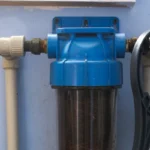
- Whole-house filters: Whole-house filters are a comprehensive solution for filtering tap water. They work by removing impurities from all the water entering the house, providing clean and safe water for all uses. These filters are ideal for those who are concerned about the quality of their tap water and want to ensure that all the water in their home is safe and free of contaminants.
The Importance of Choosing the Right Water Filter
There are water filters for the best quality water and with that, we can enjoy the purity of water. Depending on what contaminants the water source has, size of the filter and amount of filtration needed, some things that you should consider when choosing a water filter.
Choose a good water filter that removes only the contaminants in the water supply. An alternative water filter not made for the particular kind of contaminants might not filter very well, and pollutants may go through the filter and into the water source.
You should also opt for a water filter that is customized for the household. It can include the size of the filter, the degree of filtration that is needed, and what type of water filtration system would be most suitable for the household.
Share this on social media:
Facebook
Twitter
LinkedIn

Related Posts