Solving the Mystery of Discolored Tap Water: An Investigation into the Causes
- Published:
- Updated: January 6, 2025
Listen to this article
Summary
Discolored tap water can signal underlying issues with water quality and treatment processes. Investigating its causes is crucial for ensuring safe and clean drinking water.
Causes of Discolored Tap Water:
- Corroded pipes release iron and minerals.
- Algae growth in water sources can tint water.
- Sediment buildup in pipes and treatment facilities.
- Chemical reactions, like chlorine reacting with organic matter.

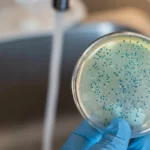
Dark tap water is something that homeowners should be concerned about as this can signal contaminants or the wrong treatment. This is the most significant reason why we want to know why the tap water is turning a dark colour and can fix the problem so you can enjoy drinking pure and clean water. This could mean taking water samples, testing the chemistry of water, and checking the distribution system to see where the discoloration might be coming from.
What Causes Discolored Tap Water?
Tap water that has turned brown is sometimes the result of a number of different things:
Rusty pipes: Rusted pipes may make your tap water yellow because they spill out iron and minerals into the water supply. Corrosive wear and tear will make pipes leak and crack. These holes and leaks can let iron and minerals seep into the water, which can make it turn grey. Moreover, corrosion can also produce sediment accumulation which can be a source of discoloration.
Grow of algae: The growth of algae in water (lakes, rivers) can color tap water. Algae can make dyes that turn water yellow, green or brown. Also, algae can produce things that can taste and smell bad — in other words, they can ruin water for you to drink.
Buildup: Debris build up in pipes and water treatment plant can contaminate your tap water as well. Over time, sediment builds up in pipes and water treatment plants, clogging and plugging them. Water that is forced to flow through plugged pipes and treatment plants turns rusty. Furthermore, sediments build-up can also alter the taste and smell of water making it taste bad.
Chemical reactions: Chemical reactions — chlorine reaction with an organic matter, for example — can also turn the tap water pink. Typically chlorine disinfects water, but it can also combine with plants and animals in their remains to form compounds that alter the colour of water. Additionally, chemical reactions can also make water taste and smell bad to drink.
How Bad is Getting Water From Colored Tap Water?
What are the Health Effects of Discolored Tap Water?

The colour of the tap water does not necessarily lead to ill health, but it can indicate a symptom that needs to be resolved. Discolored water may also have the bacteria, viruses, chemicals and other contaminants that can be dangerous to the human body.
Using a dyed water also has the effect on how the water tastes and smells so you cannot drink it. Sometimes this may mean that you lose a lot of water, and it affects your health and water intake.
Notably, discolored water could also be a sign of a water treatment system breakdown, for example, failure to remove chemicals from the water. If that is the case, cloudy water can be a human health hazard, and should be treated promptly.
How to Address Discolored Tap Water
If you are experiencing discolored tap water, there are several steps that you can take to address the problem:
- Contact your water utility: If you are experiencing discolored tap water, it is important to contact your water utility, as they may be able to identify the cause of the problem and take steps to resolve it. Your water utility may be able to provide information about the source of the discoloration and what steps are being taken to address the issue.
- Run the tap: Running the tap for several minutes can help to flush out any sediment that may be causing the discoloration. By running the tap, you can help to clear out any buildup of sediment that may be causing the discoloration and improve the quality and appearance of the water.
- Use a water filter: Using a water filter can help to improve the quality and appearance of discolored tap water. Water filters can remove impurities, such as sediment and chlorine, from the water, improving its taste, odor, and appearance. In addition, water filters can also help to remove any harmful substances that may be present in the water, such as bacteria and chemicals.
- Avoid using hot water: Avoid using hot water, as hot water can dissolve and release minerals and other substances that can cause discoloration. By avoiding hot water, you can help to prevent the release of impurities that may be causing the discoloration.
The Importance of Proper Water Treatment in Preventing Discoloration
Water treatment is the key to avoiding browning of water from the faucet. Water treatment plants purify and disinfect our water to make it safe and sanitary to drink. For discoloration to be prevented, water treatment plants have to be rigorous in their protocols and employ the right equipment and technology to filter contaminants from the water.
Water treatment can be used to filter the sediment, algae and other impurities out of the water, so that the water looks clean and doesn’t have the danger of fading. Further, water treatment plants can scavenge bacteria and viruses using chlorine or other disinfectants that will even make our drinking water safer and more pure.
The Importance of Regular Water Quality Tests
Our drinking water is regularly tested for water quality, to be sure that it’s safe and of a high quality. If we are regularly testing our water, then we can be proactive about water quality problems like discoloration.
Water quality tests can also detect harmful bacteria, viruses, chemicals, and make sure that we are not drinking unsafe amounts of water. Moreover, water quality tests can also tell us something about the quality of our overall water supply in terms of pH, mineral content, and much more.
Regular water quality testing is available from water utility or private testing companies. Make sure you choose a trustworthy testing lab with high quality control measures so as to get the correct and valid results.
The Benefits of Installing a Home Water Filtration System
Adding a home water filtration system and carrying out regular water testing can improve the quality and look of your tap water as well. Water filtration in your house can clean water from sediment, chlorine and chemicals that make the water taste, smell and look better.
Water filtration home can also give you a piece of mind as it can be used to make sure that your water is safe and high quality. With a home water filtration system, you can get safe, good quality water at home without any worries of discoloration or water-quality concerns.
Water filters for homes come in various types and capacities, as well as customizable to the individual user’s preferences. When shopping for your home water filter, keep in mind the size of your household, water quality, as well as your personal preference.
Share this on social media:
Facebook
Twitter
LinkedIn

Related Posts