Securing Our Food Supply: The Vital Importance of Pure Water in Agriculture
- Published:
- Updated: January 6, 2025
Listen to this article
Summary
Water purity is critical for agriculture, impacting crop growth and food quality. Contaminated water leads to reduced yields and food safety risks. Monitoring water quality, regulating use, promoting sustainability, protecting sources, improving treatment, conserving water, and investing in infrastructure are vital steps. International cooperation is essential, and climate change affects water purity, emphasizing the importance of sustainable water management for a secure food supply.
- Water purity is crucial for agriculture, affecting crop growth and food quality.
- Contaminated water results in reduced yields and food safety risks.
- Steps like monitoring, regulation, sustainability promotion, source protection, treatment improvement, conservation, infrastructure investment, and international cooperation are necessary for ensuring water purity and a secure food supply.

It is very important for agriculture and food production because water quality has a direct influence on the crop growth and development. Water pollution reduces yields and reduces the quality of food produced. Pure water in agricultural production is crucial to guaranteeing a reliable, safe food supply for the world’s people.
The Importance of Water for Agriculture and Food Supply
Water is the lifeblood of farming and food industry as we use it for irrigation, cultivation, and watering animals. Also water is applied in food preparation and packaging. When there is no access to a fresh, pure water, food and farming production will suffer, with less productivity, poorer produce and greater food poisoning.
We need water to keep crops growing and developing, since it gives plants the moisture and hydration that they need to sprout and germinate fruits and vegetables. Moreover, livestock needs water for drinking, bathing and cooling as well.
In food industry, water is used to wash, process and package foods. This water needs to be pure and clean so that the foodstuffs are safe and high-quality. Degraded water can cause food-related illness, and deterioration of the quality and shelf life of food.
The Risks of Contaminated Water in Agriculture and Food Supply

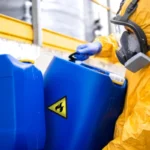
Water that is contaminated can be very dangerous to crops and feed because it may contain contaminants, like bacteria, viruses, and chemicals that will affect the growth and reproduction of plants and animals. Further, water contamination can interfere with the purity and freshness of food, causing food poisoning and other illness.
Environmental contaminants such as bacteria, viruses and chemicals in water that’s contaminated can damage crops and livestock and reduce yields, produce quality and food-borne disease. Deteriorated water can also lead to plant and animal diseases that can damage agriculture and food.
Food production could result in contamination by bacteria and other contaminants which causes food-borne illness and decrease in the quality and shelf life of foods. This can be harmful for public health and the food system as well as leading to economic damages and reduced consumer confidence.
What Can Be Done to Protect Water Purity in Agriculture and Food Supply?
Protecting water purity in agriculture and food supply is an essential part of a safe and healthy food supply. Here are a few simple things that can be done to safeguard the purity of water:
Constant water quality check: Regular water quality checks can detect the water quality issues and fix it if there is any. A regular water quality testing will include bacteria, viruses, chemicals, pH, temperature, and other parameters that influence water quality.
Controlling water consumption: By controlling water consumption — for example, with the implementation of best management practices — water contamination is reduced and water resources conserved. This could be water saving practices, water conservation devices, and green agriculture.
Implementing sustainable agriculture: Adopting sustainable agriculture (for example, conservation tillage and integrated pest management) can reduce the likelihood of water contamination and save water. That may be doing things like using fewer toxic chemicals and encouraging natural and organic methods of controlling pests and diseases.
Water protection: Protection of water resources like rivers and aquifers can protect the long-term viability of water and shield them from pollution. Such can be through the management of wetlands and other wilderness, regulations and policies that safeguard water resources from pollution and other contamination.
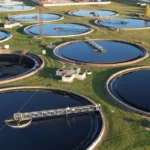
Treatment to improve wastewater: Treatment of wastewater can prevent water contamination and preserve water. These might be the upgrades of treatment plants, improved treatment, and public education and awareness on wastewater management.
Water conservation: Water conservation can decrease water shortages and save water. These could include things like decreasing water waste, encouraging water-efficient technology, and informing and educating the public on water conservation.
Water infrastructure investment: Water infrastructure investments can provide better water quality and water resources. This could be through improvements in treatment processes, new water storage and distribution facilities, or better control and monitoring of water supplies.
The Importance of International Cooperation
Assuring water quality for agriculture and food production is a multilateral enterprise, which requires global collaboration and assistance. The more countries that cooperate, the more knowledge, skills and resources they can pool to conserve this treasure and secure a secure and plentiful food supply.
This could be international cooperation through best-practice sharing for water management, support research and development of new technologies, and education and awareness on the criticality of water purity. Further, international agencies like the World Health Organization or the United Nations can contribute positively to water quality and safeguarding water resources worldwide.
What is the Impact of Climate Change on Water Purity in Agriculture and Food Supply?
Water, water quality and agro-food safety are all affected by climate change. The shifts in precipitation and temperature can lead to water shortage, and also water contamination by rising runoff and flooding.
temperature can lead to the migration of bacterial and virus pathogens in water supplies for agriculture and food consumption. It can be extremely dangerous to crops, livestock, and food quality and safety, resulting in reduced yields and food-borne illness.
The Benefits of Sustainable Water Management for Agriculture and Food Supply
Water conservation is essential to ensure clean water in agriculture and agrobusiness. When we manage water sustainably – by reducing waste, encouraging water-saving technologies and preserving waterbodies – we can enhance the quality of water and make water more sustainable.
Besides, sustainable water use has financial rewards too, including lower prices for water treatment and distribution, water use efficiency in agriculture, and increased food safety and quality. By encouraging wise water use, we can contribute to food security and sustainability and the economic growth of people whose livelihoods depend on food and agriculture.
Share this on social media:
Facebook
Twitter
LinkedIn

Related Posts