Purifying H2O: The Science Behind Water Treatment Techniques
- Published:
- Updated: December 16, 2024
Listen to this article
Summary
Water treatment techniques ensure clean and safe water for consumption by eliminating impurities and contaminants. Various impurities like bacteria, viruses, chemicals, heavy metals, and minerals can affect human health. Throughout history, methods evolved from simple boiling to sophisticated technologies like reverse osmosis and UV sterilization. Water treatment is essential for safe drinking water, industrial processes, and environmental protection, despite its environmental and economic impacts. Continuous advancements in technology improve efficiency and effectiveness, addressing emerging challenges. Regular maintenance and monitoring are crucial for ensuring the reliability and safety of water treatment systems.
- Water treatment eliminates impurities for safe consumption
- Various impurities pose health risks, demanding effective treatment
- Historical evolution of water treatment methods from simple to sophisticated

We can’t live without a clean, safe water, from the tap in your kitchen to the water bottle in your backpack. But have you ever thought about the path that water must go down, from well to faucet? Behind every glass of cool, fresh water there’s a complex cleansing that will wash away contaminants and contaminants.
What are the Different Types of Impurities Found in Water and Their Effects on Human Health?
Water is essential for every organism, but it also contains all sorts of contaminants that have ill effects on human health. These are the most common impurities found in water: bacteria, viruses, chemicals, heavy metals, minerals.
It’s also a worry about bacterial contamination as waterborne diseases like cholera and typhoid are easily spread. There is also the risk of virus contamination, since there are some waterborne pathogens that can lead to fatal diseases like hepatitis A and gastroenteritis.
Pesticides and industrial pollutants can get into water as well, and be harmful to human health. Metals like lead and arsenic are present in water too, and can be very harmful to the body if consumed in large quantities for long periods of time.
Minerals like calcium and magnesium, for example, are harmless in low concentrations, but they do create problems in high concentrations. Hard water, for instance, will scale pipes and appliances and diminish their effectiveness and lifespan.
Historical Evolution of Water Treatment Methods
Humans have cared about access to fresh, uncontaminated water for millennia. Water treatment, in antiquity, was usually carried out by boil and strain. Medieval Europe used sand filters to remove sediment from water.
And then there’s the introduction of chlorine disinfection in the 19th century, which allows water to be sprayed with harmful bacteria and viruses. New technologies like reverse osmosis and activated carbon filtration improved water treatment techniques in the 20th century.
Overview of Modern Water Purification Technologies
Today, there are many different water purification technologies available, each designed to address specific impurities in water. Here are some of the most common water purification technologies in use today:
- Reverse Osmosis: Reverse osmosis is a filtration method that uses pressure to force water through a semi-permeable membrane, removing impurities as it goes. This method is effective at removing dissolved salts, heavy metals, and other contaminants from water.
- Activated Carbon Filtration: Activated carbon filtration is a common method for removing organic contaminants, such as pesticides and industrial pollutants, from water. The carbon absorbs the impurities, removing them from the water.
- Ultraviolet Sterilization: Ultraviolet (UV) sterilization uses UV light to kill harmful bacteria and viruses in water. This method is effective at eliminating waterborne pathogens and is often used in combination with other water treatment methods.
- Chlorine Disinfection: Chlorine disinfection is a widely used method for killing bacteria and viruses in water. Chlorine is added to water, where it reacts with impurities, killing harmful pathogens and improving water quality.
The Role of Water Treatment in Ensuring Safe Drinking Water
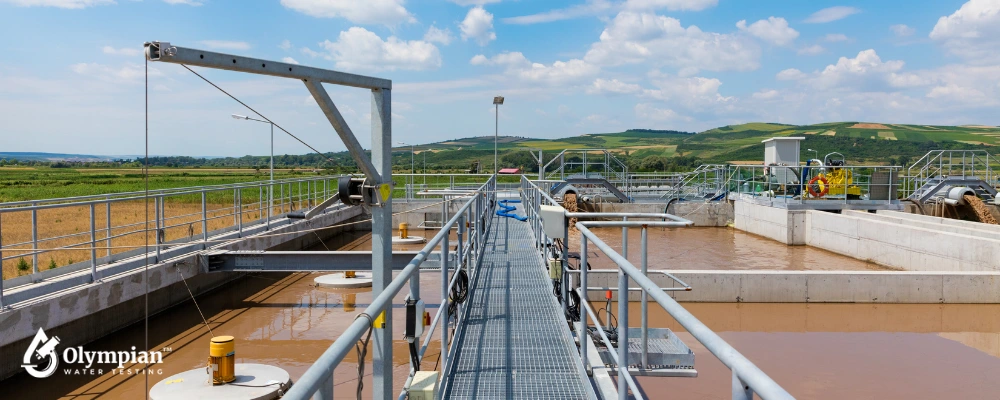
Humans need to have healthy water, and water treatment helps to keep our water supply clean and free from contaminants. Purifying the water, eliminating contaminants and eliminating bacteria and viruses are all measures by which water treatment helps prevent waterborne illness and public safety.
Water treatment is controlled by state bodies in most countries to make sure the water supply is of a certain quality and safety. These regulations are meant to keep people safe and the water quality safe for use.
The Importance of Water Treatment in Industrial Processes
Water treatment not only has to ensure safe drinking water but also many industrial processes. For instance, in power plants, water is treated to get rid of impurities from the cooling water that makes the power plant more efficient and less susceptible to equipment failure.
Water treatment in food and beverage is the process that filters toxins from processing and production water, making food and beverage products healthier and more nutritious. Water treatment is done in pharmaceuticals to make sure the water in production is hygienic and has high quality standards.
What are the Environmental Impact of Water Treatment Techniques?
Water treatment is a necessary part of drinking water safety and public health, but it also can have environmental consequences. Some water treatment, like reverse osmosis, for instance, wastes large amounts of energy and releases waste material in the form of brine.
Also, chemical disinfectants (including chlorine and others) can produce toxic byproducts, including trihalomethanes, which are bad for the environment and human health.
The Economics of Water Treatment: Costs and Benefits
Cost of Water Treatment Water treatment is different as per the process and the size of the treatment facility. All in all, water treatment is an investment for a healthy water and public health. But it is also a long-term investment that can yield many dividends — lowering the risk of waterborne illness, for instance, and improving the lives of communities.
Other areas in which water treatment can be economically valuable include energy efficiency improvements at power plants and reductions in equipment damage in industries.
Future Trends in Water Purification Technology
It is never too late to upgrade water filters. There are new techniques and technologies that are being used to make water treatment more efficient and productive. Nanofiltration and membrane bioreactors are among some of the latest water treatments. These practices will tackle future water quality issues of both new and old kinds.
What are the Common Myths and Misconceptions About Water Treatment?
Water treatment has so many misconceptions and misconceptions despite the fact that it’s very important. They, for instance, think water treatment does not need to be done, or that it churns chemicals into the water. Others think that water treatment is too expensive or that it does not get rid of contaminants in water.
Understanding the Different Types of Water Treatment Techniques
Water treatment systems also need to be maintained and inspected regularly so they work properly and safely. The regular care and monitoring can keep the system running longer, run more effectively, and maintain water that is both pure and safe to drink.
Also, regular monitoring can identify and fix issues before they become severe to prevent equipment failure and maintain the quality and safety of the water supply.
UV Disinfection
UV disinfection: UV light kills or destroys bacteria, viruses and microbes. This technology is a good choice for treating water without the addition of chemicals and it is commonly used along with other treatment systems to make the water totally pure.
Conclusion: Key Water Treatment Techniques
The final verdict Water treatment procedures are various and do their job of keeping the water safe and clean. Boiling, filtration, distillation, sedimentation, flocculation, ion exchange and electrodialysis are all practices with their own advantages and uses that are all part of the larger project of safe water for all.
Share this on social media:
Facebook
Twitter
LinkedIn

Related Posts