Protecting Your Well Water: Simple Tips for Keeping Your Water Safe from Contamination
- Published:
- Updated: January 2, 2025
Listen to this article
Summary
Well water is susceptible to contamination from various sources, but proactive measures can mitigate risks.
- Regular Testing: Test well water annually for contaminants to catch issues early.
- Protective Measures: Maintain well covers, septic systems, and safely store chemicals.
- Proper Location: Ensure wells are situated away from potential contaminant sources.

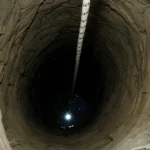
Water from your well is one of the most convenient sources of fresh water available to many homes, but you don’t want to let it become polluted. Whenever there is any question of whether or not our drinking water is good enough, it is always a good idea to insulate your well water. Contamination of well water could be many different types of sources, but the good news is there are very easy things you can do to limit the risk.
What is Contamination in Well Water?
Well water contamination means if the water is full of any toxic chemicals in it. The contaminants can come from all kinds of places: agricultural runoff, septic tanks, even nature. Among the common well water contaminants are bacteria, nitrates, pesticides, heavy metals, and industrial chemicals. These contaminants can be very harmful and you should check your well water regularly to make sure that it is clean to drink.
How to Test Your Well Water

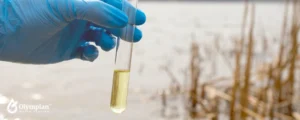
Defending your well water begins with testing regularly. This will tell you if there is contamination, but it also sets a good starting point for testing. : Test your well water at home with a home testing kit or have it tested by a professional. Test your well water once every 12 months, or sooner if you’ve observed your water tasting, smelling, or looking differently. It will allow you to spot issues early on and remediate them before they’re major problems.
Simple Tips for Protecting Your Well Water
- Keep Your Well Covered: A well cover is essential to keep debris, insects, and other animals from entering your well and contaminating the water. It’s important to keep the cover in good condition and replace it if it becomes damaged. A well cover can also help to prevent children and pets from accidentally falling into the well.
- Maintain Your Septic System: If you have a septic system, it’s important to maintain it to prevent any contaminants from entering your well water. This includes having your septic system inspected and pumped regularly, and fixing any leaks or problems promptly. A poorly maintained septic system can release bacteria and other contaminants into the ground, which can then enter your well water and make it unsafe to drink.
- Use Pesticides Carefully: If you use pesticides in your yard or garden, it’s important to use them carefully to prevent contamination of your well water. Follow the instructions on the label and never apply pesticides near your well or septic system. Pesticides can leach into the ground and enter your well water, making it unsafe to drink.
- Store Chemicals Safely: If you have chemicals such as gasoline, oil, or cleaning supplies, it’s important to store them safely to prevent contamination of your well water. Store these chemicals in a secure location, away from your well and septic system, and follow the manufacturer’s instructions for safe storage. Chemicals stored improperly can leak into the ground and contaminate your well water.
- Monitor Your Water Usage: Monitoring your water usage can help you identify any changes in your water supply and detect any potential problems. If you notice any changes in the flow or pressure of your water, it’s important to have it tested immediately. This can help you to catch any potential problems early and take steps to address them before they become serious.
Importance of Proper Well Location
Where you put your well is very important if you want to ensure that your water is safe. Wells should be far away from points of contamination — septic tanks, farmland, industrial facilities. Be careful about contamination when choosing where to drill your well and have an expert consult you to be sure your well is placed in a protected spot.
What are the Potential Health Risks of Contaminated Well Water?
Health risks for you and your family from contaminated well water. The most commonly occurring well water contaminants include bacteria and nitrates that can lead to stomach upset, rashes, or even liver or kidney damage. Heavy metals and industrial-scale chemicals are also potentially harmful – to the nervous system, and to cancer. Always test your well water often and do whatever you can to clean up contaminants.
What are the Benefits of Clean Well Water?
Besides the fact that you’re healthier, having well water that is clean can be of immense value. If you have clean well water, your water will taste better and be more pleasant to drink and use. It can also save you money on water treatment and filtration systems, and prevent any damage to your appliances and equipment. Clean well water can also help value your property and give you peace of mind that your water is safe and stable.
The Role of Local Governments in Protecting Well Water
It’s the municipalities that help to ensure the safety of well water and that it is safe to drink. These are regulations regarding the drilling and maintenance of wells, water quality inspections and the enforcement of regulations to prevent contamination. Through cooperation with your local government agencies, you can be sure that your well water will not be ruined and that you will have clean and safe water.
The Future of Well Water Protection
As the need for safe, clean water grows, we should ensure that our well water is secure. These include investing in new technologies and methods to contaminate water, education about how to protect well water, and collaboration for a safe and stable water supply for future generations. It’s up to us how we want to keep well water safe and healthy for ourselves and our children.
Share this on social media:
Facebook
Twitter
LinkedIn

Related Posts