Livestock's Liquid Needs: The Water Quality-Production Connection
- Published:
- Updated: November 21, 2024
Listen to this article
Summary
Water quality is essential for maintaining livestock health and productivity, impacting factors like feed conversion, growth rates, and disease prevention.
- Essential for Livestock Health: Poor water quality can lead to health issues like digestive problems and respiratory infections, affecting productivity and potentially causing fatalities.
- Factors Affecting Water Quality: Contaminants, pH levels, and mineral concentrations can impact water quality in livestock operations.
- Measuring and Monitoring Water Quality: Techniques like chemical, microbiological, and physical testing are crucial for ensuring water quality meets standards.

Farm animals are essential for agriculture and they are what humans depend on for food. But the slaughter of animals calls for a lot of water, and that water has to be good enough. It is the relationship between water quality and livestock production that determines animal health and productivity.
Why is water quality essential for maintaining livestock health and productivity?
Quality water is important for livestock. Water quality is not in proper condition, which can be causing various ailments such as digestion issues, breathing disorders and skin diseases. Congested water is even fatal, in the extreme. Water quality also impacts the productivity of your herd. And animals who drink clean, fresh water drink more, leading to higher feed conversion and higher growth. A little money put towards water quality can also save on vet expenses and prevent costly diseases from spreading.
Factors that Affect Water Quality in Livestock Production

There are several factors that can impact the quality of water in livestock production, including:
- Contaminants: Water can be contaminated with a range of substances, including bacteria, viruses, and chemicals. These contaminants can cause health problems in livestock and reduce productivity.
- pH levels: The pH level of water is a measure of its acidity or alkalinity. Water that is too acidic or too alkaline can be harmful to livestock and affect their ability to absorb minerals and nutrients.
- Minerals: Certain minerals, such as iron and magnesium, can be present in water in high concentrations, affecting its quality and taste. High mineral levels can also lead to mineral imbalances in livestock, leading to health problems.
Techniques for Measuring and Monitoring Water Quality in Livestock Operations
To ensure that your livestock have access to clean and safe water, it’s essential to regularly measure and monitor water quality. There are several techniques for measuring water quality, including chemical testing, microbiological testing, and physical testing. Chemical testing involves testing water for various chemicals, such as nitrates, chlorine, and heavy metals, to provide valuable information about water quality and identify contaminants.
Microbiological testing involves examining water for the presence of harmful bacteria and viruses, crucial for ensuring water is free from disease-causing organisms. Physical testing involves measuring the physical properties of water, such as temperature, pH, and conductivity, to provide valuable information about water quality and identify any physical issues affecting water quality.
Strategies for Maintaining and Improving Water Quality in Livestock Operations
To maintain and improve water quality in your livestock operation, there are several strategies you can implement, including:
- Filtration: Filtration systems can help remove contaminants from water, such as bacteria and particles. There are several types of filtration systems available, including sand filters, activated carbon filters, and reverse osmosis systems.
- Disinfection: Disinfection systems can help kill harmful bacteria and viruses in water. Common disinfection methods include chlorination, ultraviolet (UV) light, and ozone.
- Water storage: Proper water storage is crucial for maintaining water quality. Water should be stored in clean, sealed containers that are protected from contamination. This will help reduce the risk of bacterial growth and minimize the accumulation of debris and other contaminants.
- Source control: The quality of water at the source is crucial for maintaining water quality in your livestock operation. You should regularly test and monitor water sources, such as wells, springs, and lakes, to ensure that they are free from contaminants.
Impact of Water Quality on Feed Conversion, Growth Rate, and Overall Health of Livestock
The health and efficiency of animals is directly affected by water quality. Water quality can be a way to consume more water which leads to more feed conversion and better growth rates. The good water can also ward off common health problems in animals like digestive disorders, respiratory infections, and skin diseases. These diseases can be productivity-depressing and veterinarian expensive, so water quality control is a worthwhile venture for animal farmers.
What is the Role of Water Quality in Preventing Common Health Issues in Livestock?
Water that has been contaminated with disease in livestock is the major cause of digestion, respiratory illness and skin ailments. Monitoring and testing water quality on a regular basis can catch these issues early and avoid them, so that your animals stay healthy and productive. Water conservation – using filters and disinfection – can even prevent outbreaks in animals. If you manage water quality, your animals will be healthier and happier, and you won’t have to worry about high vet bills.
Best Practices for Water Management in Different Livestock Production Systems
How best to manage water in livestock-production systems will depend on the operation type. Dairy industries, for instance, need to be able to provide fresh, clean water so that dairy cows can make milk. Water quality is also very important in poultry farms, where a poorly filtered water can rapidly transmit disease to birds. The water quality of beef cattle operations must remain healthy and productive – water is available, clean and safe to keep cattle healthy. Considering how each livestock production system works in terms of the water management strategy is critical.
What are the Economic Benefits of Investing in Water Quality Management for Livestock Operations?
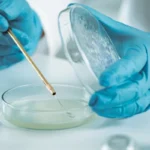
When it comes to livestock farming, investments in water quality can have real economic returns. The higher the water quality, the better the feed conversion and growth rate, which lowers the production cost. Not only that, but decreasing the threat of disease and veterinary fees can increase profitability for livestock operations. With water quality management, you will not only be helping your animals live healthier lives but your bottom line as well.
Share this on social media:
Facebook
Twitter
LinkedIn

Related Posts