Importance of Water Quality in Aquaculture and Fisheries
- Published:
- Updated: December 16, 2024
Listen to this article
Summary
Water quality is paramount in aquaculture and fisheries, directly influencing the health and growth of aquatic species and ecosystem balance.
- Factors like feeding practices and waste management impact water quality.
- Source water quality is crucial, affecting the health of aquatic species.
- Regular testing, proper feeding, and effective waste management maintain high-quality water.

Aquatic species are health and development dependent on water quality. Quality water is a requirement for successful aquaculture and fishing to not only keep the species that are being raised and harvested in check, but also to maintain the natural balance of the aquatic environment.
What is Water Quality in Aquaculture and Fisheries?
Aquaculture and fisheries water quality is the chemical, physical and biological properties of water that can influence aquatic organisms’ health and development. They include pH, temperature, dissolved oxygen, nutrients, salinity and the presence of chemicals and pollutants.
Why is Water Quality Important in Aquaculture and Fisheries?

Quality of water in aquaculture and fisheries environments directly affects aquatic animals’ lives and development. Difficult water also causes disease, stunted growth and poor survival, costing the industry a lot of money. Also, water quality that is low in nutrients can disturb aquatic life and other animals within a given area.
Key Factors that Impact Water Quality in Aquaculture and Fisheries
There are several factors that can impact water quality in aquaculture and fisheries systems, including:
- Feeding practices: Unbalanced feeding practices can result in excess nutrients in the water, leading to poor water quality.
- Waste management: The accumulation of waste from aquatic species and uneaten feed can result in high levels of organic matter and harmful chemicals in the water.
- Water exchange: Inadequate water exchange can result in poor water quality, as the build-up of waste and other pollutants can result in a decline in oxygen levels and an increase in harmful chemicals.
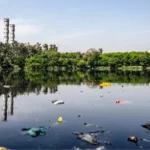
- Water source: The quality of the source water used in aquaculture and fisheries systems can have a significant impact on water quality. Poor source water quality can result in high levels of pollutants and harmful chemicals in the water.
- Weather conditions: Weather conditions can also impact water quality, particularly in open-water systems. Heavy rainfall can result in high levels of pollutants in the water, while high temperatures can result in low oxygen levels.
The Role of Aquatic Species in Maintaining Water Quality
Aquatic species can also play a role in maintaining water quality in aquaculture and fisheries systems. Some species, such as filter-feeding shellfish, can help to remove excess nutrients and organic matter from the water, while others, such as certain species of algae, can help to maintain a balanced ecosystem. It is important to choose species that are well-suited to the water conditions in the system, as some species may actually contribute to water quality problems if they are not well-adapted to the environment.
The Importance of Water Quality for the Sustainability of Aquaculture and Fisheries
Maintaining high-quality water in aquaculture and fisheries systems is essential for ensuring the long-term sustainability of these industries. Poor water quality can lead to disease outbreaks, reduced productivity, and harm to the natural balance of aquatic ecosystems, which can have serious consequences for the health of the species being cultivated and harvested, as well as for the environment as a whole.
In order to ensure the sustainability of aquaculture and fisheries, it is essential to prioritize water quality and implement measures to maintain it. This includes regular water quality testing, proper feeding practices, effective waste management, adequate water exchange, and water treatment, as well as choosing species that are well-suited to the water conditions in the system.
The Economic Impact of Poor Water Quality in Aquaculture and Fisheries
Poor water quality can have a significant impact on the economics of aquaculture and fisheries. Disease outbreaks and reduced productivity can result in significant financial losses, while the cost of implementing measures to maintain water quality can also be high. It is important to consider both the short-term and long-term economic implications of poor water quality, and to invest in measures to maintain high-quality water in order to minimize financial losses and ensure the sustainability of these industries.
The Importance of Source Water Quality for Aquaculture and Fisheries
The quality of source water used in aquaculture and fisheries systems can have a significant impact on water quality. Poor source water quality can result in high levels of pollutants and harmful chemicals in the water, which can impact the health and growth of aquatic species and harm the natural balance of aquatic ecosystems. It is important to carefully evaluate the source water used in these systems and to implement measures to ensure its quality, such as filtration and chemical treatment, in order to maintain high-quality water in aquaculture and fisheries systems.
Measures to Maintain Water Quality in Aquaculture and Fisheries
To maintain water quality in aquaculture and fisheries systems, the following measures can be taken:
- Regular water quality testing: Regular water quality testing is essential for monitoring and maintaining water quality. This can help to identify any issues early on and allow for prompt action to be taken.
- Proper feeding practices: Proper feeding practices, such as feeding only what the aquatic species can consume, can help to reduce the amount of waste in the water and maintain water quality.
- Effective waste management: Effective waste management, including the removal of waste and uneaten feed, can help to reduce the levels of organic matter and harmful chemicals in the water.
- Adequate water exchange: Adequate water exchange, either through natural processes or through the use of mechanical systems, can help to maintain water quality by removing pollutants and replenishing oxygen levels.
- Water treatment: Water treatment, such as filtration and chemical treatment, can help to remove pollutants and harmful chemicals from the water and maintain water quality.
The Role of Government and Industry in Maintaining Water Quality in Aquaculture and Fisheries
Aquaculture and fisheries need water that is clean and healthy from government and industry alike. It’s up to governments and states to set standards and regulations for water quality and aquaculture species and their environments, and industry to implement best practices and put money into infrastructure to keep water clean. Government and industry should collaborate on the long-term sustainability of aquaculture and fisheries, and on the health of aquatic organisms and their habitats.
The Impact of Climate Change on Water Quality in Aquaculture and Fisheries
Aquaculture and fisheries water quality can also be affected by climate change: temperature increases and shifts in the weather impacts water temperature, oxygen, contaminants and chemicals. Such systems must be assessed for how the water quality will be affected by climate change and how these changes will be regulated to preserve the high quality water in these systems as the environmental conditions change.
What are the Benefits of Implementing Best Practices for Water Quality in Aquaculture and Fisheries?
Aquaculture and fisheries with the highest water quality standards can be more productive, more productive and more sustainable. In the absence of investing in clean water, these companies can be more responsible for the health and wellbeing of water animals and their habitats – and enhance profits.
The Future of Water Quality in Aquaculture and Fisheries
Water quality will be an important part of the future of aquaculture and fisheries as these industries grow and change. As climate change may affect the industry, and aquatic life will continue to be stretched, it’s vital to put a premium on water quality and make steps to maintain it to keep it safe for the future of these businesses and the health of aquatic animals and their ecosystems.
Share this on social media:
Facebook
Twitter
LinkedIn

Related Posts