Impact of Water Quality on Water-based Tourism
- Published:
- Updated: December 14, 2024
Listen to this article
Summary
Water quality is pivotal for water-based tourism, influencing visitor experiences, economic viability, and environmental sustainability. Poor water quality can deter tourists, harm marine ecosystems, and impact local economies negatively. Conversely, pristine waters attract tourists, support livelihoods, and foster environmental conservation.
- Water quality is vital for water-based tourism, affecting visitor experiences and economic sustainability.
- Poor water quality can deter tourists, harm marine life, and negatively impact local economies.
- Measures to improve water quality include pollution reduction, habitat restoration, and public education, supported by monitoring, regulations, technology, and collaboration.

Water tourism is a core part of many countries’ economies and brings jobs and income for local people. But the quality of the water can make a big difference to the tourism industry. The water is unhealthy and can cause the spread of diseases, the death of marine organisms, and harm the image of tourist spots. Conversely, pristine waters can be more popular and improve experiences.
What is water quality?
Water quality: The chemical, physical and biological quality of water. These might be such things as temperature, pH, dissolved oxygen, or even pesticides or bacteria. The water quality also influences the wellbeing of the animals in it, human safety and whether or not the water is usable for other uses.
Why is water quality important for water-based tourism?

Water-based tourism depends on the quality of the water on which the activities are conducted. Tourists in these regions wish to swim, boat and fish in good water, and bad water quality has the potential to ruin that. Furthermore, bad water quality has economic implications because tourist businesses might not get as much revenue and growth. Fourth, and last, poor water quality also threatens the natural world as well as people’s health and wellbeing.
Environmental impacts of poor water quality
Poor water quality can be very environmentally damaging. Polluted water can devastate waterways, and subsequently the species that depend on them. Nutrients and pollutants make algal blooms that kill fish and other marine organisms. Moreover, too much nutrients dwindle oxygen supply, destroying marine life. Poor water quality can also have upstream effects – polluted water can spill over to other waters and alter whole ecosystems.
What are the economic impacts of poor water quality?
Water quality problems can cause big economic losses to water tourism. Tourists might be less inclined to visit areas where water is bad, meaning that shops there make less money. Moreover, enterprises dependent on water to do business, for example, fishing or boating, can not operate if water quality is unsatisfactory. Lastly, a bad water quality can hurt property values because waterfront homes may be less desirable.
Health impacts of poor water quality
Inadequate water quality can affect people’s health and wellbeing in similar ways. Water contaminated with sewage causes many diseases such as rashes, stomach problems, and respiratory tract infections. Also, contaminants in the water may bioaccumulate in fish and other water species, and thus become more toxic to consumers.
How to improve water quality for water-based tourism
Improving water quality for water-based tourism requires a multi-faceted approach. Some strategies that can be used include:
- Reducing pollution inputs: One key way to improve water quality is to reduce the amount of pollution that is entering the water in the first place. This can involve strategies such as reducing the use of pesticides and fertilizers, properly disposing of hazardous waste, and reducing runoff from urban areas.
- Implementing treatment technologies: Treatment technologies can also be used to improve water quality. This can involve using things like filters or ultraviolet light to remove pollutants from the water.
- Restoring natural habitats: Restoring natural habitats, such as wetlands or riparian zones, can help improve water quality by filtering pollutants and nutrients from the water. In addition, these habitats can provide important habitat for wildlife, which can further improve the health of aquatic ecosystems.
- Educating the public: Finally, education and outreach efforts can be used to help improve water quality for water-based tourism. This can involve educating individuals on the importance of clean water and the impacts of pollution, as well as providing guidance on how to reduce pollution inputs and properly dispose of waste.
The Importance of Water Quality Monitoring
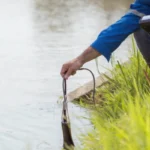
Water quality monitoring: If you want water quality to be good enough for water tourism, you need a comprehensive water quality monitoring system. This can be based on frequent testing for physical, chemical and biological features of the water. Monitoring water quality can catch problems in time, and get things done before they become more severe.
We can also monitor water quality for time-varying trends and measure the performance of management programs. For instance, if a project to restore wetland would be carried out to increase water quality, the water quality could be monitored for over time and measured as success or failure.
The Role of Regulations in Protecting Water Quality
Water quality for water tourism can be protected by laws as well. Such as limits on pollutant release into the water, requirements for businesses to take pollution control measures, or prohibitions on certain products that pollute water.
Regulation can also help hold companies and individuals responsible for their water quality impacts, and can establish a system to respond to water quality impacts effectively and in a systematic way. But rules have to be properly constructed and enforced, so that they do protect water quality while not encroach on economic activity.
The Role of Technology in Improving Water Quality
Water quality improvements in water tourism can be addressed through technological solutions as well. : for instance, new treatments that can more efficiently filter pollutants out of the water, or new monitoring technologies to do more frequent and comprehensive water quality tests.
Also, water quality can be measured more precisely using technology to understand how water quality affects aquatic life and human health and wellbeing. For instance, tools could be built that measure how pollutants in water flow and which come from where, or the state of fish and other aquatic species, at any moment.
The Importance of Collaboration in Improving Water Quality
The resuscitation of water for water tourism needs collaboration and interconnectedness among many parties. That could be government departments, corporations, NGOs and private individuals. We can create and implement good practices for water quality improvement together, so that everyone has access to the advantages of water-based tourism.
Bringing water quality to work with other management objectives (including the preservation and restoration of aquatic ecosystems, sustainable development, and the mitigation of climate change) can also support cooperation. Stakeholders can cooperate on the development of integrated, multi-disciplinary solutions for effective, efficient and sustainable water quality management.
Share this on social media:
Facebook
Twitter
LinkedIn

Related Posts