Hidden Costs of Poor Water Quality in Agriculture
- Published:
- Updated: December 16, 2024
Listen to this article
Summary
Poor water quality in agriculture, stemming from contaminants like heavy metals and pesticides, not only decreases crop yields but also imposes hidden costs, including reduced soil fertility, loss of biodiversity, health problems, and increased treatment costs. Technology, like precision agriculture, and public-private partnerships can aid in improving water quality. Steps to enhance water quality involve implementing best practices, investing in treatment technologies, monitoring, education, infrastructure improvements, and fostering cooperation. Long-term planning is crucial for sustainable water quality management in agriculture, necessitating proactive measures and investment in infrastructure and technology.

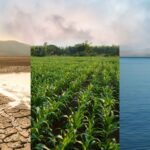
Farming fuels economies across the globe and gives food and fibre to millions of people. As much as it is a concern, water quality issues can impact agricultural yields at a tremendous cost in terms of production losses and additional costs. The invisible price of agricultural water quality degradation is not well known, and its impact on the landscape and economy may not be easily forgotten. The costs of these should be clearly seen, and we should address the issue of water quality in the agriculture sector to ensure sustainable and productive agricultural system.
What is Poor Water Quality and How Does it Affect Agriculture?
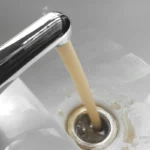
Bad water quality: This term is applied to water that has contaminants that can be harmful to vegetation, livestock and people. They can be heavy metals, pesticides and insufficient nutrients like nitrogen and phosphorus. Degraded water quality has a big influence on agricultural yield, yield loss and many other adverse effects.
Heavy metals in water, for instance, can build up in the soil and cause diseases in plants that deprive them of growth and productivity. There can also be crop damage and harvest losses from pesticides, water pollution from excess nutrients leading to algal blooms and oxygen loss from the waters, death for fish and other aquatic animals.
Bad water also makes agricultural production more expensive. Farmers, for instance, may have to buy more expensive irrigation systems to get enough water for their crops, or they may have to buy more expensive seeds and fertiliser to make up for lower yields due to unhealthy water supplies.
Hidden Costs of Poor Water Quality in Modern Agriculture

The hidden costs of poor water quality in agriculture go beyond reduced yields and increased production costs. These costs can include:
- Reduced soil fertility: Poor water quality can lead to reduced soil fertility, making it more difficult for crops to grow and reducing their yields. This can lead to the need for additional fertilizers and other inputs, increasing the costs of agricultural production.
- Loss of biodiversity: Poor water quality can cause the loss of biodiversity in waterways and other habitats, reducing the number of species that can be used for food and other purposes. This can have a significant impact on the local ecosystem and the livelihoods of people who depend on these resources.
- Health problems for humans and animals: Poor water quality can cause health problems for humans and animals that come into contact with contaminated water. This can include skin irritation, digestive problems, and even death in severe cases.
- Loss of livelihoods: Poor water quality can lead to the loss of livelihoods for people who depend on fishing and other aquatic resources for their income. This can have a significant impact on local communities and economies.
- Increased costs for treatment and disposal: Poor water quality can increase the costs of treatment and disposal, as more expensive methods may be needed to remove the contaminants from the water.
The role of technology in improving water quality in agriculture
One of the key ways that water quality in agriculture can be improved is through the use of technology. From monitoring systems that track water flow and temperature, to treatment technologies that remove contaminants from the water, technology can play a vital role in ensuring the health and sustainability of agricultural production.
One example of a technology that is gaining popularity in the agriculture industry is precision agriculture. This approach uses data and technology to optimize crop production and reduce waste, including water usage. Precision agriculture can help farmers to reduce their water usage and improve the quality of the water that they do use, by providing real-time information on soil moisture levels and water usage. This can help farmers to make informed decisions about their water usage, reducing their water footprint and improving the quality of the water they use.
The role of public-private partnerships in improving water quality in agriculture
Another key factor in improving water quality in agriculture is the role of public-private partnerships. These partnerships can bring together government agencies, private companies, and farmers to work together to find solutions to water quality issues. By sharing information, resources, and expertise, public-private partnerships can help to improve water quality and support sustainable agricultural production.
One example of a successful public-private partnership in the agriculture industry is the USDA Natural Resources Conservation Service (NRCS). This program provides technical and financial assistance to farmers to help them adopt best management practices and improve their water usage. The NRCS works with farmers to identify the best ways to reduce their water footprint, including improving irrigation systems and reducing their use of pesticides and fertilizers.
How to Improve Water Quality in Agriculture?
Improving water quality in agriculture is essential for ensuring sustainable production and reducing the costs associated with poor water quality. Some of the steps that can be taken to improve water quality in agriculture include:
- Implementing best management practices: Best management practices can help to reduce the amount of contaminants that enter waterways, including reducing the use of pesticides and fertilizers and improving soil management practices.
- Investing in treatment technologies: Investing in treatment technologies, such as reverse osmosis systems, can help to remove contaminants from the water and improve its quality.
- Monitoring water quality: Regular monitoring of water quality is essential for identifying potential problems and taking steps to address them. This can include testing for contaminants, monitoring water flow and temperature, and monitoring aquatic species populations.
- Educating farmers: Educating farmers about the importance of water quality and best management practices can help to reduce the impact of poor water quality on agriculture.
- Improving infrastructure: Improving infrastructure, such as upgrading irrigation systems and repairing damaged pipes, can help to reduce the amount of contaminants that enter the water supply and improve water quality.
- Encouraging cooperation: Encouraging cooperation between farmers, water management agencies, and other stakeholders can help to improve water quality by promoting best practices and sharing information and resources.
The importance of long-term planning for water quality in agriculture
Improve agricultural water quality on a sustainable basis. That’s by doing the water management thinking in advance and thinking ahead to the future of agriculture. This can be by implementing long-term water use plans, infrastructure and technology investments, and best management practices.
For instance, one way to make water quality in agriculture sustainable for a very long time is to build water treatment and storage facilities. This can mean building new reservoirs and re-soiling older irrigation systems so that the farmers have access to the water they need to water their crops. Water infrastructure can be a long-term investment that will help ensure the quality of water for farming in the future and sustain the agricultural sector as it continues to expand.
Share this on social media:
Facebook
Twitter
LinkedIn

Related Posts