Harvesting a Better Future: Rainwater Collection for Improved Water Quality
- Published:
- Updated: January 17, 2025
Listen to this article
Summary
Rainwater collection offers numerous benefits, including reduced reliance on municipal water supplies, improved water quality, reduced demand on treatment facilities, lower water bills, and enhanced water security. Methods range from rain barrels to underground storage tanks. Filtering and disinfecting rainwater are essential for safe consumption. As awareness grows and technology advances, rainwater collection is poised to play a vital role in securing a sustainable water future.

Rainwater harvesting is an affordable and practical way to resolve a lot of the water-related problems in the society today. By collecting rainwater, we are able to diminish the need for surface water, and have water that is healthier for all other purposes: irrigation, cleaning, drinking. It is not only an ecologically healthy activity but can build communities better tomorrow if we conserve this resource for those who come after us. In a time of increasing water poverty and water pollution, we should be collecting rainwater to have a bright future for us all.
What is Rainwater Collection?
Rainwater collection is harvesting and collecting rain water for use later. You can do that with different forms of rain barrels, cisterns, and underfloor tanks. The rainwater pumped into it can then be applied to everything from irrigation of plants to flushing toilets to drinking (filtration is optional). Collection of rainwater has been around for centuries and is becoming a growing trend as more people are looking for ways to save money on water and have more water security.
Benefits of Rainwater Collection

Rainwater collection offers a range of benefits for both the environment and human health. Some of the most significant benefits include:
- Reduced reliance on municipal water supplies: By collecting and storing rainwater, individuals and communities can reduce their reliance on water from municipal supplies, which can be contaminated or in short supply. This not only helps to reduce the demand on these supplies but also helps to ensure a more stable and reliable source of water.
- Improved water quality: Rainwater is naturally pure and free of many contaminants, making it a safer and more sustainable source of water. Unlike water from municipal supplies, which may be treated with chemicals and other substances, rainwater is free from these contaminants and is therefore a safer and more sustainable source of water.
- Reduced demand on water treatment facilities: When rainwater is collected and used, it reduces the demand on water treatment facilities, which can be a major source of pollution. This not only helps to reduce the impact of these facilities on the environment but also helps to ensure a more sustainable source of water for future generations.
- Reduced water bills: By using rainwater for various purposes, individuals and communities can reduce their water bills. This not only helps to save money but also helps to reduce the demand on water supplies, which can help to ensure a more sustainable source of water in the future.
- Improved water security: In regions that are prone to drought, rainwater collection can help to ensure a stable and reliable source of water. This is particularly important for communities that are dependent on water from municipal supplies, which may be impacted by drought and other water-related issues.
How to Collect Rainwater
There are many ways to collect rainwater, and the best method will depend on your specific needs and circumstances. Rain barrels are simple containers that are placed under the downspout of a roof gutter to collect rainwater. They are an easy and affordable way to start collecting rainwater, and they can be connected together to increase the storage capacity. Rain barrels are ideal for small-scale collection and can be made from a variety of materials, including plastic, metal, and even repurposed containers.
Cisterns are large containers that are designed to store large amounts of rainwater. They can be buried underground or placed above ground and can be made from a variety of materials, including concrete, plastic, and metal. Cisterns are ideal for larger-scale collection and can be used for a variety of purposes, including irrigation and drinking water (with proper filtration).
Underground storage tanks are buried below the ground and can store large amounts of rainwater. They are an ideal solution for areas with limited space and are often used in conjunction with rain barrels and cisterns. Underground storage tanks are a great way to increase storage capacity and are often used in commercial and industrial settings.
Is Rainwater Safe to Drink?
Rainwater is generally considered safe to drink, but it is important to understand that it can still contain contaminants from the atmosphere and from the roof and gutters it was collected from. To ensure that the collected rainwater is safe to drink, it is important to filter it and disinfect it before use. This can help to remove contaminants and pathogens that may be present in the water, ensuring that it is safe for consumption.
How to Filter and Disinfect Rainwater
There are many methods for filtering and disinfecting rainwater, and the best method will depend on the specific contaminants present in the water. Some of the most common methods include:
- Screen filters: Screen filters are simple devices that are placed at the inlet of the rainwater collection system to remove large particles, such as leaves and debris, from the water. This helps to prevent clogging and other issues in the collection system.
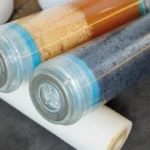
- Activated carbon filters: Activated carbon filters use activated carbon to remove organic compounds and other contaminants from the water. This helps to improve the taste and odor of the water, as well as removing harmful substances that may be present.
- UV disinfection: UV disinfection uses ultraviolet light to kill bacteria and other pathogens in the water. This is a safe and effective method for disinfecting water, and it does not add any chemicals to the water.
- Chlorination: Chlorination involves adding a small amount of chlorine to the water to kill bacteria and other pathogens. This is a quick and effective method for disinfecting water, but it is important to follow the instructions carefully to avoid adding too much chlorine, which can be harmful.
It is important to note that filtration and disinfection are not the same thing, and both may be necessary to ensure that the collected rainwater is safe to drink. It is recommended to consult with a water treatment professional to determine the best filtration and disinfection methods for your specific situation.
The Future of Rainwater Collection
Rainwater collection is an accelerating phenomenon and with the rising awareness about its advantages it will only increase in the future. And as technology improves, there will most likely be even more efficient ways to collect rainwater, which will make it even easier and less expensive for people and communities to capture and use rainwater. Furthermore, with rising water shortage and water quality worries, rainwater harvesting will be increasingly central to a sustainable and secure water future.
Share this on social media:
Facebook
Twitter
LinkedIn