Dangers of Microbial Contamination in Water Supplies
- Published:
- Updated: January 6, 2025
Listen to this article
Summary
Microbial contamination in water supplies poses significant health risks, including waterborne diseases like dysentery and cholera. To reduce these risks:
Improve water treatment processes: Enhance methods like chlorination and filtration to remove harmful microorganisms effectively.
Protect water sources: Control sewage discharge, agricultural runoff, and land use practices to safeguard rivers, lakes, and groundwater.
Monitor water quality: Conduct routine testing and employ real-time monitoring systems to detect and address contamination promptly.
Promote sanitation: Encourage good hygiene practices and provide access to facilities like toilets and handwashing stations.

The source of life is water and a human right to clean and safe water. But water supplies can get tainted by all kinds of microbes, and the health of humans can suffer from it. Waterborne disease in the water supply is as common as it is severe, fatal. Therefore, knowing the risks of microbes in water sources is important and what to do to avoid them.
What is Microbial Contamination in Water Supplies?
Microbial contamination of water supply – There are harmful microbes (bacteria, viruses, parasites) in water. They can reach water supplies through the use of sewage discharge, agricultural run-off, and animal manure. Microbial infiltration of water is a deadly plague on human health, causing disease in water such as dysentery, cholera and typhoid fever.
The Health Risks of Microbial Contamination in Water Supplies

Health hazards of microbial contamination in water supply are serious because consuming water tainted with microbes is the cause of all water-borne illnesses. Diarrhoea, dehydration and death are the results of these diseases, especially among vulnerable populations, including young children, the elderly and individuals with compromised immune systems.
Along with severe health effects, microbe contamination of water can be far-reaching economically and socially. Waterborne disease outbreaks and epidemics happen quickly, can disrupt whole communities with school closures, loss of economic activity and more expensive healthcare bills.
What Can Be Done to Reduce the Risk of Microbial Contamination in Water Supplies?
Reducing the risk of microbial contamination in water supplies requires a multi-faceted approach that addresses the sources of contamination and the pathways through which microorganisms enter water supplies. Some of the key strategies for reducing the risk of microbial contamination in water supplies include:
- Improving Water Treatment: Improving water treatment processes, such as chlorination and filtration, can help remove harmful microorganisms from water supplies and reduce the risk of contamination. In addition, regular monitoring and maintenance of water treatment systems is essential to ensure that they are functioning effectively.
- Protecting Water Sources: Protecting water sources, such as rivers, lakes, and groundwater aquifers, from contamination is an important step in reducing the risk of microbial contamination in water supplies. This can be achieved through measures such as controlling sewage discharge and agricultural runoff, and improving land use practices to reduce the risk of contamination.
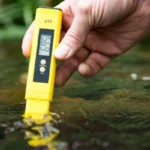
- Monitoring Water Quality: Regular monitoring of water quality can help identify potential sources of contamination and allow for prompt action to be taken to address any problems. This can be done through routine water quality testing, as well as the use of real-time monitoring systems that can detect changes in water quality in near real-time.
Improving Sanitation: Improving sanitation and hygiene practices, such as providing access to toilets and handwashing facilities, can help reduce the risk of contamination and the spread of waterborne diseases. This includes both improving access to these facilities, as well as educating communities about the importance of good hygiene practices.
The Importance of Community Involvement in Reducing Microbial Contamination in Water Supplies
Community involvement is essential in reducing the risk of microbial contamination in water supplies. Communities can play an active role in monitoring water quality, reporting potential sources of contamination, and advocating for improved water treatment processes and protection of water sources.
In addition, community involvement can help promote good hygiene practices, such as handwashing and the proper disposal of human waste, which can help reduce the risk of contamination and the spread of waterborne diseases. By working together, communities can take an active role in ensuring the safety of their water supplies and improving public health.
What are the Roles of Government and Non-Government Organizations in Reducing Microbial Contamination in Water Supplies?
Government agencies and non-government organizations play a crucial role in reducing the risk of microbial contamination in water supplies. Governments can establish regulations and policies to control sources of contamination, such as sewage discharge and agricultural runoff, and enforce penalties for non-compliance. In addition, governments can invest in infrastructure, such as water treatment plants and sewage treatment facilities, to improve the quality of water supplies and reduce the risk of contamination.
Non-government organizations can also play an important role in reducing the risk of microbial contamination in water supplies. For example, non-government organizations can provide education and outreach to communities about the dangers of contaminated water and the importance of good hygiene practices. They can also provide technical assistance and support to communities in improving water treatment processes and protecting water sources.
The Future of Water Quality Analysis and Contamination Prevention
There are bright possibilities in future for water quality testing and prevention with the development of new technology and techniques to make water supply safer. By way of illustration, specialized water treatment processes like ultraviolet light or nanotechnology can help filter out toxins from water. Moreover, new monitoring technologies like real-time monitoring which can measure changes in water quality in near real-time can flag potential contamination areas and enable remediation to be taken swiftly.
We should all develop new water treatment and monitoring technologies so that we can avoid microbial contamination of water supplies, and keep our water supplies safe for future generations. But they must be matched with effective policies, rules and community engagement if they are to work to minimise risk of contamination and maximise health.
Share this on social media:
Facebook
Twitter
LinkedIn

Related Posts