Benefits of Water Testing and Analysis for Businesses
- Published:
- Updated: January 2, 2025
Listen to this article
Summary
Benefits of water testing and analysis for businesses include:
Protecting Human Health: Ensures that water used in businesses is safe for consumption, protecting employees, customers, and the public from potential health hazards.
Protecting the Environment: Helps businesses comply with environmental regulations, prevent contamination of natural water sources, and preserve ecosystems.
Improving Equipment Efficiency: Identifies issues such as scaling and corrosion in water-based equipment, allowing businesses to take preventive measures and maintain equipment efficiency.
Increasing Production and Saving Money: Prevents downtime and reduces production losses by ensuring smooth operation of water-based operations, ultimately saving money on repairs and replacements.

Bronx water testing and analysis is an important aspect of ensuring the safety, quality and efficiency of water-based operations in businesses. Whether it is for industrial, commercial, or agricultural use, water testing is essential for protecting the environment, human health, and the longevity of equipment and systems.
What is the importance of water quality for businesses?
The water is a key resource for the enterprises and in all kinds of processes, from manufacturing to farming, even in an office building day to day functions. Water quality and availability is essential to these operations and regular water testing and analysis are the best ways to make sure that happens.
The water that businesses use can be affected by natural and human contaminants, industrial discharges, etc. They can cause issues including lower equipment efficiency, disease, environmental harm, even production disruption. Bronx water analysis and testing services can be performed to help pinpoint these pollutants and take preventative measures.
Benefits of Water Testing for Businesses

Protects Human Health
Water testing and analysis is important for the health of employees, customers and public. Water pollution is the cause of stomach and respiratory tract disease, skin rash, etc. We test the water that businesses consume regularly to ensure that it’s suitable for drinking and isn’t unhealthy.
Protects the Environment
Water sampling and testing ensures that companies follow the environment laws and do not pollute natural water supplies. That’s keeping things healthy and keeping the ecosystem going.
Improves Equipment Efficiency
Water quality can be a great determinant of the productivity of machinery in many applications. For instance, hard water scales and corrosion boilers, cooling towers and other water-based machines. Checking for these problems and taking measures to ensure that the equipment performance does not suffer can be identified through regular water testing and analysis.
Increases Production and Saves Money
Checks and analyses of water can be done periodically to detect and detect the problem before it leads to downtime and lost production. If your water-based processes are up and running, then your company will produce more and save on repair and replacement costs.
Enhances Brand Reputation
Water analysis and testing can also help organizations improve their brand name by establishing that they care about safety, quality, and the environment. It can help draw in customers, investors, and workers and give the company a better reputation.
Importance of Hiring a Professional Water Testing Service
One of the most important steps in ensuring the accuracy and reliability of water testing and analysis results is to hire a professional water testing service. Professional water testing services have the expertise and equipment necessary to accurately test and analyse water samples, and they can provide valuable insights into the quality and safety of water used in businesses.
Hiring a professional water testing service can also help businesses comply with local and national regulations, as well as industry standards for water quality. This can help to avoid costly fines and legal issues, and ensure that businesses are operating in a safe and responsible manner.
Types of Water Testing and Analysis
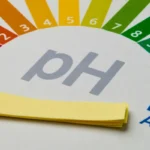
- Physical Testing: Physical testing measures the physical properties of water such as temperature, turbidity, and pH. This type of testing helps to identify any physical contaminants in the water and determine its overall quality.
- Chemical Testing: Chemical in water testing measures the presence of chemical contaminants in water, such as heavy metals, pesticides, and industrial chemicals. This type of testing helps to identify any potential health hazards and environmental risks associated with water use.
- Microbial Testing: Microbial water testing measures the presence of harmful bacteria, viruses, and parasites in water. This type of testing is crucial for ensuring the safety of water for consumption and preventing the spread of waterborne illnesses.
- Radiological Testing: Radiological testing measures the presence of radioactive substances in water. This type of testing is important for identifying any potential risks associated with exposure to radiation and ensuring that water is safe for use.
- Biological Testing: Biological testing measures the presence of living organisms in water, such as algae and aquatic plants. This type of testing helps to determine the overall health and quality of the water source and identify any potential ecological problems.
Why is regular testing and monitoring important for ensuring the safety and quality of water used in businesses?
Regular water testing and analysis is essential for ensuring the safety and quality of water used in businesses. The frequency of testing will depend on the specific needs of the business and the type of water being used, but it is important to establish a regular testing schedule and monitor water quality on an ongoing basis.
By establishing a regular testing schedule, businesses can identify and address any potential problems early on, before they become more serious. Regular monitoring also helps to ensure that businesses are maintaining a safe and reliable supply of water, and that they are taking appropriate action to prevent contamination and maintain water quality.
Common Contaminants in Water and Their Impacts
- Microbial Contaminants: Microbial contaminants such as bacteria, viruses, and parasites can cause illness and infections. These contaminants can enter water sources through human and animal waste, as well as through faulty septic systems and wastewater treatment plants.
- Chemical Contaminants: Chemical contaminants such as heavy metals, pesticides, and industrial chemicals can enter water sources through industrial discharges, runoff from agricultural lands, and leaking storage tanks. These contaminants can cause serious health problems and harm the environment.
- Physical Contaminants: Physical contaminants such as sediment, sand, and debris can cause problems in water-based equipment and reduce its efficiency. Physical contaminants can also make water appear cloudy or discolored, reducing its aesthetic appeal.
Making Water Testing and Analysis a Priority
Investing in water testing and analysis is one way to ensure that water based business are successful and have a positive image for your company. If you make water testing and analysis a part of your business, you can show that you care about safety, quality, and the environment and do your part to help ensure that nothing bad happens.
Water testing and testing is one of the most important parts of making water operations in the business safe, good and efficient. Businesses can save human health, the environment, and the lives of equipment and systems by investing in testing and analysis at a regular interval and maintain their operations.
Share this on social media:
Facebook
Twitter
LinkedIn

Related Posts