Benefits of Reverse Osmosis for Clean Drinking Water
- Published:
- Updated: December 16, 2024
Listen to this article
Summary
Access to clean drinking water is vital for health. Reverse osmosis (RO) filtration offers pure water by removing contaminants like bacteria and minerals. It enhances taste and odor and outperforms other methods. While installation is easy, it can produce waste water and remove essential minerals. Regular maintenance ensures longevity, making RO a cost-effective and eco-friendly solution for clean drinking water worldwide.

Drinking water is crucial to health and well-being. Although most neighborhoods have treated aqueduct water, others might want to filter their water with a water filtration system. A very popular filter is reverse osmosis (RO).
The Advantages of Reverse Osmosis
Reverse osmosis uses a semi-permeable membrane to get rid of the contaminants and impurities in the water. This treatment can remove bacteria, lead, salts, and minerals from the water efficiently leaving you with clean drinking water without toxins. Reverse osmosis especially removes salts and minerals from drinking water, so it’s the ideal option for people on a low-sodium diet or those sensitive to mineral in drinking water.
Reverse osmosis also makes water taste and smell better. Reverse osmosis purified water does not have bad tastes or smells and offers a pure and clean drink. That is why reverse osmosis has been said to be a more complete and reliable water filtration system than activated carbon filtration.
Comparison to Other Filtration Methods

Activated carbon filtration can be used to purify water from contaminants including chlorine, VOCs, and pesticides. But it can’t remove other contaminants, like salts, minerals and bacteria, quite as well as reverse osmosis. For a complete water purification system, reverse osmosis is more comprehensive, and it is an ideal water purification system for the home.
Reverse osmosis is also a popular filtering process over other filtration processes because it gets rid of more contaminants and impurities. Reverse osmosis does not need to boil, or even take water purification tablets — there is a cleaner way of treating water and getting rid of organic and inorganic chemicals from the water that can be more beneficial to people and their families.
Easy Installation and Maintenance
The installation and repair process for a reverse osmosis system is not hard at all. The homeowners are able to do it themselves or hire a professional to install the system. Once installed, it doesn’t need much upkeep and doesn’t need filters changed very often. We recommend regular cleaning of the system to make sure it works efficiently and long.
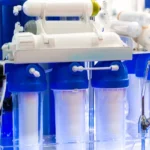
There is very little to do to maintain a reverse osmosis system except cleaning the semi-permeable membrane periodically. This enables you to be sure the system is kept up and running efficiently and supplies you with fresh, clean water for years to come. Reverse osmosis systems are typically small and installed under a sink or in the basement, so they’re easily accessible for most homeowners.
Potential Drawbacks
Although reverse osmosis is fantastic at eliminating contaminants in water, there are downsides to consider. The first is generating sludge, because reverse osmosis needs a lot of water to make a little less filtered water. Reverse osmosis systems can be costly, so they are not available for everyone and in every community.
Reverse osmosis also has the potential downside of leaching vital minerals from drinking water such as calcium and magnesium. These minerals are necessary for healthy function, and their removal from drinking water is detrimental to health and wellbeing. There are even reverse osmosis units now with remineralization stages to return minerals to the filtered water for a balanced, healthy taste.
However, despite these disadvantages, the advantages of reverse osmosis are enough to make it popular with many people and their families. Reverse osmosis has proven to be a great way to get rid of a lot of the contaminants, it can also add a wonderful taste and smell to your water, and it is extremely easy to install and maintain.
The Importance of Regular Maintenance
A reverse osmosis system needs to be maintained as it continues to perform well. The semi-permeable membrane of the system gets stuck with impurities over time and ceases to filter water effectively. These impurities are flushed out by frequent membrane cleans to improve system’s performance.
Homeowners should expect to schedule maintenance for their reverse osmosis unit every year or two. This helps to ensure that the system can still serve clean and pure water for many years to come. Either the owner takes the maintenance on the regular or enlists the services of an expert.
Cost-Effective Option
Reverse osmosis systems aren’t cheap, but they are a cheaper solution over the long term. Since reverse osmosis will get rid of a vast variety of pollutants, you won’t need to buy bottled water and it’s a cheaper alternative for home use. Reverse osmosis systems don’t require much maintenance and it also reduces in the long run.
Reverse osmosis in commercial and industrial contexts can be affordable as well since it is an all-in-one water treatment system. This can save the time for other types of filtration and increase the overall efficacy of water treatment systems. The reverse osmosis provides pure, clean water which is an investment for any business or institution.
Environmental Benefits
RIO water purification is also green-friendly. Reverse osmosis saves us from the need to buy bottles of water, as we don’t waste plastic or pollute the environment. Reverse osmosis systems are energy efficient, which saves you from the energy and carbon emission associated with water treatment.
Reverse osmosis in commercial and industrial uses also decreases water usage since less water is needed to create the same amount of filtered water. This saves water resources and minimizes the environmental footprint of water treatment systems. Reverse osmosis can not only supply clean and pure water but is also environmentally responsible.This makes reverse osmosis an important means of ensuring a healthy and sustainable future.
Importance for Developing Countries
Lack of safe and clean water is one of the greatest problems for communities in the developing world. Reverse osmosis can be used to help solve this problem by providing people with clean and pure water. Reverse osmosis can be used to clean a large number of contaminants and improve public health in the developing world as well as economic growth and poverty reduction.
Reverse osmosis is an excellent treatment for purifying water that has many applications to people and organizations. Reverse osmosis, be it at home or in the commercial and industrial settings, is a wise choice to make sure that you can enjoy clean and pure drinking water for years to come. Reverse osmosis offers a viable solution for a healthy future, as it can be used to deliver safe drinking water, cut costs, and boost growth.
Future Advancements in Reverse Osmosis Technology
Reverse osmosis technology is still evolving, and there’s still something that can be done to make it even more effective and efficient. For instance, new membranes are being created that are stronger and can filter out more contaminants, such as viruses and microorganisms.
Another progress has been to power reverse osmosis systems with renewable energy that is environmentally friendly and has a lower carbon footprint. New systems are emerging, smaller and portable so that pure, clean drinking water is accessible even in the most remote or devastated places.
The research and development for reverse osmosis will only go on, and the technology will probably develop even better and more efficient ways to purify drinking water. As it makes clean, pure water accessible for consumption, reverse osmosis will remain integral to making clean, pure water available to people and societies across the globe.
Reverse osmosis is a powerful, water purification system with a variety of uses for individuals and organizations. Because it filters a variety of contaminants, makes the drinking water taste and smell better, and it is also convenient to install and keep clean, reverse osmosis is the option of choice for a lot of people and households.
With research and development being the future, reverse osmosis will most likely come out of the gate even better and more efficient in terms of drinking water purification. Reverse osmosis will be instrumental to delivering pure and clean water to consumers and communities worldwide for many years to come.
Share this on social media:
Facebook
Twitter
LinkedIn

Related Posts