Benefits of Investing in a High-Quality Water Filter
- Published:
- Updated: December 16, 2024
Listen to this article
Summary
Access to clean water is crucial for health, yet many lack it. Investing in a high-quality water filter ensures safe drinking water. Such filters remove contaminants like chlorine and lead, promoting better health, peace of mind, and environmental sustainability. Different types include activated carbon, reverse osmosis, and ceramic filters, each with unique benefits. Regular maintenance is vital for optimal performance, offering financial savings and increased home value. Consider testing water regularly and installing whole-house filters for comprehensive benefits. When choosing a filter, consider the type of contaminants, size, cost, and quality, and ensure proper installation and maintenance for long-term effectiveness.

Human health and wellbeing depend on having access to safe and clean water, but hundreds of millions of people around the world haven’t got access to clean water. You can have the answer with a good quality water filter, which is convenient and inexpensive solution to providing access to healthy drinking water.
What is a High-Quality Water Filter?
A good water filter removes impurities and contaminants in your water supply. Water filters are made in many different types like pitcher filters, tap-mounted filters and under-sink filters. Chlorine, lead, mercury and pesticides are the most frequently removed contaminants by water filters.
The Health Benefits of Drinking Clean Water

Water is better for your health – you get more water, less waterborne diseases, and are better for your overall health. Water that has been contaminated can cause any number of diseases such as digestive illness, dysentery, and other waterborne diseases. When you get a good water filter, your water will be filtered without harmful elements and you’ll be less likely to become sick and have better health as a result.
What are the Benefits of Investing in a High-Quality Water Filter?
The following are just some of the things that purchasing a good water filter can offer:
Water Purification: A water filter that is a quality one can flush contaminants like lead, chlorine, and chloramine out of your water supply and make it a healthier drinking water source.
Healthier: Consuming healthy water can reduce your chances of health issues like respiratory infection, skin irritation, eye irritation and gastrointestinal issues, and also improve your health and wellness.
Greater security: The knowledge that your water doesn’t contain dangerous contaminants will bring you more peace of mind and let you be more comfortable in the knowledge that your water is clean.
How Does a Water Filter Work?
Filter water to remove contaminants and particles in water. There are many different kinds of water filters out there, each sort of filtration system treats it differently. The most common water filters are activated carbon, reverse osmosis, and ceramic filters.
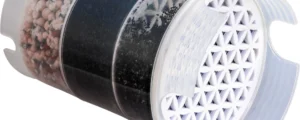
Activated carbon filters filter pollutants from water through activated carbon. Such a filter works well to remove chlorine, lead, and other contaminants from the water source.
Reverse osmosis filters filter water through a semi-permeable membrane to filter impurities. This filter does a wonderful job of getting rid of various contaminants, such as lead, pesticides and more.
Water filters made of ceramics purify water. This filter works very well to kill bacteria and other microbes and can be great for homes with bad water quality.
The Impact of a Water Filter on Your Home
Having the right water filter can do big things for your home. Keeping your water clean and safe can bring you and your family healthier. Furthermore, by using a water filter you will also avoid the environmental impacts of producing and shipping bottled water, and save you money compared to buying bottled water.
The Importance of Regular Maintenance for Your Water Filter
Regular maintenance is essential to ensure that your water filter continues to provide clean and safe water. Some of the key maintenance tasks that should be performed on your water filter include:
- Changing the filter: The filter in your water filter will need to be changed periodically to ensure that it continues to effectively remove contaminants from your water.
- Cleaning the filter: Regular cleaning can help to extend the life of your water filter and ensure that it continues to provide clean and safe water.
- Monitoring water quality: Regular monitoring of water quality can help to ensure that your water filter is working effectively and that your water is free of harmful contaminants.
The Different Types of Water Filters
There are a variety of water filters available on the market, each designed to remove different contaminants and impurities from drinking water. It is important to understand the different types of water filters and their strengths and weaknesses in order to choose the right filter for your home. Some filters, like activated carbon filters, excel at removing chlorine and improving taste, while others, such as reverse osmosis systems, are effective at eliminating a broader range of contaminants, including heavy metals. For those looking for comprehensive information on various options, a best big water filters review can provide valuable insights, helping consumers make informed decisions based on their specific needs. Understanding these factors will ultimately contribute to ensuring safe and clean drinking water for you and your family.
Some of the most common types of water filters include activated carbon filters, reverse osmosis filters, and ceramic filters. Activated carbon filters are highly effective at removing chlorine, lead, and other contaminants from drinking water. Reverse osmosis filters are highly effective at removing a wide range of contaminants, including lead, pesticides, and other harmful substances. Ceramic filters are highly effective at removing bacteria and other microorganisms from drinking water.
The Advantages and Disadvantages of Different Types of Water Filters
Each type of water filter has its own unique advantages and disadvantages, and it is important to understand these when choosing a filter for your home. Activated carbon filters are highly effective at removing certain contaminants, but they may not remove all contaminants. Reverse osmosis filters are highly effective at removing a wide range of contaminants, but they may require more maintenance and may be more expensive. Ceramic filters are highly effective at removing bacteria and other microorganisms, but they may not remove certain contaminants.
The Financial Benefits of Investing in a High-Quality Water Filter
In addition to the health and quality of life benefits of investing in a high-quality water filter, there are also financial benefits to consider. Some of the financial benefits of investing in a high-quality water filter include:
- Reduced costs of bottled water: Investing in a high-quality water filter can reduce the need for bottled water, saving you money on water costs.
- Reduced costs of health care: Consuming clean and safe water can help to reduce the risk of health problems, potentially saving you money on medical bills and other healthcare costs.
- Increased home value: A high-quality water filtration system can be seen as a valuable addition to your home, potentially increasing its value.
The Importance of Regular Testing of Drinking Water
In order to ensure that your water filter is providing clean and safe drinking water, it is important to regularly test your drinking water. Regular testing can help you to identify any contaminants or impurities in your water, and can help you to determine whether your water filter is functioning effectively.
There are a variety of water testing kits available on the market, including kits for testing water pH, chlorine levels, and lead levels. It is important to choose a testing kit that is appropriate for your needs and to follow the manufacturer’s instructions for testing.
The Benefits of Installing a Whole-House Water Filter
In addition to installing a water filter for drinking water, it is also possible to install a whole-house water filter. A whole-house water filter provides filtered water for all uses in your home, including drinking, cooking, and bathing.
Whole-house water filters offer a number of benefits, including improved water quality throughout your home, reduced need for multiple water filters, and increased convenience. To ensure that you are choosing the right whole-house water filter for your home, it is important to consider your specific needs and the quality of your home’s water supply. Additionally, whole house filters benefits for well water are particularly significant, as they can effectively remove contaminants that are commonly found in untreated ground water. This not only ensures better tasting and safer water for drinking and cooking but also protects your appliances and plumbing from potential damage caused by impurities. Ultimately, investing in a whole-house water filter can lead to long-term savings and a healthier home environment.
What to Consider When Choosing a Water Filter
When choosing a water filter, there are several factors to consider, including:
- The type of contaminants that need to be removed
- The size of the filter and its compatibility with your home’s plumbing
- The cost of the filter and the cost of replacement filters
- The overall quality and durability of the filter
To ensure that you are choosing a high-quality water filter that meets your needs, it is important to do your research and compare different options before making a purchase. Consider the specific contaminants you need to address, as different filters target various impurities. Additionally, understanding the benefits of well water filters can help you appreciate their role in improving water quality and safety. Take the time to read reviews and seek recommendations to ensure you invest in the right product for your household.
The Importance of Proper Installation and Maintenance of Water Filters
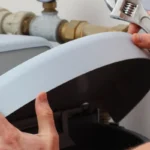
If you want to make sure your water filter is giving you filtered water that is safe to drink, you must install and clean your filter correctly. Installing and maintaining them in the right way can make sure your filter stays running efficiently and you have clean, safe drinking water.
To use your water filter, install it according to the directions on the label, change the filter regularly and test your drinking water frequently to make sure that the filter is in proper working order.
Share this on social media:
Facebook
Twitter
LinkedIn

Related Posts