Benefits of Choosing a Water Filtration System for Your Home
- Published:
- Updated: December 16, 2024
Listen to this article
Summary
A water filtration system offers various health, environmental, and economic benefits, ensuring access to clean and safe drinking water at home.
- Health Protection: Removes contaminants like lead, chlorine, and bacteria, safeguarding against health issues and ensuring safe drinking water.
- Taste and Quality Improvement: Enhances the taste and odor of tap water by eliminating chlorine and impurities, providing clearer and better-tasting water.
- Environmental Impact: Reduces plastic waste from bottled water and decreases carbon footprint, contributing to environmental conservation.
Selecting the right water filtration system based on water quality, household needs, and budget ensures long-term benefits for your family’s health and the environment.

Drinking water that is clean and safe is a necessity for health and wellbeing. Even in the midst of water treatment works, the tap water that enters our houses can still contain contaminants like lead, chlorine, bacteria and even medications. That is where a water filtration system comes into the picture as it eliminates all of these contaminants to deliver pure and safe water to your family.
Health Benefits of Using a Water Filtration System in the Home
Contaminants in tap water can cause all sorts of ills including intestinal problems, skin irritation, and even lethal diseases. These contaminants are taken out by a water filter and make sure the water you and your family are drinking is pure and free of damaging pollutants.
The most frequent water source is chlorine, which is pumped into water at the time of treatment to kill bacteria and other noxious microorganisms. Exposure to chlorine for a long time can result in skin irritation, respiratory illness, and even cancer. With a water filter you can clean your tap water of chlorine that might lead to such diseases.
Another of the contaminants in tap water is lead, and it’s a health risk, particularly for children and pregnant women. Lead is toxic, developmental, behavioural, even cause life-threatening disorders such as anaemia and kidney failure. Filtration: A water filtration system can clean lead from your drinking water, leaving your family with clean water.
There are also bacteria and viruses in the tap water, which can lead to very serious diseases like intestinal infections, food poisoning, and even fatal illness such as cholera and typhoid fever. Water filtration can get rid of these contaminants and supply your family with safe drinking water.
Improving the Taste and Quality of Drinking Water

Even your tap water will improve in flavour and quality through a water filter. The taste and odour of faucet water can be bad because it contains chlorine, making it unpleasant to drink. A water filtration system gets rid of chlorine and other contaminants, so that your tap water tastes and smells better.
Contaminants can also make your drinking water sludgey and yellowish. A water filter will filter away these contaminants to give you crystal-clear water that is safe to drink, but also beautiful to look at and taste.
Removing Contaminants from Tap Water
Water filtering is the first task of a water filter to filter away lead, chlorine, and bacteria from the drinking water. A good water filtration system will take away these contaminants and provide your family with pure drinking water.
The metal lead is extremely toxic, which you will find in the tap water if you live in an old house with lead pipes. A water filter system with a lead filter will purify your tap water of lead, so you can get safe and clean water for your family.
The tap water is treated with chlorine, which kills bacteria and other microorganisms. Chlorine is harmful to health over time, as we have seen above. Chlorine removal filters are a chlorine water filtration system that will clean the chlorine from your tap water, so you get clean water.
In tap water there are also bacteria and viruses, which if left untreated can be disastrously harmful to your health. A water filtration system with a bacteria and virus filter can effectively purge these contaminants, leaving your water for yourself and your family to consume that’s safe and free of microorganisms.
Water Filtration System vs. Water Softener
Water filtration systems and water softeners are two types of equipment that will treat your water. They are both superior in their own ways, but you need to know what the difference is so you can decide which is the best system for your house.
A water filtration system cleans your water from lead, chlorine and bacteria from the tap to deliver pure, safe water. a water softener is the process of softening tap water so that it’s not as brittle with minerals like calcium and magnesium, and won’t damage appliances and pipes.
If the first thing that bothers you is the amount of dirt or scum that exists in your tap water, a water filter is the solution for you at home. If you are hard water customer and having issues like mineral deposits in the pipes and your appliances, water softener may be for your property.
Impact on the Environment and Reduction of Plastic Waste
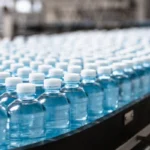
A water filtration system is good for the environment, too. Selecting a water filtration system means that you won’t need to buy plastic bottled water and become part of the plastic slumber.
Plastic bottled water is not only energy and resource intensive to manufacture, it also creates tonnes of plastic waste that can take hundreds of years to degrade. Choose a water filtration system to save your carbon footprint and conserve our planet.
Maintenance Requirements and Replacement Frequency
The maintenance on your water filtration system will depend on which system you have and how much better the water in your tap is. Some systems need to be refilled on a frequent basis, others only on occasion.
Your water filtration system should be checked frequently and replaced on an annual basis to make sure that it is in working order and serving you with fresh and safe water for your family. Change filters each 3 to 6 months, depending on what kind of system you have and how good the tap water is.
Costs Associated with Installing and Maintaining a Water Filtration System
Installation and service costs for your water filtration system are a good estimate for your home size, as well as what type of system you’ll need. An entry level water filter costs about $100-$500, and an advanced one upwards of $1,000.
Maintenance on a water filter system will include replacement filters which costs anywhere from $20 to $50 depending on the filter type and number of times you replace it. The maintenance costs should be included in your decision of which water filtration system you should install at home.
How a Water Filtration System Can Benefit Your Home's Plumbing System
Even a water filtration system can help your plumbing system. – Hard minerals like calcium and magnesium found in tap water cause mineral deposits and clogs in your pipes that lower the efficiency of your plumbing system and harm your appliances.
Filtering water filters these hard minerals from your tap water, so mineral deposits won’t cause blockages in your pipes. This can lead to better water flow and efficiency of your plumbing system, and a more long life for your appliances and plumbing.
Additionally, a water filtration system will save you on soap and detergent to clean and wash with, since the hard minerals can be removed making soap lather up better and clean better. This saves not only money on cleaning chemicals, but also reduces the amount of toxins released into the environment.
If you decide to buy a water filtration system for your home, not only will it help maintain the quality and safety of your drinking water, but you’ll be helping your home’s plumbing and the environment as well.
Choosing the Right Water Filtration System for Your Home
Since there are several types of water filtration system available, you might not be able to narrow down which one is the best one for your home. You should also take into account the water quality and household usage of your water to determine which one is the right one.
Get your tap water tested for any toxins, or for hardness of the water. You can then use these details to see which water filtration system would work best for your home and get the best product for your money.
The size of your house, the number of people in your home, and what kind of contaminants are in your tap water all impact which type of filtration system you use. On the basis of these, you will be able to select a system that is appropriate for your house and gives you pure drinking water.
What you also want to choose is a system that is quick and easy to install and keep up, and is within your price range. There are some water filtration systems that must be professionally installed and others that can be installed by the homeowner. Consider your experience and the cost of professional installation before you choose a system.
There are a lot of reasons to buy a water filter for your home such as healthier, fresher tasting water, and an environment friendly one. Just take your home’s water quality and household requirements into account and pick the correct water filter for your home, so you can drink safe water for years to come.
Share this on social media:
Facebook
Twitter
LinkedIn

Related Posts