Advancements in Water Testing Technology: What You Need to Know
- Published:
- Updated: December 16, 2024
Listen to this article
Summary
Advancements in Water Testing Technology:
Portable Testing Devices: Portable devices allow for quick field testing, enhancing accessibility and enabling rapid assessment of water quality.
Real-Time Monitoring: Real-time systems enable prompt identification of issues, facilitating timely intervention and improved management of water resources.
Automated Testing Systems: Automation streamlines testing processes, reducing human error and providing faster, more accurate results.
Improved Sensors: Enhanced sensor technology detects trace contaminants, improving accuracy and reliability in water testing.

Water testing is an essential part of making sure that our water is safe and quality. In the development of this technology we have access to better, more exact, and more accurate water testing methods. But we have to know the pros and cons of these new technologies, so we can harness the power of these technologies and address the downsides.
The Importance of Water Testing
We need water testing to check if the water we are drinking is safe and for what purposes do we need water to be used in farming and industry? Moreover, water testing also determines if the water is contaminated by bacteria, viruses and contaminants.
We also use water testing to keep track of the health of the aquatic ecosystems, because water quality can tell us many things like pH, dissolved oxygen, nutrients and pollutants. That’s information you need to regulate water resources and safeguard the environment.
What are the Advancements in Water Testing Technology?
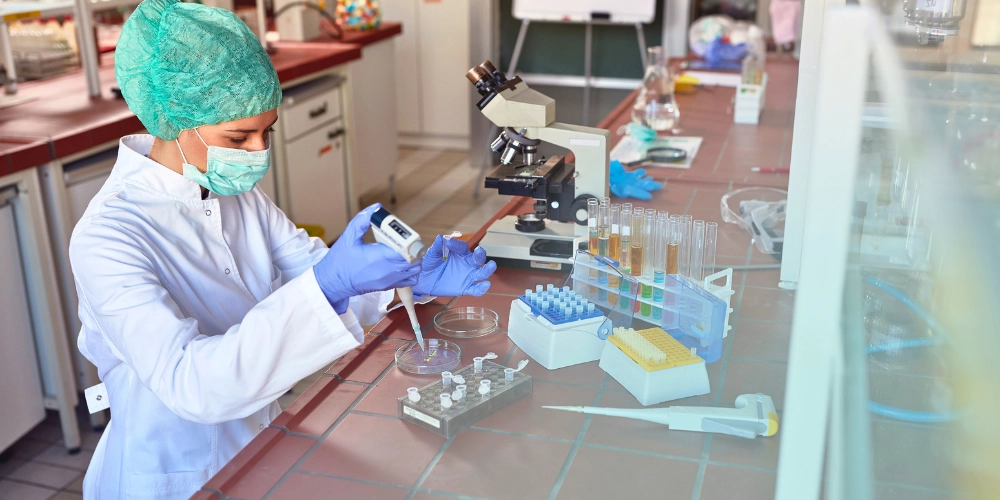
There have been many advancements in New York water testing technology in recent years, and these developments are helping to improve the accuracy, speed, and reliability of water testing. Some of the latest advancements in water testing technology include:
- Portable Testing Devices: Portable water testing devices are becoming increasingly popular, as they allow for quick and easy testing of water quality in the field. These devices can be used to test for a variety of parameters, including pH, dissolved oxygen, and the presence of contaminants.
- Real-Time Monitoring: Real-time monitoring of water quality is becoming increasingly important, and new technologies are making it possible to monitor water quality in real-time. This can help to quickly identify potential issues and take appropriate action to address them.
- Automated Testing Systems: Automated water testing systems are becoming more common, and they can help to streamline the water testing process and reduce the risk of human error. These systems can be programmed to test for specific parameters, and they can provide quick and accurate results.
- Improved Sensors: Improved sensors are helping to improve the accuracy of water testing, and they can detect even trace amounts of contaminants. These sensors can be used in real-time monitoring systems, as well as in portable testing devices.
The Benefits of Advancements in Water Testing Technology
Advancements in water testing technology are offering numerous advantages for ensuring water safety and quality. New technologies are providing improved accuracy in identifying potential health risks and ensuring that water is safe for consumption. Furthermore, faster water testing results are available, allowing for quick identification of issues and prompt action to address them.
What are the Challenges in Water Testing Technology?
The benefits of water testing technology are numerous, but there are also some challenges that must be addressed. One such challenge is the cost of water testing technology, which can be a barrier for communities in developing countries. Another challenge is access to water testing laboratories, which can be limited in some areas, making it difficult to obtain accurate and reliable test results.
Regular calibration and maintenance of water testing equipment is also necessary to ensure accurate results, but this can be a challenge in some communities. Interpreting water test results is complex and requires specialized knowledge and training, which can be a challenge for communities in developing countries. Finally, some water testing technologies may only be able to test for a limited number of parameters, making it difficult to determine the overall quality of water.
The Future of Water Testing Technology
The future of water testing technology is exciting, and there is great potential for further advancements that can help to improve the accuracy, speed, and reliability of water testing. Some of the areas where there is potential for future advancements include:
- Miniaturization: Miniaturization of water testing technology can make it more portable and accessible, allowing for more widespread testing and monitoring of water quality.
- Increased Sensitivity: Increased sensitivity of water testing technology can allow for the detection of even trace amounts of contaminants, providing more accurate results.
- Automation: Automation of water testing technology can help to streamline the testing process and reduce the risk of human error, providing more consistent results.
- Integration with Environmental Monitoring Systems: Integration of water testing technology with environmental monitoring systems can provide a more comprehensive picture of water quality and the health of aquatic ecosystems.
The future of water testing technology is bright, and continued advancements in this field will play a critical role in ensuring that water is safe for consumption and that the environment is protected for future generations.
The Role of Governments in Promoting Water Testing Technology
This is where governments come into the game, with funding to do the research and development and water testing campaigns. Water quality can also be controlled by governments to monitor that water testing is meeting the correct criteria for health and environment. Additionally, governments can collaborate with international agencies to train and assist communities in the developing world so they get the most recent water testing technologies.
Share this on social media:
Facebook
Twitter
LinkedIn

Related Posts