Understanding Common Contaminants in Private Well Water
Private wells are vulnerable to contamination from various sources. Runoff, agricultural activities, and natural seepage can introduce harmful substances. Microorganisms such as E. coli, Salmonella, and protozoa can infiltrate undetected. Viruses, though invisible, pose significant threats to drinking water safety.
Families may believe clear water is always safe, but pathogens can remain hidden. A chemical-free solution effectively combats these threats. It does so without altering the water’s taste or smell. This solution complements regular testing and helps mitigate risks from aging infrastructure or unpredictable weather.
Well owners can adopt proactive measures such as disinfecting systems and monitoring water sources.
Contaminant | Origin | Impact |
Bacteria | Agricultural runoff | Gastrointestinal illness |
Viruses | Human or animal waste | Infections affecting digestion |
Protozoa | Soil and water infiltration | Severe GI disorders |
Clarifying the Role of Water Testing
Ensuring clean drinking water starts with regular checks that uncover hidden dangers. Many homeowners turn to testing to determine if they need ultraviolet disinfection and to ensure well water safety. Lab tests can spot harmful organisms like coliform or E. coli, signaling the need for enhanced protection.
Identifying microbial threats early can avert serious health issues. Test outcomes often dictate the final disinfection steps, giving peace of mind to those reliant on private wells. Regular sampling increases the likelihood of detecting changes due to weather or nearby construction.
Frequency of Testing
Local guidelines suggest annual evaluations, but some prefer more frequent checks. Storms and seasonal changes might necessitate repeated testing. Vigilance in monitoring well water safety is key.
Professional vs. DIY Kits
DIY test kits provide quick signs of bacterial presence. Expert services, on the other hand, offer in-depth analysis revealing subtler contaminants. Many opt for professional analysis to confirm DIY findings and avoid missing critical signs.
The table below compares common testing choices:
Testing Method | Main Benefit | Consideration |
DIY Kits | Convenient sampling process | Less detailed than lab results |
Professional Lab | Comprehensive data | More accurate but requires extra time |
Why Purification Matters for Rural Communities
Rural properties often depend on private wells for their water needs. The absence of large treatment facilities in these areas puts a heavy burden on families. They must manage their own water safety, facing challenges from agricultural runoff or septic seepage.
This situation heightens the risk of bacterial contamination, posing health hazards to communities. Opting for UV water purification gives homeowners peace of mind. It ensures their wells meet high standards without the need for harsh chemicals. This method effectively targets harmful microorganisms, leading to cleaner drinking water.
Communities in remote areas prioritize sustainable methods to preserve their ecosystems. Families who adopt modern purification systems experience fewer issues related to contaminated sources. Their focus is on maintaining personal health and the environmental well-being of their local ecosystems.
Key Aspect | Benefit |
Reduced Chemical Use | Minimizes environmental impact |
Effective Microbial Control | Addresses bacteria and viruses |
Exploring UV Light as a Modern Disinfection Method
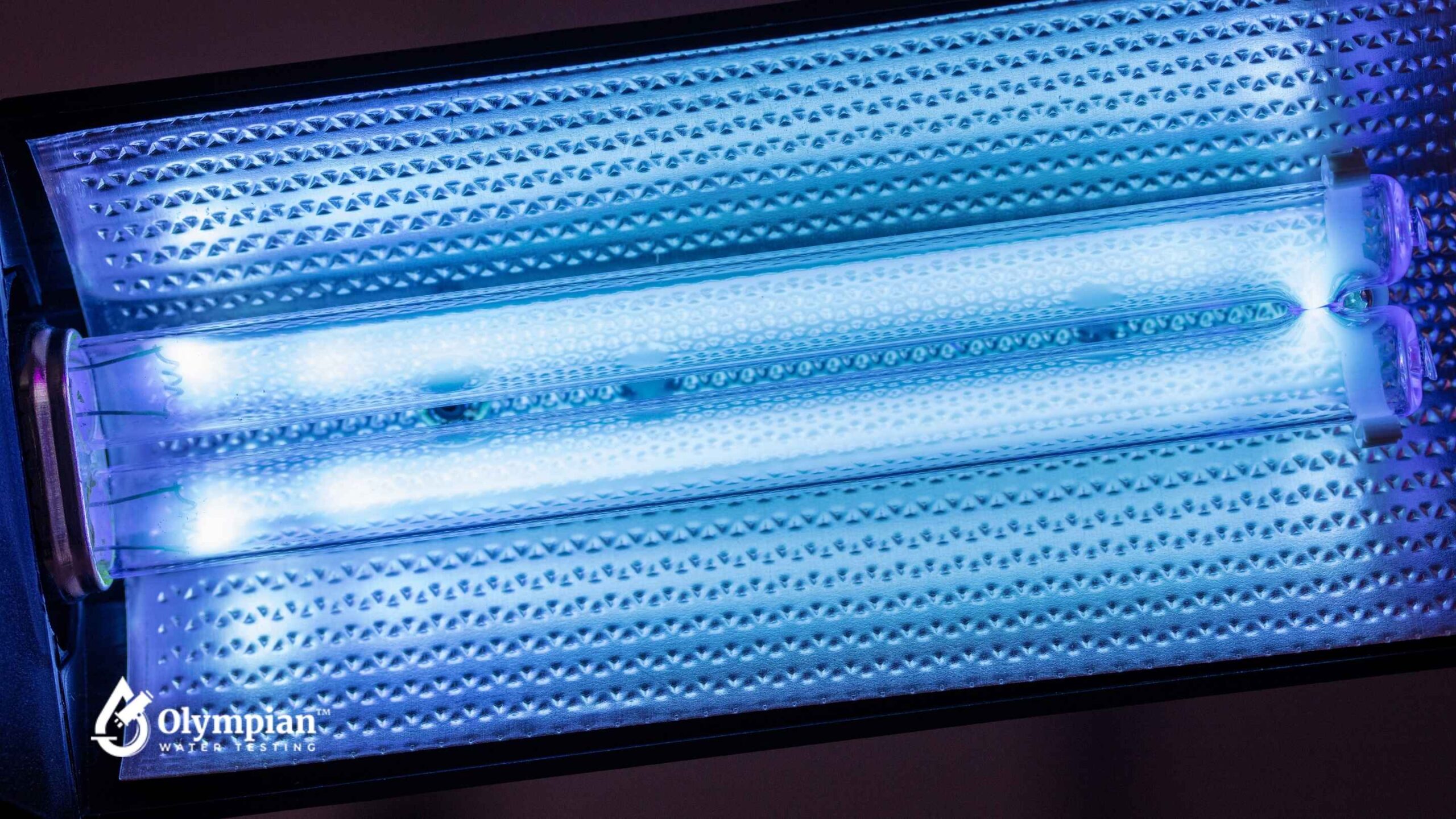
Ultraviolet treatment has become popular among private well owners. It offers a gentle way to enhance water quality. A specialized lamp emits powerful rays that render pathogens harmless. This method ensures drinking water safety without changing its taste, color, or odor.
How UV Rays Target Microorganisms
UV energy damages the DNA inside bacteria, viruses, and protozoa. This damage prevents them from multiplying. As a result, they no longer pose a health risk. This approach eliminates the need for chemicals, promoting a natural path to safe drinking water.
Compatibility with Existing Systems
A UV unit can easily connect with other well treatments. This includes sediment filters and carbon filters. It complements these setups by targeting microscopic contaminants that standard methods might miss. This integrated design offers a reliable solution for homeowners aiming to protect their families and maintain water quality.
Key Features of a UV Light System
UV well water systems consist of four essential parts that work together. Each component is vital, ensuring water is free from harmful microorganisms while maintaining clarity.
The core components include a UV lamp for intense germicidal light and a quartz sleeve to protect it from liquid. A power supply ballast regulates energy, and a sturdy chamber guides water flow. This setup guarantees effective treatment for private wells.
“The Centers for Disease Control and Prevention recommends long-term disinfection strategies to keep contaminants at bay.”
A sediment pre-filter is often added before UV well water systems. It removes visible particles that could shield bacteria or viruses from light. This simple step enhances the effectiveness of disinfection, ensuring safer, cleaner drinking water for the home.
Performance Factors that Impact UV System Efficiency
Water clarity and mineral content can affect UV system performance. Clear paths for UV radiation are essential. Any particles or minerals must be managed to prevent interference. For a reliable solution, visit UV disinfection systems to explore available options.
Water Pretreatment Requirements
Removing debris ensures all water gets enough UV exposure. Clean filtration often involves sediment removal or softening. These steps help counter turbidity and keep UV rays effective against bacteria.
Flow Rate Considerations
Each system has a maximum capacity. Water flow through the UV unit must be controlled. This allows UV rays to penetrate cells effectively. Operators monitor flow rate and adjust as needed for consistent performance.
Lamp Maintenance Schedule
UV lamps maintain intensity for a limited time. Replacements are usually done annually to ensure reliability. Glass sleeves may also need cleaning or replacement. Adhering to this schedule is key for long-term disinfection effectiveness.
Health and Safety Advantages of UV Treatment
Ultraviolet disinfection is a common choice for households aiming for pure drinking water. It effectively kills 99.99% of microorganisms, ensuring water quality isn’t compromised. This method is vital for families relying on private wells, protecting against harmful germs like Cryptosporidium and Giardia.
“The CDC recommends effective disinfection methods to maintain safe water, highlighting the importance of reducing harmful pathogens before they reach the tap.”
Ultraviolet disinfection is a standout for its physical approach, not altering water taste or creating harmful byproducts. It maintains natural minerals, reducing risks from bacteria, viruses, and protozoa. This method is safe for children, pets, and the environment, with no risk of overdosing.
This treatment is ideal for those avoiding chemicals, safe for septic systems and pipes. It ensures well water remains pristine, providing long-term peace of mind.
Differentiating UV Light from Chemical Disinfectants
Well owners often compare ultraviolet treatment to traditional additives for water disinfection. UV uses focused light to neutralize microorganisms, unlike harsh chemicals.
Chlorine users might notice strong flavors or lingering odors. UV, on the other hand, preserves water’s natural taste. It also avoids producing byproducts linked to extra handling or storage.
This chemical-free solution is perfect for households wary of managing chemicals. It effectively kills bacteria and viruses without changing the water’s taste.
Choosing this method enhances safety and clarity in water. UV ensures reliable performance, appealing to those who value water’s original character.
Aspect | UV Light | Chemical Disinfectant |
Taste | Preserves natural flavor | Can alter smell or taste |
Residue | No residuals | Possible byproducts |
Handling | Simple lamp maintenance | Requires chemical storage |
Additional Methods to Enhance Well Water Quality
Clean water demands a multi-faceted approach. By combining sediment or carbon filters with UV water purification, we create a robust defense. This strategy targets particles and microbes that could threaten a private well.
Dependence on a single method can leave some impurities unchecked. A multi-stage system, on the other hand, effectively combats chemical contaminants, odors, and microorganisms. It ensures a more thorough purification process.
Sediment Filtration
Systems from Pentair or Culligan excel at capturing sand, silt, and rust. These elements can shield bacteria from UV light, making sediment removal critical. It enhances the effectiveness of UV water purification.
Carbon Filtration
Activated carbon filters are adept at removing volatile compounds, chlorine byproducts, and various chemicals. They also tackle unpleasant odors that can affect taste. Pairing carbon filtration with UV water purification offers a formidable solution to water safety issues.
Cases Where UV Light Shines: Examples of Well Success
Rural families often face unexpected bacterial contamination in their private wells. Heavy rainfall or local flooding can trigger microbial spikes, putting entire households at risk. UV light treatments offer targeted disinfection, reducing chemical exposure. This method protects families from recurring water hazards, ensuring vital health standards are met.
Many well owners choose trusted brands like Trojan or Pentair for reliable pathogen control. These systems ensure consistent drinking water safety, building trust in every glass consumed.
- One household overcame repeated coliform spikes by installing a system during storm season.
- A homeowner found relief after E. coli infiltration caused boil notices in the past.
Each scenario highlights the importance of drinking water safety for families seeking dependable water management.
Challenge | Result |
Flood-Induced Bacteria | Stronger microbial defense |
Recurring Boil Notices | Peace of mind year-round |
Myths and Misconceptions about UV Light
Many people are unsure about UV technology for home water treatment. They worry about taste changes and upkeep. Yet, science proves UV units don’t use chemicals or complex methods. They use light to kill microbes at their core, leaving water unchanged.
UV Doesn’t Affect Taste
UV rays don’t cause chemical reactions with microbes. This means water’s taste, color, and smell stay the same. Studies show UV disinfection only targets living contaminants, keeping water fresh and flavorful.
UV Light Is Easy to Maintain
UV systems require an annual lamp replacement and occasional sleeve cleaning. A steady power source and regular checks ensure they work well. It’s a simple choice for home water treatment, providing peace of mind and a hassle-free routine for well owners.
Guidelines for Choosing the Right UV System Provider
Reliable service is key to well water safety. Reputable providers ensure each system is sized correctly. They consider flow rate, water chemistry, and household needs. Professional teams guide homeowners through pretreatment options and prevent undersized setups.
This proactive approach leads to healthier water and greater peace of mind. It ensures water quality is maintained.
Reviews and certifications show a company’s track record. Experienced suppliers verify parts quality and offer post-installation support. A clear warranty policy is essential for protecting buyers against malfunctions. Readers can learn how to size a UV system to meet their needs precisely.
- Check consumer feedback for product reliability.
- Look for well-established expertise in UV systems.
- Confirm component authenticity and strong warranties.
- Seek ongoing service for lamp replacement or troubleshooting.
Essential Trait | Reason to Value It |
Certified Components | Helps ensure rigorous safety standards |
Responsive Support | Facilitates timely repairs and maintenance |
Final Thoughts on Embracing Advanced Well Water Solutions
These solutions are a strong defense against microbes in private wells. They employ targeted light to neutralize bacteria, viruses, and other harmful organisms. A combination of UV with sediment or carbon filtration can tackle various contaminants. Softening methods can also be added to address water hardness issues.
The National Ground Water Association recommends regular testing to ensure water remains pure. Homeowners can maintain their systems by scheduling lamp inspections and replacing parts as needed. Seeking expert advice for complex water problems is also advisable. This proactive approach ensures UV well water systems operate efficiently, providing families with safe, clean water for years.
FAQ
How does UV disinfection protect private well water without chemicals?
Ultraviolet (UV) technology employs a germicidal wavelength (around 254 nm) to inactivate microorganisms by disrupting their DNA. This method ensures water remains chemical-free. It retains its natural taste and odor, unlike chemical treatments.
Why is routine water testing so important before installing a UV system?
Private wells are not treated by municipalities, making regular testing essential. It helps detect microbial contamination from bacteria, viruses, or protozoa like Giardia. Annual or seasonal checks, after agricultural runoff or flooding, confirm the system’s effectiveness.
Can UV systems address heavy metals and other non-microbial contaminants?
UV disinfection focuses on neutralizing biological pathogens. To remove particles, VOCs, or heavy metals, sediment and carbon filters may be necessary. A multi-stage setup offers a complete solution for safe drinking water.
What role does flow rate play in UV system efficiency?
Flow rate affects how long water is exposed to the UV lamp. High flow rates can reduce contact time, allowing microorganisms to survive. Choosing the right flow rate ensures consistent and effective disinfection.
Do UV lamps require frequent maintenance or replacement?
UV lamps gradually lose intensity over time. Most manufacturers suggest replacing them annually. Regular cleaning or replacement of the quartz sleeve is also recommended. This prevents a decline in disinfection performance.
Will UV exposure alter the taste or color of well water?
UV treatment does not change water’s taste, appearance, or odor. It uses a physical process, unlike chemical treatments. This makes it ideal for those seeking protection against microorganisms without affecting flavor.
How does a pre-filter support a UV setup?
A sediment filter and, in some cases, a carbon filter remove larger particles and organic matter. This shields bacteria or protozoa from UV light. Improved water clarity enhances UV disinfection effectiveness.
What if well water tests reveal significant contamination beyond microbes?
In cases of heavy metals or chemical pollutants, additional treatments may be needed. UV remains valuable for targeting microorganisms. A complete system ensures broader water quality management.
Are UV systems suitable for rural communities with minimal oversight?
Yes. Private wells in rural areas face higher contamination risks due to agricultural runoff and natural seepage. UV disinfection provides a reliable, chemical-free defense against pathogens like E. coli and Salmonella. It helps families maintain safe water at home.
How can homeowners choose a reputable UV system provider?
Look for recognized certifications (e.g., NSF, UL), read product reviews, and confirm the company’s expertise in well water treatment. Providers that offer professional testing advice and proper system sizing ensure efficient, long-lasting UV protection.