
Historical Origins of Bronx Water Quality
In the early 1900s, public health initiatives turned to chlorine as a disinfectant. This marked a significant shift in how communities viewed water safety. The rapid development near the Bronx and Harlem Rivers led to contamination, raising concerns about impurities in residential water. This period taught residents the value of preventive measures against these risks.
The growth of industry brought historical pollution in the Bronx, necessitating stronger protective measures. As the borough’s population expanded, the government sought to enhance municipal water treatment methods. The aim was to decrease illness rates. Later, stricter standards were introduced, influencing modern filtration and monitoring practices.
Regulatory bodies soon realized that these efforts needed ongoing improvement. This led to the establishment of regulations that continue to shape water management today.
Early Challenges Shaping Local Water Safety
The Bronx faced numerous hazards early on, jeopardizing its water sources. Factories released toxins that persisted in the environment, sparking concerns over water safety.
Industrial Pollutants Impact
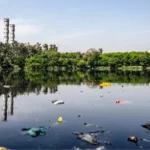
Urban mills and refineries emitted pollutants that contaminated waterways. This pollution harmed aquatic life and raised public health concerns. Chemicals like PCBs stayed in sediment for years, posing ongoing threats to community health.
Infrastructure Limitations
Old sewer systems caused combined overflows during heavy rains. Untreated wastewater flowed into rivers, polluting habitats and increasing disease risks. In response, city engineers started planning upgrades to alleviate pipeline strain and protect daily life.
Historic Factor | Implication |
Refinery Byproducts | Hazardous runoff into local streams |
Outdated Pipes | Frequent leaks and contamination events |
Minimal Oversight | Sporadic testing and delayed improvements |
Evolving Technologies for Cleaner Water
Modern practices now extend beyond basic chlorination, aiming for a more complete safety approach. Ultraviolet light treatments and ozonation effectively combat bacteria, viruses, and contaminants. This method avoids the drawbacks of heavy chlorine use. As a result, regulators and local facilities focus more on disinfection byproducts, sparking a broad interest in water quality testing.
Many homeowners turn to filtration solutions that use solid activated carbon blocks for enhanced protection. These blocks provide extended contact time, capturing microscopic particles and reducing unwanted odors. With the introduction of new substances into local supplies, there’s a growing need for frequent water quality testing. This ensures timely detection and mitigation of risks. Organizations like the Environmental Protection Agency support advancements in treatment stages, leading to safer resources and increased public trust. Thanks to advanced filtration solutions, communities can stay updated on the hidden factors affecting their drinking water.
Addressing Common Contaminants
Knowing what substances enter our tap water is key to staying safe. Chlorine is a strong tool against bacteria, but it can also create unwanted byproducts. Keeping an eye on chlorine levels in Bronx water is critical. Changes in concentration could lead to harmful reactions.
Hexavalent chromium is another danger, linked to severe health issues. This highlights the need for thorough testing and proper filtration. Homeowners turn to advanced technologies, while public officials push for regular inspections. Simple steps, like checking municipal reports, keep communities alert.
Impact on Public Health
Untreated water can cause everything from skin issues to serious organ damage. Health experts emphasize the importance of regular monitoring to ward off chronic diseases. They believe constant oversight is the best defense against major illnesses. Environmental agencies and local leaders are working together to implement targeted solutions.
Regulatory Milestones and Enforcement
Federal guidance has been instrumental in managing toxins and safeguarding neighborhoods. Local efforts complement national mandates, ensuring contaminants are kept at bay. This clarity on legal duties has led to enhanced safeguards and consistent oversight.
The Safe Drinking Water Act marked a significant turning point, compelling cities to enhance testing and eliminate threats. State advisories promote cautious practices, advising on safe fish consumption and other daily risks. Continuous monitoring meets the public’s need for transparency, raising awareness through clean water campaigns.
Fines and strict protocols align with EPA water standards, driving ongoing improvements in both urban and rural areas. Inspectors ensure accountability, motivating local leaders to collaborate. These efforts build trust among residents, who rely on stringent regulations for their long-term health and well-being.
Year | Regulation | Key Outcome |
1974 | Safe Drinking Water Act | Stricter oversight of harmful substances |
1986 | Key Amendments | Expanded testing for emerging threats |
Today | State-Level Advisories | Higher vigilance for localized concerns |
Recognizing the Importance of Water Testing in the Bronx
In the Bronx, regular water checks are essential for residents. Some pollutants, like metals and disinfection byproducts, are invisible and odorless. This makes water testing a vital tool for uncovering hidden dangers and safeguarding household health.
Home Testing Kits
At-home testing kits are a good starting point. They often use simple devices, such as TDS meters, to measure basic water parameters. While these tools can spot unusual readings, they might miss certain substances, including bacteria. For a more detailed analysis, additional tools or specialized test strips are usually needed.
Professional Water Analysis
Certified professionals conduct more extensive tests, detecting a broader range of contaminants. Their detailed reports cover everything from heavy metals to pathogens. This thorough approach ensures a complete understanding of water quality. It empowers families to make informed decisions about water treatments, boosting confidence in their tap water.
Modern Testing Methods and Home Solutions
Lab services and DIY kits have become more precise, enabling individuals to detect contaminants. Advanced technologies in professional labs can spot tiny amounts of chemicals or metals. Home test strips and digital meters offer a simple way to monitor water quality, providing immediate feedback.
Experts suggest comparing test results with Environmental Protection Agency guidelines. This helps understand risks and make informed choices. Some opt for municipal water treatment programs alongside these methods. The choice often depends on cost, convenience, and the need for quick action.
Interpreting Test Results
Lab reports show which substances exceed safety limits. Effective filtration solutions, like reverse osmosis and carbon-based systems, target specific pollutants. It’s essential to understand the results to choose the right system.
“Testing water quality is an ongoing responsibility that benefits public health.” — U.S. Environmental Protection Agency
When comparing methods, consider accuracy, cost, and ease of use. Each has its own advantages.
Testing Method | Benefit | Approximate Cost |
Lab Analysis | Comprehensive detection | $50 – $250 |
Home Kits | Quick overview | $10 – $40 |
Community Engagement and Public Awareness
Neighborhood coalitions and nonprofits are vital in boosting water safety. They organize town halls, distribute educational materials, and back clean water campaigns. Volunteers share knowledge on filtering and wellness, tackling public health considerations.
These groups empower residents with data on water distribution. They urge people to question municipal services and demand answers on contaminants. This collective action fosters trust in local infrastructure.
“Through shared responsibility and informed choices, communities can transform water challenges into opportunities,” said a representative from the Natural Resources Defense Council. “Active involvement ensures reliable resources for current and future generations.”
Local partnerships lead to united efforts in river cleanups and educational events. This hands-on approach boosts vigilance and fosters new alliances for safer water in the Bronx.
Comparisons of Past and Present Challenges
Decades ago, the Bronx faced significant pollution from local factories and waste sites. Stricter regulations have helped mitigate many of these hazards. Yet, recent data shows that remnants of pollution continue to impact daily life. The introduction of new strategies has shown the effectiveness of ongoing oversight and research.
Today, the Bronx’s water safety is ensured through regular monitoring, advanced treatment systems, and thorough inspections. The sources of contamination have evolved, necessitating modern solutions to manage aging infrastructure and unpredictable runoff. Experts are continually refining guidelines to safeguard residents who depend on this essential resource.
Success Stories and Remaining Gaps
* Improved treatment plants now significantly reduce heavy metals and other toxins from earlier times. * Community-led initiatives have successfully tackled nutrient loads, resulting in cleaner waterways and safer habitats.
Despite significant progress, certain threats remain. The interaction of disinfection chemicals with dissolved materials creates new challenges. Experts advocate for continued investment to safeguard public health and foster a healthier urban environment.
Collaborations with Environmental Agencies
In Bronx neighborhoods, the synergy between local and national groups is key to cleaner waterways. Each entity brings its own set of resources and knowledge, safeguarding public health and vital water sources. Through these partnerships, common objectives are pursued, innovative strategies are fostered, and accountability is enhanced.
Role of the EPA
The Environmental Protection Agency sets the benchmarks for operational objectives. EPA water standards provide clear targets for communities, ensuring consistent oversight. The Department of Environmental Protection then tailors these standards to the practicalities of testing and purification.
Local Partnerships
Nonprofits, universities, and local government entities collaborate to improve municipal water treatment in the borough. They tackle outdated infrastructure and expand access to advanced filtration systems. This collective effort results in significant enhancements in quality control and community education.
Funding and Grants
Support from federal programs catalyzes enduring transformations. Grants enable the repair of ancient pipes and the deployment of modern monitoring equipment. Contributions from philanthropic foundations also fuel research and empower communities to address ongoing water issues.
Partner | Key Initiatives |
EPA | Setting target standards and enforcing guidelines |
DEP | Overseeing daily quality checks and water management |
Nonprofits | Community projects and educational outreach |
Looking Ahead to a Safer Water Future
The Bronx is committed to finding new ways to ensure water quality. Stricter controls on chlorine use are helping to lessen harmful chemical effects. Researchers are working on affordable solutions that protect public health and the environment.
They are also looking into updated nutrient management practices. These practices show promise in reducing runoff and keeping local waterways clean.
Transparency in water testing is key to progress. Data from a water analysis lab in the Bronx sheds light on current trends. Water quality in the Bronx is a top priority, guiding the selection of effective filtration solutions for homes.
Innovative treatments, developed through partnerships with agencies like the New York City Department of Environmental Protection, are leading to cleaner water systems. Education and funding efforts are bolstering these advancements.
Every step forward brings us closer to a healthier future. Through dedicated research, community involvement, and careful oversight, we are working towards a safer water future for everyone.
FAQ
Why is understanding the historical evolution of Bronx water quality so important?
It shows how early 20th-century public health steps, like chlorination, set the stage for today’s policies and upgrades. These efforts aim to cut down contaminants like trihalomethanes (TTHMs) and hexavalent chromium.
What were the major industrial pollutants impacting water safety in the Bronx?
Polychlorinated biphenyls (PCBs) were a major issue. These industrial chemicals linger in the environment and pose health risks. They contaminated waterbodies like the Bronx River and Harlem River during industrial growth.
How did outdated infrastructure contribute to early water quality issues?
Combined sewer overflows let untreated wastewater spill into rivers and reservoirs. This created paths for pathogens and chemicals into the water supply. It led to stricter rules and better treatment solutions.
What advanced technologies are now employed to enhance water treatment?
Now, we use ultraviolet (UV) disinfection, ozonation, and solid activated carbon blocks. These methods cut down on chemical byproducts from chlorine and remove emerging contaminants.
Which contaminants remain a concern for Bronx residents?
Chlorine can create harmful disinfection byproducts (DBPs), including TTHMs. Hexavalent chromium is also found in trace amounts. Long-term exposure to these substances may harm public health, so ongoing testing and filtration are key.
How do regulations ensure safe drinking water in the Bronx?
The Safe Drinking Water Act sets federal standards. Agencies like the Environmental Protection Agency (EPA) and the Department of Environmental Protection (DEP) enforce local rules. Regular testing, fines for violations, and updated guidelines improve Bronx water safety.
Why should residents in the Bronx test their tap water regularly?
Home testing quickly spots imbalances like high disinfection byproducts or metal contamination. It alerts you before problems get worse. While basic kits are a good start, professional lab analysis often gives a fuller picture of pollutants.
What are the most reliable home and professional testing methods available?
Homeowners can use commercial test strips or send samples to accredited labs for detailed analysis. Knowing standardized limits, comparing results, and choosing methods like reverse osmosis or carbon-based filtration helps address contaminants effectively.
How can community engagement improve water quality awareness?
Local groups and non-profits run educational programs, river cleanups, and seminars. They highlight issues like lead contamination and chlorination byproducts. These efforts empower residents to demand safer water, push for policy changes, and hold agencies accountable.
What are some notable differences between historic and modern water quality challenges?
In the past, rampant industrial pollution and minimal treatment infrastructure were major threats. Today, we focus on solving disinfection byproduct formation, upgrading pipes, and addressing new chemicals. We aim to maintain water security for the Bronx’s growing population.
How do partnerships support ongoing water quality improvements?
The EPA, DEP, and local organizations work together on projects. They modernize filtration systems, update pipes, and secure funding and grants. By combining resources and expertise, they stay ahead of threats and adapt to new guidelines.
What future strategies will help ensure safer Bronx water?
Research into eco-friendly disinfectants, advanced nutrient management, and new filtration technology shapes future solutions. Alongside greater testing transparency and sustained oversight, these efforts protect Bronx communities for years to come.