

Geographical Overview of Lake Okeechobee
Lake Okeechobee is nestled in Florida’s heart, connecting various waterways. It spans across several counties, linking farmlands and wetlands. The lake serves as a boundary, creating diverse habitats that support native species.
Communities around the lake depend on it for irrigation and fishing. It’s a vital water source for some. Effective Lake Okeechobee management is essential. It regulates water discharge, protects agriculture, and preserves wetlands.
The lake’s shoreline is wide, surrounded by levees that limit development. This careful planning ensures ecosystem conservation for local wildlife and future generations. It supports stable habitats for all species in the region. Tourism thrives due to well-maintained shorelines, drawing visitors who seek the lake’s tranquility.
Factors Influencing Water Levels
Lake Okeechobee’s depth changes due to weather and human actions. These changes balance aquatic habitats and meet ecological needs. Rainfall and water management strategies shape the lake’s state.
Agencies closely watch these changes, noting rainfall patterns. They then choose methods to ensure safety for nearby communities. Knowing these factors helps everyone stay ready.
Seasonal Rainfall Patterns
Rainfall can cause significant changes, with warm months bringing heavy downpours. Late summer often sees the highest levels, thanks to tropical systems. When rain stops, the water level drops, starting a new cycle of life.
Drainage and Flood Control Efforts
Drainage control plans manage water flow into canals. Flood control involves pump stations run by the South Florida Water Management District and the U.S. Army Corps of Engineers. This effort prevents overflows and keeps the lake healthy.
Lake Ecosystem Dynamics
Lake Okeechobee is home to a complex network of organisms, each playing a vital role in maintaining balance. Changes in water levels impact nutrient availability, affecting aquatic plants. These plants are essential for fish spawning, providing safe havens for eggs and supporting growth.
Temperature and turbidity changes alter underwater habitats. Key factors influencing these environments include:
- Wind events that stir up sediment
- Rain patterns that cloud water
- Seasonal temperatures influencing species growth
These conditions can weaken some organisms. Yet, resilient fish adapt by finding new breeding sites. The climate’s impact on Lake Okeechobee forces native flora and fauna to adapt or risk decline.
Extratropical storms can cause sudden changes in lake levels. When weather patterns persist, fish populations face stress, and aquatic plants suffer from reduced sunlight. A balanced ecosystem relies on stability throughout the food chain. Ongoing research on Lake Okeechobee’s climate impact offers insights for preserving this vital habitat for future generations.
Impact of Lake Levels on Local Communities
Water depth changes significantly affect towns around this massive lake. Stable water levels are essential for marinas, preventing shoreline erosion, and supporting local businesses. These businesses flourish when travel is easy.
Recreational Activities and Economic Value
Tourism relies heavily on accessible Lake Okeechobee for fishing and boating. This attracts visitors who spend on lodging, dining, and guides. Local shops also see an increase in sales. Swift rises or drops in water level can hinder boat launches and waterfront events.
“Reliable lake levels support safe recreational use and back local jobs,” said a spokesperson for the Florida Department of Environmental Protection.
Travelers can view this infographic to understand typical fluctuations during peak seasons.
- Marinas rely on dependable depths for boat docking
- Businesses near the shore see changes in customer flow
Effects on Residential Areas
Homes near the lake face flooding risks when water levels surge. Soil quality and infrastructure issues prompt residents to invest in drainage systems and barriers. Proper planning helps communities remain profitable and resilient, while respecting nature’s limits.
Climate Trends Shaping Lake Okeechobee
Warming temperatures and unpredictable rainfall patterns significantly alter water flow in this vast basin. Shifts in precipitation prompt managers to adjust the Florida water release schedule, directing vital resources with new strategies. Changes in atmospheric conditions also impact evaporation rates, affecting the lake’s surface area and aquatic balance.
Experts warn that climate variability can disrupt the Everglades ecosystem connectivity. These wetlands rely on stable inflows for wildlife migration and water quality. Authorities monitor local data to predict extremes and plan flexible solutions. These may include updated regulations and innovative stormwater infrastructure.
Rising Sea Levels and Storm Surges
Coastal flooding becomes more frequent with increased tidal ranges. Barrier islands offer some protection, but erosion threatens surrounding communities. Lake Okeechobee’s outflows may need recalibration to manage incoming tides and maintain safe dam levels.
Long-Term Climate Predictions
Scientists continue to refine projections for temperature shifts and extreme weather events. An in-depth report highlights research on precipitation cycles that could influence water supply. Policymakers are urged to embrace flexible management that safeguards ecological links and ensures reliable resources for those near the lake.
Sustainable Water Management Strategies
Lake Okeechobee prospers under the guidance of thoughtful water management plans. These strategies reduce stress on the surrounding ecosystems, fostering healthier habitats. They include controlled water releases to prevent sudden surges, ongoing wetland restoration to filter pollutants, and enhanced infrastructure for stormwater treatment areas.
Research by various organizations aims to refine these strategies, bolstering local resilience. Communities play a vital role by monitoring water usage and backing restoration efforts. This collective effort enhances wildlife protection and safeguards vital waterways across Florida.
By setting clear goals and fostering cooperation, sustainable water management is key to Lake Okeechobee’s health. This balanced approach safeguards aquatic life, boosts recreational activities, and ensures a reliable water source for generations to come.
- Careful site evaluations before major water releases
- Collaborative planning among experts and agencies
- Public engagement programs encouraging shared stewardship
Strategy | Benefit |
Measured Discharges | Stable water levels |
Wetland Restoration | Better filtration of pollutants |
Infrastructure Upgrades | Stronger responses to extreme weather |
Why Lake Okeechobee Water Levels Are Monitored by Authorities
Water agencies closely monitor Lake Okeechobee’s levels to protect public health and maintain ecological balance. These regular assessments inform decisions on flood control and irrigation. The army corps of engineers’ lake okeechobee program leads the effort, ensuring data collection is consistent and transparent.
These measurements help local planners issue timely emergency alerts and allocate resources effectively. Accurate communication with coastal communities is essential, as they rely on up-to-date information to prepare for changing conditions. This strategy fosters trust between authorities and the public, while also preserving habitats for fishing and recreation.
Regulation of Water Releases
Safe lake levels sometimes require controlled adjustments through waterways. Teams manage these changes to protect nearby towns from flooding. Thoughtful water releases also safeguard agriculture and public water supplies, highlighting the lake’s importance as a water source.
Protecting Downstream Ecosystems
Water flowing from Lake Okeechobee must support fragile wetland ecosystems. Balanced release plans prevent harmful salinity changes, ensuring the health of aquatic species. The army corps of engineers’ partnership tracks these efforts, preserving stable ecosystems for birds, fish, and plants.
Key Monitoring Aspect | Outcome |
Flood Control | Reduces threats to nearby towns |
Resource Allocation | Supports farming and public supply |
Habitat Preservation | Safeguards wetlands and fish stocks |
Consequences of Extreme High and Low Levels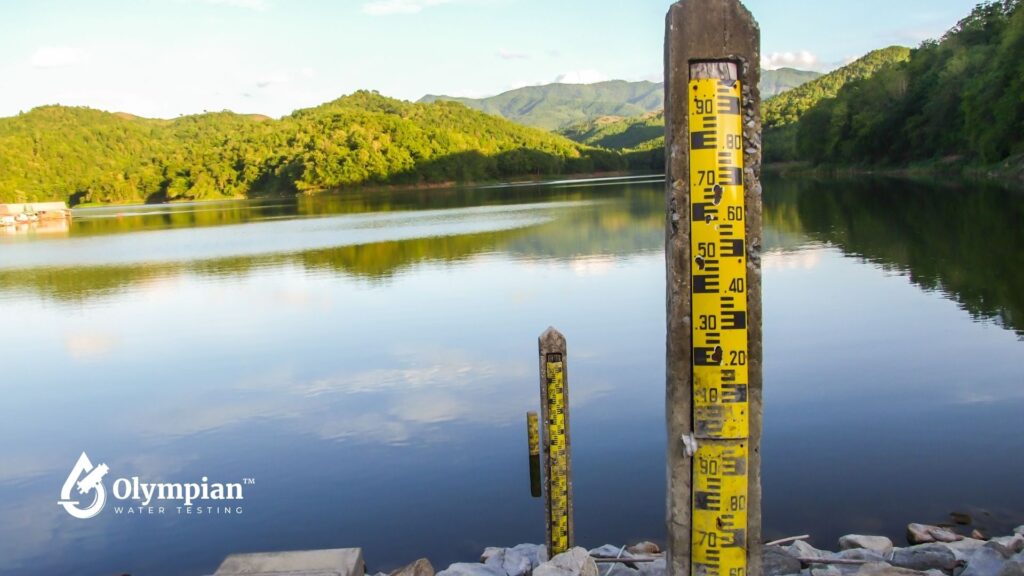
When Lake Okeechobee’s water levels surge, it can lead to flooding that disrupts the delicate balance of wetland vegetation. In such conditions, rooted plants may struggle to survive, and wildlife finds it hard to maintain stable habitats. The excess water also carries pollutants, posing a significant threat to the health of Florida’s wetlands.
On the other hand, extremely low water levels in the lake can dry out certain areas, leaving habitats vulnerable and isolated. Native organisms, which rely on consistent water levels, face a decline in populations. This imbalance highlights the critical need for effective lake management.
Implementing proper monitoring and controlled water releases is essential to maintain equilibrium. This approach supports biodiversity and promotes healthier ecosystems around Lake Okeechobee.
Condition | Effect on Wildlife | Recommendations |
High Levels | Flooding and dislocation | Precision water release |
Low Levels | Diminished habitat zones | Targeted restoration efforts |
Tips for Staying Informed
Keeping up with Lake Okeechobee’s water levels is vital for both locals and visitors. It aids in planning activities, protecting property, and ensuring community preparedness. Understanding seasonal changes in the lake is key to exploring safely.
Staying informed involves reading official announcements and monitoring online bulletins. It’s also beneficial to contact local agencies and connect with others interested in the lake. This way, everyone can stay updated on current conditions.
Government Resources and Data
The U.S. Army Corps of Engineers’ websites offer real-time depth charts. These charts illustrate how lake levels change throughout the year. By exploring these resources, we gain a deeper appreciation for the impact of these changes on local ecosystems.
Local Fishing and Boating Reports
Daily or weekly bulletins provide valuable information for anglers and boaters. They include tips on fishing and notes on boat ramp accessibility. Marinas also share newsletters detailing fish activity, linked to seasonal changes in the lake. Staying current with these updates ensures safer and more enjoyable lake experiences for all.
Looking Ahead to Long-Term Preservation of Lake Okeechobee
Lake Okeechobee is at a critical juncture. Scientific studies and climate predictions underscore the necessity for adaptable strategies in the future.
Technological advancements and habitat restoration projects are key to improving Lake Okeechobee management. A collaborative effort between local communities, researchers, and state agencies is underway. They aim to enhance water clarity, ensure wildlife sustainability, and promote responsible public access.
Long-term planning and community involvement are essential for preserving the lake’s natural splendor and economic significance. Regional leaders are intensifying their efforts to underscore the lake’s cultural importance and its role as a vital water source. Support for science-driven solutions and broader management initiatives is critical to safeguarding this environment for future generations.
FAQ
Which factors contribute to fluctuating Lake Okeechobee water levels?
Seasonal rainfall, storms, and controlled drainage efforts all impact water levels. The South Florida Water Management District and the U.S. Army Corps of Engineers manage water releases. They aim to prevent floods, distribute nutrients, and protect water resources.
How does Lake Okeechobee’s water depth affect local biodiversity and nutrient distribution?
Water depth changes affect plant growth, fish habitats, and water clarity. These changes influence nutrient availability. A stable depth is essential for a diverse ecosystem, supporting many species.
Why is the Florida water release schedule so important for surrounding communities?
The release schedule affects flood control, estuary salinity, and wetland health. By coordinating with climate models, stakeholders aim to protect property and maintain water quality. This promotes biodiversity.
Which agencies oversee Lake Okeechobee’s water management strategies?
The U.S. Army Corps of Engineers and the South Florida Water Management District work together. They monitor levels, operate floodgates, and guide sustainable water use. Their efforts protect the Everglades and local communities.
How do seasonal fluctuations affect recreational activities on Lake Okeechobee?
Changes in water levels impact boat ramps, marinas, and fishing spots. High levels offer more boating opportunities. Low levels require anglers to adapt and marinas to adjust docking.
What can residents do to address property concerns related to lake-level changes?
Residents can adopt land-use policies and invest in drainage systems. Staying informed about seasonal predictions is key. Community preparedness programs are also vital.
In what ways do climate trends influence Lake Okeechobee’s water release schedule?
Rising sea levels and more intense storms require adjustments to water releases. Climate models help anticipate the effects of weather on salinity and water availability.
What strategies support sustainable water usage in the Lake Okeechobee region?
Wetland restoration, stormwater treatment, and infrastructure upgrades are key. These efforts promote ecological balance through community involvement and cooperation. They reduce strain on riverine and coastal systems.
Why is real-time data from the U.S. Army Corps of Engineers essential for managing the lake?
Real-time data on depth, discharge, and weather is critical for flood control and drought mitigation. It fosters regional stewardship. Transparency builds trust and preparedness in the community.
How do extreme high or low water levels impact Florida’s nearby wetlands?
High water can flood vegetation and displace species. Low water can desiccate habitats. Both scenarios threaten biodiversity. Mindful lake management is essential for ecological health and safety.