
What Influences Water Consumption in American Households
Water use is influenced by various factors, with each household’s lifestyle being a key determinant of monthly water usage. By focusing on small details, such as quick showers or timely repairs, families can significantly reduce their water bills.
Emphasizing household water conservation can lead to both financial and environmental benefits. Studies from trusted organizations show that using efficient fixtures and adopting mindful habits can drastically cut down on waste. This not only saves money but also helps protect local water resources.
Household size and daily habits
Households with more occupants typically consume more water indoors. Activities like doing extra laundry or spending more time in the shower increase overall water demand. For instance, showering can account for up to 17% of indoor water use, translating to almost 40 gallons daily per household. Implementing quick rinses and upgrading to modern showerheads can significantly reduce this amount.
Impact of outdated plumbing
Using outdated fixtures can significantly increase water bills. For example, a showerhead rated at 2.5 gallons per minute can reduce water consumption by nearly half compared to older models. The same principle applies to toilets. Older models use up to 3.5 gallons per flush, whereas newer designs average 1.6 gallons, reducing usage by over 50%. Upgrading these outdated parts can lead to immediate efficiency gains and lower monthly water bills.
Exploring the Average Household Water Usage in the United States
Many families underestimate the impact of small habits on daily water usage. A single person typically uses about 82 gallons each day. This number can exceed 300 gallons for an entire home. Outdoor watering, in particular, can account for up to 60 percent of a property’s water needs in drier climates.
Indoor activities also play a significant role in household water usage. Older toilets can consume up to 6 gallons per flush, significantly increasing monthly bills. Leaky fixtures pose similar concerns, as a single dripping faucet can waste over 3,000 gallons annually.
- Toilets: 26% of indoor water use
- Showers: 17%
- Faucets: 19%
- Washing machines: 16%
- Dishwashers: 2%
Modern fixtures, such as low-flow showerheads at 2.1 gallons per minute, help reduce high consumption. Even minor adjustments, like doing fewer laundry loads, can make a significant difference over a month. Turning off faucets while brushing and checking for hidden leaks also helps conserve gallons that might be wasted.
Comparisons of Water Use Across Different Regions
Observations indicate that regional water usage differences stem from local resources and weather patterns. The US Geological Survey’s studies show how water consumption in the United States varies. This variation depends on climate and the availability of modern infrastructure.
Differences in rural vs. urban usage
Rural communities often rely on private wells, facing unique challenges in monitoring daily water withdrawal. This can stress local aquifers during hot weather, when outdoor irrigation demands increase. In contrast, urban areas benefit from shared systems with advanced leak detection and public awareness campaigns.
Case studies highlighting state-by-state variations
Western states rely on large-scale irrigation for extensive farming, while coastal regions enjoy steady rainfall, reducing groundwater reliance. Factors like infrastructure quality and residential lot size influence each state’s monthly water bill.
Region | Avg. Monthly Usage (Gallons) | Main Water Source | Key Factor |
Southwest | 10,000 – 12,000 | Reservoirs and aquifers | Arid climate |
Midwest | 8,000 – 9,500 | Rivers and groundwater | Seasonal rainfall |
Northeast | 6,000 – 7,500 | Lakes and rivers | Consistent precipitation |
Seasonal Patterns That Affect Monthly Water Bills
Temperature changes can alter our habits in many ways. Warmer months often lead to more gardening and pool activities, increasing water use. In contrast, winter might see a decrease in usage, but holiday gatherings can cause slight increases. By planning yard irrigation and adjusting appliance settings, households can better manage their water bills.
Seasonal changes offer chances for savings. Smart planning in spring can help avoid sudden spikes in water use. Collecting rainwater for landscaping and insulating pipes to prevent leaks are effective strategies. Regular monitoring is key to conserving water, even during peak demand times. Simple habits like shorter showers and mindful watering can significantly reduce costs and protect resources.
Recommended Tips from Water Conservation Experts
Upgrading fixtures can significantly boost efficiency and conserve resources. Simple steps can help achieve household water conservation without sacrificing comfort or quality. Many water-saving tips are easy to follow and fit within a tight budget.
Selecting water-saving appliances
Products with an Energy Star rating use less water than older models. High-efficiency washers and dishwashers lower monthly bills while delivering strong performance. This strategy protects natural supplies and keeps costs in check.
Implementing efficient irrigation methods
Outdoor watering often drives up usage. Targeting specific areas and maintaining proper sprinkler settings can make a difference. Drip irrigation systems use minimal flow and funnel moisture exactly where plants need it. Fixing leaks and timing watering sessions at cooler hours also leads to sustainable results.
Appliance Type | Potential Annual Savings | Key Feature |
High-Efficiency Washers | Up to 35% Less Water | Smart Load Sensors |
Low-Flow Toilets | Hundreds of Gallons | Pressurized Flush |
Energy Star Dishwashers | Up to 12 Gallons Saved Per Cycle | Optimized Spray Arms |
Innovative Technologies for Efficient Water Management
Modern devices are revolutionizing home practices, giving families more control over water use. These innovations offer new ways to think about daily routines in kitchens and bathrooms.
Smart meters and leak detection
Advanced meters, like Flo by Moen, track water flow in real-time and send alerts for anomalies. They provide detailed insights that prompt timely repairs, saving gallons and raising awareness. Many users find and fix hidden leaks, protecting their homes from water damage.
These meters offer live data on consumption patterns, highlighting peaks and idle times. This information helps families refine their habits and adopt water-saving practices for all ages.
Apps for Monitoring Household Water Data
Mobile apps track water usage continuously. They display charts showing peak usage hours, guiding families to adjust their habits. Many apps also send reminders to keep conservation goals in mind, promoting mindful water use throughout the year.
Budget-Friendly Ways to Curb Household Water Waste
Many families aim to reduce their utility bills by focusing on water usage. Simple actions, like turning off the tap while brushing teeth or rinsing veggies in a basin, can make a big difference. These small changes can lead to significant savings over time.
Collecting rainwater in a covered barrel offers a cost-free solution for watering the lawn. Brands like Kohler provide faucet aerators that reduce water flow without compromising pressure. Regular checks for leaks can also prevent hidden water waste. Adopting these practices can open the door to more sustainable water practices in the home.
- Use buckets for car cleaning instead of a running hose
- Opt for efficient showerheads with an EPA WaterSense label
- Inspect toilet valves for minor leaks that add up over the month
Every budget-friendly step not only cuts down on bills but also fosters a long-term commitment to conservation. It’s about creating a mindset that values water efficiency in our daily lives.
Common Missteps Leading to Increased Water Usage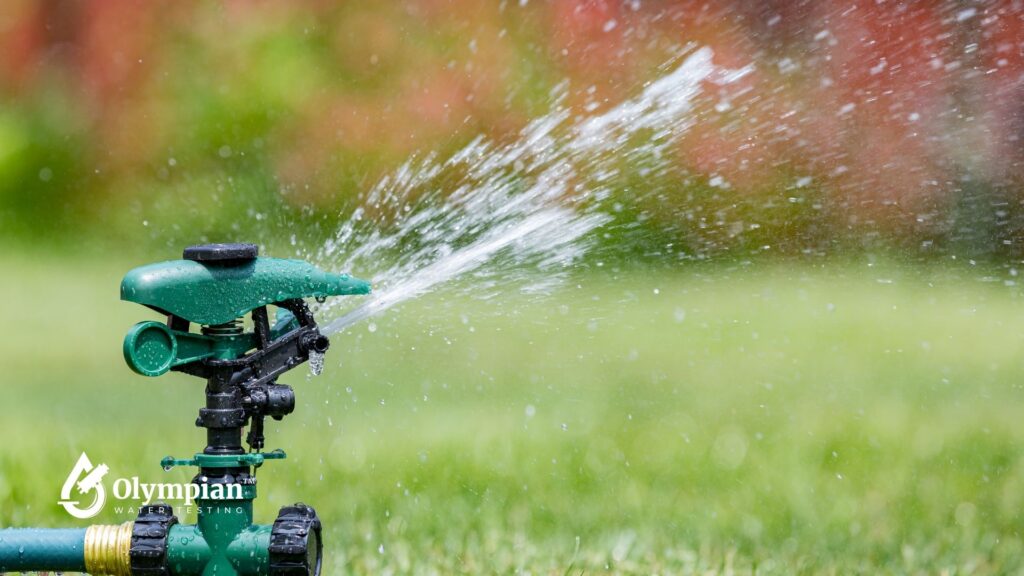
Unwatched leaks and worn fixtures are frequent triggers for hidden increases in water bills. Many residents are unaware of small drips under sinks or outdated toilet parts that silently raise water consumption in the United States. Scheduling regular inspections can halt these costly leaks before they escalate.
Neglecting Routine Maintenance
When valves or seals deteriorate, pipes may drip even when taps are off. These leaks often go unnoticed, creating an endless trickle that impacts regional water usage differences.
Misinformation about Water-Saving Practices
Some believe that frequent soaking of lawns or gardens automatically conserves moisture. In reality, shallow watering can waste resources and result in runoff. A targeted approach using drip systems or timers offers a more efficient outcome. Staying informed keeps monthly bills manageable and preserves this valuable resource.
Moving Forward with Sustainable Water Practices
Communities thrive when every home adopts sustainable water habits. Keeping an eye on monthly bills and spotting hidden leaks are key steps. Using WaterSense-labeled fixtures and Energy Star washers significantly cuts down water usage. Local rebates can also aid in upgrading outdated plumbing, keeping efficiency high.
Adopting water-saving tips fosters healthy habits. Simple actions, like fixing leaks or watering during cooler times, can greatly reduce costs. This approach not only benefits our environment but also supports wildlife and preserves water basins. It aligns with the U.S. Environmental Protection Agency‘s national guidelines, showing the lasting effects of careful water management.
American homes play a critical role in large-scale conservation efforts. Each action helps ease the strain on reservoirs and safeguards precious resources. Through regional collaborations and smart consumer choices, we ensure a sustainable water supply for today and tomorrow.