

The Benefits of Drinking Spring Water Daily
Drinking spring water daily offers numerous health benefits. Its unique composition and natural origin set it apart from tap water. It’s a refreshing, mineral-rich choice. Let’s explore how spring water can enhance your well-being.
Hydration and Overall Health
Hydration is key to maintaining health, and spring water is a great source. Research shows that hydrated individuals tend to eat healthier. This highlights hydration’s role in dietary habits. By opting for spring water, you support your body’s functions and improve performance.
It also boosts concentration, memory, and sleep quality. This makes spring water an excellent choice for hydration.
Essential Minerals for the Body
Spring water’s mineral content is a significant health benefit. It contains essential minerals like calcium, magnesium, and potassium. These minerals are vital for bodily functions.
- Calcium is essential for strong bones and teeth.
- Magnesium supports heart rhythm, muscle contraction, and nerve function.
- Potassium helps regulate blood pressure and supports heart health.
A 2023 review by Nutrients found that calcium from mineral water is as effective as milk. Drinking spring water rich in calcium can meet your daily calcium needs. This promotes better bone health.
Balancing the Body’s pH Levels
Drinking spring water can also balance your body’s pH levels. Its slightly alkaline pH, between 7.2 and 7.4, counters acidic diets. Alkaline spring water may reduce acid reflux, improve digestion, and aid detoxification.
A 2019 review in Nutrients found that mineral water, including alkaline spring water, improves metabolic syndrome risk factors. These include blood pressure, triglycerides, HDL-cholesterol, and blood sugar levels. Adding spring water to your daily routine supports overall balance and well-being.
Spring Water vs. Tap Water: A Comparison
Choosing between spring water and tap water involves considering several factors. These include drinking water safety, mineral content, and the water treatment process. Each option has its own set of characteristics that may sway your decision.
Spring water comes from natural springs or aquifers. It is processed minimally to remove harmful contaminants while keeping its natural minerals. These include calcium, magnesium, and potassium, which are beneficial for bone health and electrolyte balance. The pH level of spring water ranges from 6.2 to 8.2, showing its alkalinity compared to tap water.
Tap water, on the other hand, is treated extensively to ensure its safety and quality. It goes through multiple filtration stages to remove contaminants like chemicals, heavy metals, pesticides, and bacteria. This process often results in a clean, neutral taste. Yet, it may require mineral supplementation if it’s the only source of water.
Spring Water | Tap Water |
Minimally processed to preserve minerals | Undergoes rigorous water treatment process |
Contains naturally occurring minerals | Minerals often removed during filtration |
Various flavor profiles due to mineral content | Clean, neutral taste |
May contain trace amounts of natural contaminants | Effectively removes most impurities and contaminants |
The choice between spring water and tap water depends on personal preference and the quality of available water sources. It also depends on specific health considerations. Both the U.S. Food & Drug Administration (FDA) and the Environmental Protection Agency (EPA) classify spring water and purified tap water as safe and healthy to drink. This ensures drinking water safety for consumers.
Ensuring the Quality and Safety of Spring Water
Drinking spring water requires prioritizing quality and safety. Spring water is often seen as pure and natural. Yet, understanding the spring water source and preventing water contamination is key. This ensures the water is safe and healthy for you.
Understanding the Source of Spring Water
Knowing the source of spring water is the first step to safety. Protected springs are the safest, as they are shielded from contaminants. The Water Project builds structures around springs to divert contaminants. This keeps the water safe for drinking.
Not all spring water sources are the same. Each year, 505,000 diarrhoeal deaths are linked to contaminated drinking water. Over 1.8 billion people worldwide must fetch water daily, with 115 million drinking from open sources. This poses a significant health risk.
Proper Filtration and Purification Methods
Reputable companies use water filtration methods and water purification processes to ensure safety. Methods include microfiltration, UV light treatment, and ozonation. Chlorine dispensers are also used to keep water safe, providing access to clean drinking water without boiling.
In the U.S., the FDA regulates bottled water safety. It ensures bottled water meets tap water standards. Bottled water can come from various sources but must adhere to safety standards. The FDA requires companies to protect sources, test water, and follow safety rules during processing and transport.
While outbreaks linked to bottled water are rare, contamination can happen at several stages. Choosing reputable brands that use proper water filtration methods and water purification processes is essential to minimize risks.
Choosing the Right Spring Water Brand
When selecting a spring water brand, several key factors must be considered. The bottled water industry is a multi-billion dollar market. It’s important to look beyond marketing and focus on quality and safety.
Factors to Consider When Selecting a Brand
To pick the best bottled spring water brand, consider these aspects:
- The company’s history and reputation
- The water source and its purity
- Purification methods employed by the company
- Availability of water test reports for transparency
- Taste and overall quality of the water
- Environmental impact of the packaging and production process
Choosing brands with a long history and safe water sources is wise. Ensure they conduct regular water testing and follow FDA standards. This guarantees the highest quality product.
Reputable Spring Water Companies
Here are some reputable water companies known for their high-quality products:
Brand | Distinction |
Acqua Panna | Best bottled spring water |
Essentia | Best high pH bottled water |
Fiji | Best soft-tasting bottled water |
Icelandic Glacial | Best naturally filtered bottled water |
Arrowhead | Best local bottled spring water |
Voss | Best crisp-tasting bottled water |
Glaceau SmartWater | Best distilled bottled water |
By choosing a brand that meets your quality standards, you ensure safe, refreshing spring water. This supports your health and well-being.
The Risks of Drinking Untreated Spring Water
The trend of consuming untreated spring water, also known as "raw water," has seen a surge in popularity. Yet, it poses significant health risks. Despite claims of beneficial minerals and a more natural approach, drinking untreated spring water can lead to serious consequences.
Potential Contaminants and Bacteria
Untreated spring water may contain various harmful contaminants and bacteria. These include:
- E. coli
- Salmonella
- Giardia
- Cryptosporidium
- Legionella
These pathogens thrive in untreated water sources. They do so due to contact with organic material and the lack of proper filtration and disinfection processes. Registered dietitian Gillian Culbertson notes that drinking raw water poses a significantly higher risk compared to consuming treated water.
Health Consequences of Consuming Untreated Water
Drinking untreated spring water can lead to various waterborne illnesses. These include:
- Cholera
- Dysentery
- Typhoid
- Hepatitis A
- Nontuberculous mycobacteria disease (NTM)
These diseases can cause severe symptoms and even be life-threatening. The CDC reports that approximately 2 million people die each year from waterborne illnesses. The risk of infection or illness from untreated spring water is described as "infinitely" higher compared to drinking treated tap water.
Contaminant | Health Effects |
E. coli | Diarrhea, abdominal cramps, nausea, vomiting |
Salmonella | Diarrhea, fever, abdominal cramps |
Giardia | Diarrhea, gas, greasy stools, abdominal cramps |
Cryptosporidium | Watery diarrhea, stomach cramps, fever |
Legionella | Legionnaires’ disease (pneumonia-like illness) |
Chris Capper contracted nontuberculous mycobacteria disease (NTM) after drinking untreated spring water. Within six weeks, NTM had consumed one-third of Capper’s lung. This caused kidney failure and arthritis in some of his joints. Capper now relies on 16 tablets a day for his condition.
In contrast, bottled spring water available in supermarkets undergoes thorough testing and is deemed safe for consumption. Municipal water systems also adhere to strict safety standards. The likelihood of encountering issues is rare compared to the imminent risks associated with drinking untreated spring water.
Recommended Daily Intake of Spring Water
The amount of water needed daily varies based on age, health, activity level, and climate. The U.S. National Academies suggest men drink 15.5 cups (3.7 liters or 125 ounces) and women 11.5 cups (2.7 liters or 91 ounces) of fluids daily. While not necessary to drink only spring water, it can add mineral benefits to your hydration guidelines.
The human body is about 60% water, making hydration essential for health. Those with high activity levels, living in warm climates, or with fast metabolisms may need more water. Also, during illness with fever, vomiting, or diarrhea, fluid intake should increase.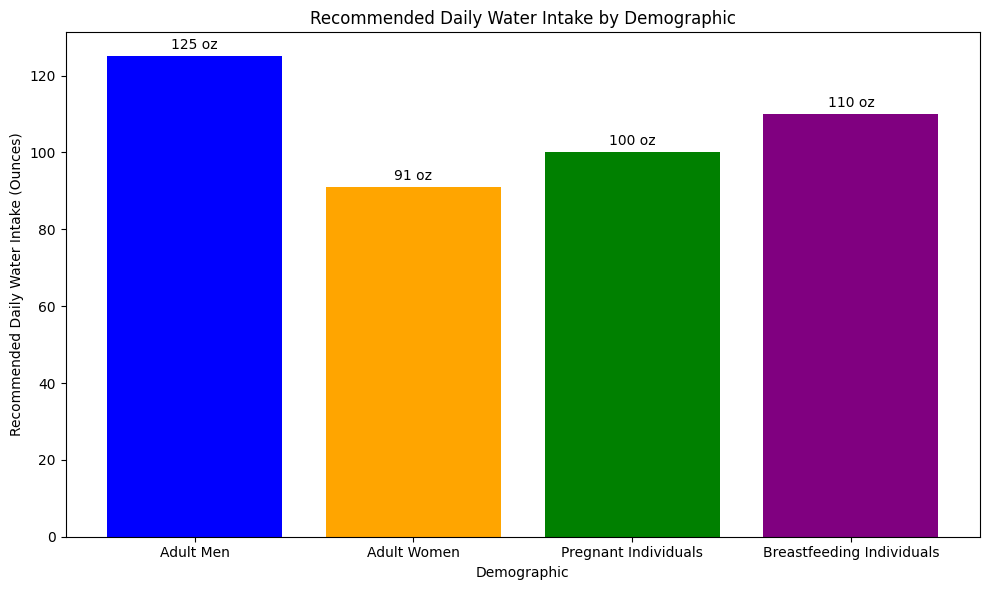
The "eight-by-eight rule" suggests drinking 64 ounces (about 1.9 liters) daily. Yet, this guideline lacks scientific basis and is more of a hydration reminder. The U.S. Centers for Disease Control and Prevention (CDC) advise drinking 8 ounces (1 cup) every 15 to 20 minutes for those working outdoors in hot conditions.
Demographic | Recommended Daily Water Intake |
Adult Men | 15.5 cups (3.7 liters or 125 ounces) |
Adult Women | 11.5 cups (2.7 liters or 91 ounces) |
Pregnant Individuals | Increased intake to support baby growth |
Breastfeeding Individuals | Extra water to support breast milk production |
Another guideline suggests drinking half your body weight in ounces. For instance, a 150-pound person should aim for 75 ounces of water daily. It’s vital to listen to your body and watch for dehydration signs like constipation, dizziness, and muscle cramps. Severe dehydration symptoms include abdominal pain, confusion, and lethargy.
"Water is the driving force of all nature." – Leonardo da Vinci
While hydration is key, drinking too much water can cause hyponatremia. When considering how much spring water to drink, aim to meet your daily fluid needs. Incorporate spring water into your hydration plan.
Incorporating Spring Water into Your Daily Routine
Making spring water a regular part of your day can significantly boost your health. It’s a simple step towards better hydration and overall well-being. Spring water, with its natural minerals and refreshing taste, is perfect for keeping you hydrated all day.
Convenient Ways to Drink Spring Water Throughout the Day
Carrying a reusable water bottle is a great way to stay hydrated. It ensures you always have access to clean, refreshing water. Set reminders or use a hydration app to drink water at set times. This helps prevent dehydration and keeps your body running smoothly.
Using spring water for cooking and making drinks is another smart move. Spring water’s natural composition can make your food and drinks taste better. It adds essential minerals to your meals and beverages, improving their quality and flavor.
Combining Spring Water with a Balanced Diet
Drinking spring water regularly is more effective when paired with a balanced diet. Eating a variety of nutrient-rich foods complements the minerals in spring water. This combination ensures your body gets all the nutrients it needs to function well.
Here’s a table showing why staying hydrated is key and how spring water helps:
Hydration Fact | Importance |
75% of Americans are chronically dehydrated | Dehydration can lead to fatigue, reduced physical performance, and impaired cognitive function |
The human body is over 60% water | Water is essential for maintaining vital bodily functions and overall health |
Spring water contains essential minerals | Minerals such as calcium, magnesium, and potassium support bone health, muscle function, and electrolyte balance |
By integrating spring water into your daily routine and eating a nutritious diet, you support your body’s detoxification and immune systems. This combination enhances your overall well-being. Embrace the benefits of spring water and see how it can improve your health and energy.
Alternatives to Spring Water
Spring water is not the only safe and healthy choice for hydration. Tap water, regulated by the EPA, is generally safe and monitored by municipalities. Yet, in some areas, it may need boiling or filtering due to contamination risks. Older plumbing systems, built before 1986, might contain lead, posing health risks, mainly to infants and pregnant women.
The EPA advises flushing tap water for 3 to 5 minutes in homes with lead service lines to reduce lead exposure. Homes without lead service lines may only need to flush for about 40 seconds if the water has recently been used.
Filtered tap water using a carbon filtration system or pitcher can effectively remove contaminants. This ensures a safe and healthy drinking water supply. Another option is purified and treated bottled water from reputable brands, regulated by the FDA. The FDA ensures the safety of bottled water through inspections of water sources and bottling processes.
Other Safe and Healthy Hydration Options
Mineral water, with naturally occurring minerals like calcium and magnesium, can contribute to hydration and health. Yet, regular drinking water typically contains similar minerals, making bottled mineral water costly. Electrolyte water, with varying electrolyte content, is effective for intense physical activities or replenishing lost electrolytes. Look for options with potassium and sodium levels similar to sports drinks.
Naturally flavored water infused with fruits or herbs can add taste and nutrients without artificial additives. This can be achieved by adding slices of lemon, lime, cucumber, or mint leaves to a pitcher of water. The key to staying hydrated is to consume enough water, varying based on age, gender, and activity level. The Institute of Medicine recommends women drink more than 11 (91 ounces) 8-ounce glasses daily, while men should aim for more than 15 (125 ounces) 8-ounce glasses. By incorporating various safe and healthy hydration options, you can ensure your body remains hydrated and functions optimally.
FAQ
What are the benefits of drinking spring water daily?
Drinking spring water daily aids in hydration, essential for bodily functions. It’s rich in minerals like calcium, magnesium, and potassium. These can boost the immune system, support strong bones, and promote heart, nerve, and muscle health. Spring water’s higher pH level can also help balance the body’s pH, improving hydration.
Is spring water better than tap water?
Tap water is treated and purified for safety and quality. Spring water, on the other hand, offers natural minerals and taste. The choice between the two depends on personal preference, water source quality, and health considerations.
How can I ensure the safety and quality of spring water?
To ensure spring water safety, know the source and check for contamination. Reputable companies use methods like microfiltration, UV light, and ozonation to purify. Look for water test reports and ensure the company follows FDA standards for bottled water.
What should I consider when choosing a spring water brand?
When choosing a spring water brand, consider the company’s history, water source, purification methods, and water test reports. Opt for brands with a long history and safe water sources. Ensure they conduct regular testing and follow FDA standards for bottled water safety.
Is it safe to drink untreated spring water or “raw water”?
Drinking untreated spring water or "raw water" is dangerous due to contaminants and bacteria. It may contain harmful microorganisms like E. coli, Salmonella, and Giardia. These can cause serious illnesses. It’s vital to ensure spring water is tested and filtered before consumption.
How much spring water should I drink daily?
The daily water intake varies based on age, health, activity level, and climate. The U.S. National Academies recommend men drink 15.5 cups (3.7 liters) and women 11.5 cups (2.7 liters) of fluids daily. While not mandatory, including spring water in your hydration plan can add mineral benefits.
How can I incorporate spring water into my daily routine?
To incorporate spring water, carry a reusable bottle, set reminders to drink, and replace sugary drinks with spring water. Combining it with a balanced diet rich in fruits and vegetables supports overall health and hydration.
Are there alternatives to spring water for safe and healthy hydration?
While spring water has benefits, other options exist. Filtered tap water can remove contaminants while being convenient. Other alternatives include purified bottled water from reputable brands and naturally flavored water with fruits or herbs for added taste and nutrients.