Tap Water Safety in Major Greek Cities
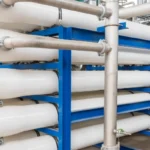
In Greece’s major cities, such as Athens and Thessaloniki, tap water is deemed safe for drinking. This is due to modern water infrastructure maintenance and advanced purification methods. Regular municipal water testing ensures compliance with strict European Union water quality regulations.
Athens

Athens, the Greek capital, has a cutting-edge water treatment system. It uses the latest technologies to provide clean drinking water. The city’s water supply is tested rigorously to meet EU standards. This makes tap water a reliable choice for both locals and visitors.
Thessaloniki

Thessaloniki, Greece’s second-largest city, also offers high-quality tap water. The city prioritizes water infrastructure maintenance with regular upgrades. This ensures the water treatment process remains efficient and effective, meeting strict water quality regulations.
Modern Water Supply Systems
The safety of tap water in these major Greek cities is thanks to their modern water supply systems. These include:
- Advanced filtration techniques to remove impurities
- Chlorination to eliminate harmful bacteria and viruses
- Regular municipal water testing to monitor water quality
- Proactive water infrastructure maintenance to prevent contamination
These measures, along with strict adherence to EU water quality regulations, ensure tap water in Athens and Thessaloniki is consistently safe for drinking.

Drinking Water in Greek Islands and Rural Areas
Tap water in mainland Greece is generally safe for drinking and cooking. Yet, the situation changes in the country’s islands and rural areas. The taste and mineral content of the water can vary significantly. This is due to the local water sources and treatment methods employed.
Variations in Taste and Mineral Content
In islands like Crete, Rhodes, and Corfu, tap water quality can differ greatly. Some areas have perfectly safe drinking water, while others require caution. Water hardness also varies, with Northern Greece having hard but safe water. In contrast, islands like Crete experience very hard water due to their limestone-rich soil.
Desalinated Seawater on Smaller Islands
Smaller Greek islands, such as those in the Cyclades and Dodecanese, rely on desalination plants. This is because they face water shortages during the summer months. Islands like Santorini and Mykonos have desalination plants to ensure a steady water supply. Despite this, some locals prefer bottled water or use home filters.
Occasional Water Quality Advisories
Heavy rains can sometimes impact the water clarity and quality of local water sources. This leads to occasional water quality advisories. It’s wise to check with local authorities or your accommodation provider for any advisories. This is essential, even more so after heavy rainfall.
To guarantee the safety and quality of your drinking water in Greek islands and rural areas, using water filters is advisable. They can remove impurities and enhance the taste of treated tap water. If you prefer, bottled water is widely available at regulated prices throughout the country.

Tap Water Quality in Greece Compared to Other European Countries
Greece’s tap water quality is among the highest in Europe, scoring a perfect 100 in a study by worldpopulationreview.com. This achievement puts Greece on par with nine other European nations in water safety and quality standards. It highlights Greece’s commitment to maintaining high water quality standards.
Despite its top ranking, Greece struggles with its water infrastructure. The country loses about 50% of its drinking water due to leaks and theft, exceeding the EU average of 23%. In Ermioni, only 8% of the 13,500 residents have permanent access to safe drinking water. The Argolida region, a major orange producer, faces challenges due to seawater intrusion, requiring farmers to dig up to 300 meters for water.
Greece has invested over 1.5 billion euros in its drinking water infrastructure, starting in 2019. These investments aim to enhance water quality and accessibility nationwide. The goal is to ensure every resident has access to safe, clean drinking water.
Country | Percentage of Excellent Bathing Waters |
Cyprus | 95% or more |
Austria | 95% or more |
Croatia | 95% or more |
Greece | 95% or more |
Albania | Less than 70% |
Belgium | Less than 70% |
Estonia | Less than 70% |
Hungary | Less than 70% |
Poland | Less than 70% |
Greece also excels in bathing water quality compared to other European countries. In 2023, 89% of EU coastal bathing waters and 79% of landlocked waters were rated excellent. Greece, along with Cyprus, Austria, and Croatia, achieved 95% or more excellent ratings. In contrast, Albania, Belgium, Estonia, Hungary, and Poland had less than 70% of their waters rated excellent.
Greek Hospitality and Tap Water
Greek hospitality is famous worldwide, with serving tap water a common practice in restaurants and cafes. This reflects the warm culture of the country. The tradition of providing complimentary tap water is rooted in the belief that water is essential and should be freely available. This custom is deeply ingrained in Greek society, making it a key part of the dining experience.

In tourist-heavy areas, some places may serve bottled water instead of tap. This change is influenced by tourist perceptions and preferences. Many visitors, coming from places with less reliable tap water, may worry about drinking tap water abroad. To address these concerns, some restaurants in popular tourist spots offer bottled water as the default choice.
Tap Water Served in Restaurants and Cafes
In most of Greece, tap water is safe to drink, meeting strict European Union standards. Restaurants and cafes in cities like Athens and Thessaloniki often serve tap water. This is both a gesture of hospitality and a cost-effective alternative to bottled water. It saves customers money and helps reduce plastic waste, supporting sustainability efforts.

The tap water in Athens, for example, undergoes rigorous treatment and testing. It comes from Lake Marathon, treated by advanced technology to meet drinking water regulations. Regular monitoring and maintenance ensure the water is clean and safe for consumption in restaurants and cafes across the city.
Bottled Water Preferences in Tourist-Heavy Areas
Despite tap water’s safety and quality in most of Greece, some places in tourist areas may serve bottled water. This decision is often based on the belief that tourists prefer bottled water and may be concerned about tap water safety. By providing bottled water, these establishments aim to meet the expectations of their international guests.

The cost of bottled water in Greece varies, with small bottles around EUR 0.50 and larger ones around EUR 1.00. While a small expense, the cumulative cost of bottled water can quickly add up. Tourists looking to save money or reduce environmental impact may choose tap water, where it is known to be safe.
City | Tap Water Safety | Bottled Water Price (Small) | Bottled Water Price (Large) |
Athens | Safe to drink | EUR 0.50 | EUR 1.00 |
Thessaloniki | Safe to drink | EUR 0.50 | EUR 1.00 |
Santorini | Stick to bottled water | EUR 0.50 | EUR 1.00 |
Mykonos | Stick to bottled water | EUR 0.50 | EUR 1.00 |
It’s important to note that while bottled water is preferred in some tourist areas, many hotels in Greece offer filtered tap water. Public water fountains in parks and squares also provide potable water for refilling reusable bottles. By using these alternatives, tourists can stay hydrated while reducing their environmental impact and supporting local sustainability efforts.
Tips for Ensuring Water Safety in Greece
Traveling to Greece requires prioritizing water safety to prevent health issues. Tap water is generally safe in major cities like Athens and Thessaloniki. Yet, quality can differ in islands and rural areas. To have a worry-free trip, consider these tips:
Consulting Locals and Hotel Staff
Seeking local knowledge on water safety is key. Talk to locals and hotel staff for the latest on tap water quality. They can advise on whether tap water is safe to drink. Always ask questions and seek advice from those who know the local conditions well.
Observing Local Drinking Habits
Notice how locals drink water in restaurants and cafes. If they mostly choose bottled water, it might indicate questionable tap water quality. Following local habits can guide your water consumption choices.
Opting for Bottled Water When Unsure
If you’re unsure about tap water safety, it’s safer to choose bottled water. Traveler precautions often include using bottled water availability, which is more common in remote or island areas. This is also a wise choice for those with sensitive stomachs or women traveling alone.
Area | Tap Water Safety | Recommended Action |
Major Cities (Athens, Thessaloniki) | Generally Safe | Drink Tap Water |
Rural Areas and Islands | Quality May Vary | Consult Locals, Consider Bottled Water |
By following these tips and staying informed about local water conditions, you can ensure a safe and enjoyable experience while exploring Greece’s beauty.
Alternative Water Sources in Greece
In Greece, tap water is generally safe to drink, mainly in major cities. Yet, there are other water sources for those looking for variety or in areas where tap water is less reliable. Options include natural springs and modern water vending machines. These choices cater to the hydration needs of both Greeks and visitors.
Community Taps and Wells
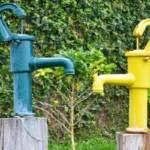
In many Greek villages and smaller communities, residents use community taps and wells for their water. These sources are often fed by natural mountain springs or rainwater from nearby hills. Locals often prefer the taste and mineral content of this water over treated tap water.

Yet, the availability of these natural water sources has decreased due to reduced rainfall. For instance, in 2023, Andros saw an average rainfall of 363 mm, down from the typical 506 mm. Similar drops were observed in Tinos, Naxos, and Ios, with rainfall levels falling by 10-30% compared to their averages.
Water Vending Machines
Water vending machines have gained popularity in Greece, mainly in tourist areas. These machines, known as "water ATMs," dispense chilled, filtered water for a fee, usually around €0.50 per liter. They also allow users to refill personal water bottles, encouraging sustainability and reducing plastic waste.
The table below compares water consumption trends in Santorini and Mykonos, highlighting the increasing demand for water in these tourist spots:
Island | Year | Water Consumption (m³) | Percentage Increase |
Santorini | 2013 | 929,000 | – |
Santorini | 2023 | 2,360,000 | 13.8% (from previous year) |
Mykonos | 2020 | 955,505 | – |
Mykonos | 2023 | 1,618,069 | 37.8% (over two years) |
As water demand grows in popular Greek destinations, innovative solutions like water vending machines and refill stations are becoming more critical. They help meet the needs of both locals and tourists while promoting sustainable water consumption practices.
Essential Items for Water Purification and Convenience
Traveling to Greece requires being prepared with the right equipment for safe drinking water. Tap water in major cities like Athens and Thessaloniki is generally safe. Yet, it’s wise to have backup options, mainly for remote areas or islands.
Portable water filters from LifeStraw and Sawyer effectively filter out bacteria and protozoa. These compact devices are easy to pack and use, ensuring peace of mind. Water purification tablets from Aquamira and Potable Aqua serve as a lightweight backup for water safety.
For those who prefer drinking directly from any water source, filtered water bottles are ideal. Brands like Brita and Grayl offer bottles that remove 99.99% of harmful contaminants. Press filter systems, such as the Grayl GeoPress, generally provide better water safety than quick-sip straw systems.
UV Water Purifiers and Collapsible Bottles
UV water purifiers, like the SteriPEN, are effective against bacteria, viruses, and protozoa. These devices are compact and easy to use, making them popular among travelers. Collapsible water bottles are convenient for carrying filtered or purified water, taking up minimal space when empty.
Hydration Bladders and Reusable Bottles
For hiking or remote travel, hydration bladders, such as CamelBak, are ideal for storing a lot of water. These bladders can be carried in a backpack, providing hands-free hydration. Reusable water bottles are also eco-friendly, encouraging travelers to fill up from safe sources and reduce plastic waste.
Item | Purpose | Brands |
Portable Water Filters | Filter bacteria and protozoa | LifeStraw, Sawyer |
Water Purification Tablets | Backup method for water safety | Aquamira, Potable Aqua |
Filtered Water Bottles | Remove contaminants, direct drinking | Brita, Grayl |
UV Water Purifiers | Treat against bacteria, viruses, protozoa | SteriPEN |
Hydration Bladders | Store filtered/purified water | CamelBak |
By packing these essential items, travelers can ensure access to safe drinking water throughout their Greek adventures. This minimizes the risk of waterborne illnesses and reduces environmental impact.
Maintaining Proper Hygiene Practices
Traveling to Greece or any foreign country requires maintaining proper personal hygiene for disease prevention. It’s not just about safe drinking water. Good hygiene habits are key to avoiding illnesses.
Don’t forget to pack hand sanitizer. Using it before handling food or water bottles can prevent germ ingestion. The Centers for Disease Control and Prevention (CDC) states that up to 65% of deaths from diarrheal diseases could be avoided with good hygiene, clean water, and proper sanitation when traveling abroad.
Other vital hygiene practices include:
- Washing hands thoroughly with soap and water before eating or preparing food
- Cleaning food utensils with hot water and soap or ash
- Avoiding raw or undercooked foods, specially in areas with questionable water quality
- Keeping a clean environment in your accommodations to prevent the spread of germs
Research shows that proper hygiene can greatly reduce illness risk while traveling. For instance, a study revealed that mothers with media access had 10.51 times higher odds of hygienic complementary food feeding practices compared to those without (95% CI: 2.8, 39.28).
By focusing on personal hygiene and preventive measures, travelers can significantly reduce illness risk in Greece. Remember to pack hand sanitizer and stay vigilant about cleanliness for a healthy, enjoyable trip.
Countries with the Safest Tap Water
Several countries excel in providing clean and safe drinking water. They have set high water quality standards and use advanced treatment methods. This ensures their citizens can drink tap water without worry. Countries like Iceland, Norway, Switzerland, Japan, Australia, Germany, Finland, Canada, Singapore, and New Zealand lead in this area.

Iceland’s tap water is known for its purity, coming from glacial melt. Norway’s tap water is sourced from clean lakes and rivers, meeting strict safety standards. Switzerland’s water regulations are strict, even for public fountains. Japan uses advanced filtration systems for its tap water. Singapore’s tap water undergoes rigorous testing and treatment, considered among the best globally. New Zealand focuses on water quality, ensuring safe tap water in most areas.
Country | Percentage of Population with Access to Pure Tap Water |
Malta | 99.772% |
Cyprus | 99.765% |
Belgium | 99.739% |
Sweden | 99.739% |
France | 99.704% |
Finland | 99.642% |
Spain | 99.567% |
Luxembourg | 99.534% |
Israel | 99.471% |
Canada | 99.04% |
The Environmental Performance Index (EPI) evaluates water quality based on the DALY rate. Countries with a lower DALY score have cleaner water. The United States, Italy, Singapore, Canada, Germany, Switzerland, Norway, Sweden, the United Kingdom, and Greece rank high in EPI rankings for cleanest water.
Access to safe tap water is a privilege not all countries enjoy. Countries like Iceland, Norway, Switzerland, Japan, Australia, Germany, Finland, Canada, Singapore, and New Zealand prioritize water quality. They have implemented robust treatment systems, showing their commitment to providing clean drinking water to their citizens.
Countries with Unsafe Tap Water
Many developed nations boast safe tap water, but numerous countries face contaminated water supplies. This poses serious health risks to their populations. Countries like India, Mexico, Nigeria, Indonesia, Egypt, Bangladesh, Peru, Haiti, the Philippines, and Vietnam struggle due to inadequate infrastructure and widespread contamination.

Recent studies reveal a concerning trend. A staggering 52.3% of adults in 141 countries fear serious harm from drinking tap water in the next two years. The self-reported harm varies greatly, from 0.9% in Singapore to 54.3% in Zambia. This highlights the stark contrast between nations with well-maintained water systems and those facing severe water quality issues.
Country | Anticipated Harm from Drinking Water |
Sweden | 8.0% |
Lebanon | 78.3% |
Greece | 58.9% |
Finland | 9.1% |
The lack of proper wastewater treatment and basic drinking water services significantly contributes to the anticipated harm. Wastewater treatment alone accounts for 36.6% of the variation in responses. Countries with 1% or more of annual deaths due to unsafe water see an average increase of 12.6 percentage points in anticipated harm.
Economic factors also impact access to safe drinking water. Greater logged per capita GDP is linked to lower anticipated harm from drinking water, explaining 47.3% of the variation. Anticipated harm is significantly higher in low-income (57.1%) and middle-income (56.4%) countries compared to high-income nations (37.2%).
Travelers to countries with unsafe tap water should rely on bottled water or use reliable purification methods. Being aware of water quality issues and taking precautions can minimize the risk of waterborne illnesses. This way, individuals can enjoy their travels without compromising their health.
Health Risks Associated with Contaminated Water

Drinking contaminated water can lead to a range of health issues, from mild discomfort to severe illnesses. In Greece, while 95% of the population has access to safe drinking water, localized contamination can occur. This is more common in rural areas or regions with inadequate water treatment facilities. It’s vital to understand the risks of consuming unsafe water.
Gastrointestinal Infections

Gastrointestinal infections are a common health risk from contaminated water. Pathogens like E. coli and Salmonella can cause symptoms such as diarrhea, abdominal cramps, and vomiting. The World Health Organization reports that 2 billion people globally use contaminated drinking water sources. This increases the risk of diseases like cholera and dysentery.
Parasitic Infections

Parasitic infections, such as Giardia, can be contracted through contaminated water. These infections can cause prolonged digestive issues and, in severe cases, malnutrition. Greece has seen cases of waterborne diseases, including giardiasis and cryptosporidiosis, in areas with poor water treatment facilities.
Chemical Contaminants
Water can also be contaminated with chemical substances like heavy metals and pollutants. Long-term exposure to these can harm various organ systems and increase cancer risk. Tests in the Nafplion area found high levels of chlorides and sodium in water sources used to supplement the city’s supply.
Cholera and Typhoid Fever

In extreme cases, contaminated water can lead to life-threatening diseases like cholera and typhoid fever. These waterborne diseases cause approximately 3.4 million deaths annually worldwide. While rare in Greece, travelers should be cautious, as the risk of waterborne diseases is higher in rural areas or during outdoor activities.
To minimize the risk of falling ill from contaminated water, it’s essential to stay informed about local water quality advisories. Consult with locals and hotel staff, and opt for bottled water when unsure. By taking these precautions, you can protect yourself and your loved ones from the health risks associated with unsafe drinking water.
Understanding the Difference Between Water Filtration and Purification
Ensuring safe drinking water requires understanding the difference between water filtration and purification. Both methods aim to improve water quality but target different contaminants. They use various techniques to achieve their goals.
Water filtration systems remove particles, sediments, and some dissolved substances. They use physical barriers like carbon or ceramic filters. These systems can remove contaminants like chlorine, pesticides, heavy metals, and bacteria. Yet, they don’t remove dissolved minerals like calcium and magnesium, which affect water hardness.
Water purification goes beyond filtration by targeting smaller contaminants. Methods like reverse osmosis, UV purification, and distillation can eliminate protozoan cysts, such as Giardia lamblia, and viruses, including hepatitis A and norovirus. These methods ensure a higher level of water safety, essential in areas with less developed water treatment infrastructure.
Contaminant | Filtration | Purification |
Protozoan cysts (e.g., Giardia lamblia) | Yes | Yes |
Bacteria (e.g., Cholera) | Yes | Yes |
Viruses (e.g., hepatitis A, norovirus) | No | Yes |
Sediments and particles | Yes | Yes |
Dissolved minerals (e.g., calcium, magnesium) | No | Yes (reverse osmosis) |
To achieve the highest water safety, combining filtration and purification methods is recommended. This multi-barrier approach removes a wide range of contaminants. It ensures clean and safe drinking water for households and communities.
tap water quality Greece?
Greece, famous for its stunning beaches and rich history, has made great strides in ensuring safe drinking water. In cities like Athens and Thessaloniki, advanced water treatment processes and regular municipal water testing have made tap water meet European Union standards.
Yet, Greece faces challenges in maintaining water quality nationwide. The Aqueduct Water Risk Atlas by the World Resources Institute ranks Greece 19th in water stress. Over 35.6% of water is unaccounted for, showing significant water contamination and losses due to outdated water infrastructure.
The Greek government plans to invest EUR 5.871 billion in water projects, including 2,127 to upgrade infrastructure. EYDAP, Athens’s water company, aims to spend EUR 400 million over five years to manage water networks better and cut down on leaks, which can reach 80% in some spots.
Region | Water Leakage | Residents with Permanent Access to Safe Drinking Water |
Argolida | 50% | – |
Ermioni | – | 8% of 13,500 |
In rural areas and islands, water taste and mineral content can vary due to local sources and treatment. Islands like Santorini might use desalinated seawater, changing the taste. Sometimes, advisories on water quality pop up in remote spots or areas with old infrastructure, mainly after heavy rains.
Despite these hurdles, Greece tied with nine other European countries in a study by worldpopulationsreview.com, all scoring 100 for drinking water quality. Most people drink tap water without problems, showing strong trust in water safety.
Steps to Take If You Fall Ill from Drinking Unsafe Water
If you think you got sick from drinking bad water while traveling, watch your symptoms closely. Signs of waterborne illness include diarrhea, stomach pain, nausea, and fever. Traveler’s diarrhea hits 30-70% of travelers, hitting young adults and those with weak immune systems hard. If you have three or more loose stools in 24 hours, you might have traveler’s diarrhea.
To fight dehydration, the main problem with traveler’s diarrhea, staying hydrated is key. Use oral rehydration solutions or electrolyte packets to replace lost fluids and salts. If your symptoms get worse or you think you have serious diseases like cholera or typhoid, get medical help fast. Travel insurance can help cover medical costs abroad.
Probiotics can help fix your gut’s balance after getting sick. Symptoms from bacterial infections usually get better in two to three days but can last up to a week. Parasitic infections can cause symptoms for weeks or months. In rare cases, severe complications like post-infectious irritable bowel syndrome (PI-IBS) or inflammatory bowel disease (IBD) symptoms can start in people who are genetically prone.
To lower the risk of getting sick from water, boil water for at least one minute (or three minutes above 2,000 meters) to kill germs. Or, use water filters like Water-to-Go, Lifestraw Personal Water Filters, or SteriPEN Ultra to remove harmful stuff. By being careful and ready to handle symptoms quickly, travelers can lessen the effects of waterborne illnesses on their health and travel experience.
FAQ
Is tap water safe to drink in major Greek cities like Athens and Thessaloniki?
Yes, tap water in Athens, Thessaloniki, and other major Greek cities is safe. This is due to modern water systems and strict purification processes. These meet European Union standards. The water quality is regularly checked to ensure it’s safe.
How does the taste and quality of tap water vary in Greek islands and rural areas?
Tap water on Greek islands and in rural areas is generally safe but can taste different. Some islands, like Santorini, use desalinated seawater. This can give the water a unique taste. After heavy rains, water quality advisories might be issued.
How does Greece’s tap water quality compare to other European countries?
Greece ranked first in a study by worldpopulationsreview.com, sharing the top spot with nine other countries. It scored a perfect 100 for tap water quality. This shows Greece’s tap water is on par with major European countries.
Do Greek restaurants and cafes typically serve tap water to guests?
Yes, Greek hospitality often includes serving tap water. But, in tourist areas, some places might serve bottled water. This is due to tourists’ preferences and concerns about tap water safety.
What can tourists do to ensure water safety while traveling in Greece?
To stay safe, tourists can ask locals or hotel staff about water quality. They should also observe if locals drink tap water in restaurants. If unsure, bottled water is a safer choice. Bringing portable water filters or purification tablets can also offer peace of mind.
Are there alternative water sources available in Greece beside tap water?
Yes, Greece has other water sources like community taps and wells. These use fresh rainwater from hills and mountains. Water machines are also available, charging €.50 per liter.
What essential items should travelers pack for water purification and convenience?
Travelers can pack various items for water purification and convenience. These include portable water filters (LifeStraw, Sawyer), purification tablets (Aquamira, Potable Aqua), and filtered water bottles (Brita, Grayl). UV purifiers (SteriPEN), collapsible bottles, hydration bladders (CamelBak), and reusable water bottles are also useful.
What health risks are associated with drinking contaminated water?
Drinking contaminated water can cause many health issues. These include gastrointestinal infections (E. coli, Salmonella), parasitic infections (Giardia), and exposure to chemical contaminants (heavy metals, pollutants). It can also lead to diseases like cholera and typhoid fever.
What should I do if I suspect illness from drinking unsafe water?
If you think you got sick from drinking unsafe water, look for symptoms like diarrhea, stomach cramps, nausea, and fever. Use oral rehydration solutions or electrolyte packets to stay hydrated. If symptoms get worse or don’t improve, seek medical help. Probiotics can help restore gut flora during recovery.