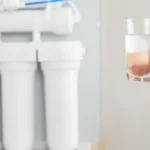
Essential Guide to Well Pump Filters
- Published:
- Updated: January 6, 2025
Listen to this article
Summary
Well pump filters are crucial for ensuring clean, safe water by removing contaminants such as sediment, bacteria, and harmful chemicals. Here’s an essential guide to understanding and maintaining these systems:
- Types of Filters: Sediment filters, carbon filters, reverse osmosis (RO) systems, and UV filters each target different impurities, from large particles to harmful microorganisms.
- Water Quality Analysis: Before selecting a filter, conduct a comprehensive water test to identify contaminants and choose the appropriate system.
- Installation & Maintenance: Professional installation and regular maintenance, including filter replacement and system checks, ensure long-term filter effectiveness and protect plumbing and appliances.

In the realm of water quality, the significance of well pump filters cannot be overstated. As water quality standards become increasingly stringent, the necessity for effective filtration systems in well water applications is crucial. In this comprehensive guide, we explore the intricacies of well pump filters, providing you with the knowledge needed to ensure safe and clean water for consumption and use. Understanding the various components, benefits, and challenges associated with these filters will empower you to make informed decisions and implement solutions tailored to your specific water quality needs.
Understanding Well Water Filtration
Well water is sourced from underground aquifers and often requires filtration to remove impurities and contaminants. Unlike municipal water systems, which are treated before reaching consumers, well water filtration is the responsibility of the well owner. This filtration process is critical for ensuring water quality and safety. Without proper filtration, well water may harbor harmful contaminants that pose health risks, making it imperative for well owners to be proactive in managing their water quality.
Why Are Well Pump Filters Important?

Well pump filters play a pivotal role in safeguarding water quality by removing sediment, bacteria, and other contaminants. These filters are essential for preventing damage to plumbing systems and appliances, as well as protecting the health of those who consume the water. By effectively filtering out impurities, well pump filters help maintain the structural integrity of household systems, reducing repair costs and prolonging the lifespan of plumbing fixtures and appliances.
The presence of contaminants in well water can be attributed to various factors, including agricultural runoff, industrial pollution, and natural mineral deposits. The implementation of a reliable well pump filter system is a proactive measure to mitigate these risks. Moreover, with growing awareness and regulatory pressures concerning water safety, having a robust filtration system is not just a matter of preference but a necessity for responsible well ownership.
Types of Well Pump Filters
Selecting the appropriate well pump filter requires understanding the specific contaminants present in your water and the filtration capabilities of each filter type. The market offers a variety of filters, each designed to address different types of impurities, and understanding their functions is key to choosing the best system for your needs.
Sediment Filters
Sediment filters are designed to remove large particles such as sand, silt, and rust from the water. These filters are often the first line of defense in a well water filtration system, preventing damage to subsequent filtration stages and household appliances. By capturing these larger particles, sediment filters help to maintain the efficiency and effectiveness of more sensitive filtration systems downstream, ensuring that they can focus on removing finer contaminants.
The role of sediment filters extends beyond protecting equipment. They also play a crucial part in improving the overall clarity and aesthetic quality of water. Clear water is not only more appealing but also essential for applications where water clarity is a critical factor, such as in gardening or certain household uses.
Carbon Filters
Carbon filters are effective in removing organic compounds, chlorine, and volatile organic compounds (VOCs) from water. They work by adsorbing impurities onto the surface of the carbon material, thus improving the taste and odor of the water. This adsorption process is highly effective for a wide range of chemical compounds, making carbon filters a versatile choice for households looking to enhance both the safety and sensory quality of their water.
In addition to improving taste and odor, carbon filters can play a role in reducing potentially harmful by-products from water chlorination processes. For those using well water as a primary drinking source, investing in a high-quality carbon filter can provide peace of mind by ensuring that the water is not only safe but also pleasant to consume.
Reverse Osmosis Systems
Reverse osmosis (RO) systems are highly effective in removing a wide range of contaminants, including heavy metals, nitrates, and bacteria. RO systems use a semipermeable membrane to filter out impurities, providing high-quality, purified water. These systems are particularly beneficial for households dealing with multiple water quality issues, as they can address a broad spectrum of contaminants in a single treatment stage.
The comprehensive nature of RO systems makes them a preferred choice for those who require the highest level of water purity. While they can be more costly and complex to install, the benefits in terms of health protection and water quality often justify the investment. Additionally, advancements in RO technology have made these systems more efficient and accessible for residential use.
Ultraviolet (UV) Filters
UV filters employ ultraviolet light to disinfect water by inactivating bacteria, viruses, and other microorganisms. These filters are an excellent choice for ensuring microbiological safety in well water. Unlike chemical disinfection methods, UV filtration does not alter the taste or chemical composition of the water, making it an ideal solution for those concerned about adding chemicals to their water supply.
UV filters are particularly advantageous for wells situated in areas prone to bacterial contamination due to environmental factors. The non-invasive nature of UV filtration makes it a sustainable option, offering long-term protection against pathogens without contributing to chemical waste or by-products.
Selecting the Right Well Pump Filter
Choosing the right well pump filter necessitates a thorough understanding of the specific water quality issues you face. Conducting a comprehensive water analysis is an essential first step in identifying contaminants and determining the most suitable filtration system. This process involves assessing the type and concentration of contaminants, which can vary significantly from one location to another.
Water Quality Analysis
Conducting a water quality analysis involves testing for a range of contaminants, including bacteria, nitrates, heavy metals, and pH levels. This analysis provides a clear picture of the water’s condition and informs the selection of an appropriate filtration system. By understanding the unique challenges posed by your water source, you can tailor your filtration approach to address these issues effectively.
Water quality analysis should be conducted periodically, as groundwater conditions can change over time. Factors such as seasonal variations, agricultural activities, and industrial developments can impact water quality, necessitating adjustments to your filtration strategy to maintain safety and efficacy.
Matching Filtration to Contaminants
Once the water quality analysis is complete, it’s crucial to match the filtration system to the identified contaminants. For example, if the analysis reveals high levels of sediment, a sediment filter would be the primary component of the filtration system. Conversely, if microbiological contamination is a concern, integrating a UV filter would be beneficial. This targeted approach ensures that each filter component addresses specific water quality issues, optimizing overall system performance.
Considering the compatibility and integration of multiple filter types can enhance the overall effectiveness of the system. Combining different filters can create a multi-barrier approach, providing comprehensive protection against a diverse array of contaminants. Consulting with water treatment professionals can further assist in designing a system that meets your unique requirements.
Installation and Maintenance
Proper installation and maintenance of well pump filters are imperative for ensuring their effectiveness and longevity. An optimally functioning system not only provides consistent water quality but also reduces the risk of unexpected failures or costly repairs.
Installation Considerations
The installation of well pump filters should be performed by qualified professionals to ensure optimal performance. Key considerations include the placement of filters in the water line, pressure requirements, and the integration of multiple filtration stages. Proper installation ensures that the system operates efficiently and that each filter component performs its intended function without hindrance.
In addition to professional installation, understanding the manufacturer’s guidelines and specifications can help in making informed decisions during the setup process. Factors such as water flow rates, pressure drops, and system capacity should be evaluated to ensure the system meets the household’s water consumption needs.
Regular Maintenance
Regular maintenance is essential for the continued effectiveness of well pump filters. This includes periodic replacement of filter cartridges, monitoring of water pressure, and routine inspections to detect any potential issues. Scheduled maintenance not only prolongs the life of the filters but also ensures that the system consistently delivers high-quality water.
Proactive maintenance can prevent small issues from escalating into major problems. Keeping a maintenance log and adhering to a regular schedule can help track the system’s performance and plan timely interventions. Engaging with professional services for annual check-ups can also provide expert insights into the system’s condition and any necessary adjustments.
Benefits of Well Pump Filters
The implementation of a well pump filter system offers numerous benefits, including:
- Improved Water Quality: Effective removal of contaminants results in safer, better-tasting water. This improvement enhances the overall experience of water usage, from drinking to cooking and bathing.
- Protection of Plumbing and Appliances: Reducing sediment and impurities helps prevent damage and extends the lifespan of household systems. This not only saves money on repairs but also contributes to a more efficient and sustainable home environment.
- Health and Safety: Minimizing exposure to harmful contaminants protects the health of consumers. Access to clean water is fundamental to maintaining good health and preventing waterborne diseases, making well pump filters a critical component of any water management strategy.
Challenges and Considerations
While well pump filters provide significant advantages, there are challenges and considerations to keep in mind. Understanding these challenges can help in planning and implementing an effective filtration system that meets both current and future water quality needs.
Cost Considerations
The initial investment in well pump filters, as well as ongoing maintenance costs, can be significant. However, these costs are often outweighed by the benefits of improved water quality and protection of household systems. Considering long-term savings from reduced repair costs and potential health-related expenses can highlight the value of investing in a quality filtration system.
Budgeting for both installation and maintenance is crucial to ensure that the system remains effective over time. Exploring different financing options or investing in systems with lower long-term maintenance costs can help manage expenses without compromising water quality.
System Compatibility
Ensuring compatibility between different filtration components and existing plumbing systems is critical. Consulting with professionals can help address compatibility issues and optimize system performance. A well-designed system should integrate seamlessly with existing infrastructure, avoiding disruptions and maximizing efficiency.
Compatibility considerations also extend to future expansions or modifications. Planning for scalability and adaptability can ensure that the filtration system continues to meet evolving water quality needs and household requirements.
Regulatory Compliance
For those with regulatory water testing needs, ensuring that the filtration system meets local and federal standards is essential. Compliance with these standards ensures that water quality is maintained and legal obligations are met. Staying informed about regulatory changes and updates can help in maintaining compliance and ensuring that the system remains effective in meeting safety standards.
Working with certified professionals who are knowledgeable about current regulations can provide additional assurance that your filtration system is both compliant and effective. Regular testing and documentation can also support compliance efforts and provide evidence of water quality management.
Conclusion
Well pump filters are an indispensable component of any well water system, offering a robust defense against a wide array of contaminants. By understanding the types of filters available, conducting a thorough water quality analysis, and adhering to proper installation and maintenance practices, you can ensure the delivery of safe, clean water for your household or facility. As a trusted expert in environmental consulting and water quality analysis, I encourage you to take proactive steps in safeguarding your water supply. Whether you are an environmental science student or a homeowner, the knowledge gained from this guide empowers you to make informed decisions regarding your water quality needs. Adopting a proactive approach to water management not only protects your health but also contributes to sustainable and responsible environmental stewardship.
Share this on social media:
Facebook
Twitter
LinkedIn