Innovative Coatings for Wastewater Infrastructure Protection
- Published:
- Updated: May 27, 2025
Listen to this article
Summary
Innovative coatings are essential for protecting wastewater infrastructure from corrosion, microbial damage, and physical wear. These coatings, such as epoxy, polyurethane, polyurea, and cementitious options, extend the lifespan of wastewater systems while maintaining water quality. Advances in nanotechnology and eco-friendly solutions are improving the effectiveness and sustainability of these coatings.
Key Points:
- Types of Coatings: Epoxy, polyurethane, polyurea, and cementitious coatings each offer unique benefits for protecting wastewater infrastructure.
- Technological Advancements: Innovations like nanotechnology, eco-friendly formulations, and smart coatings are enhancing durability, chemical resistance, and environmental sustainability.
- Selecting the Right Coating: Choosing the appropriate coating involves considering environmental conditions, material compatibility, and balancing performance with cost.

In the realm of environmental management, the protection of wastewater infrastructure is pivotal. As cities expand and industries evolve, the demand for robust solutions to safeguard these essential systems intensifies. One such solution lies in innovative coatings designed specifically for wastewater infrastructure protection. These coatings not only enhance the durability of the infrastructure but also play a crucial role in maintaining water quality standards.
The Importance of Wastewater Infrastructure Protection
Wastewater infrastructure, encompassing pipelines, treatment plants, and storage facilities, is integral to managing and treating wastewater effectively. However, these systems are constantly exposed to harsh conditions, including chemical corrosion, microbial activity, and physical wear and tear. Over time, these factors can severely compromise the integrity of the infrastructure, leading to leaks, contamination, and costly repairs.
Challenges in Wastewater Management

The challenges faced by wastewater management systems are multifaceted. Corrosive substances, such as hydrogen sulfide, can lead to the degradation of concrete and metal components. Additionally, microbial-induced corrosion can significantly weaken structural materials. These issues are compounded by fluctuating temperatures and varying pH levels, which exacerbate the wear and tear on infrastructure.
The Role of Coatings in Wastewater Infrastructure
To combat these challenges, industrial coatings are applied to protect and extend the lifespan of wastewater infrastructure. These coatings serve as a barrier, shielding the underlying materials from corrosive elements and physical damage. By doing so, they help maintain the structural integrity and functionality of wastewater systems.
Types of Coatings for Wastewater Infrastructure
Several types of coatings are used to protect wastewater infrastructure, each with unique properties and applications. Understanding these coatings and their benefits is crucial for selecting the appropriate solution for specific needs.
Epoxy Coatings

Epoxy coatings are widely used in wastewater infrastructure due to their excellent adhesion properties and chemical resistance. These coatings provide a durable, impermeable barrier that protects against corrosion and chemical attacks. Epoxy coatings are particularly effective in environments with high levels of acidity or alkalinity, making them ideal for wastewater treatment plants.
Polyurethane Coatings
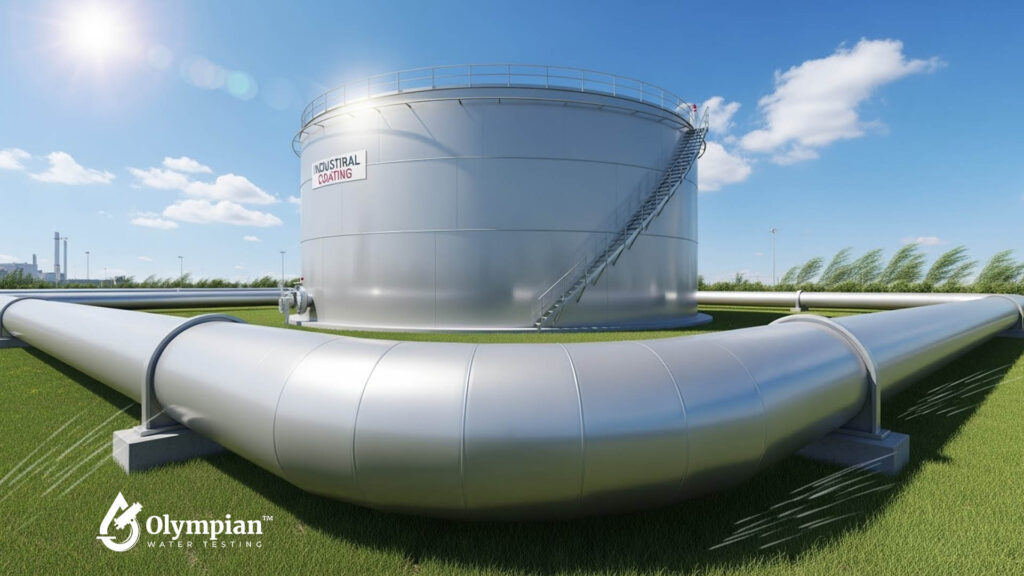
Polyurethane coatings offer exceptional flexibility and UV resistance, making them suitable for outdoor applications. These coatings are often used to protect pipelines and storage tanks from weather-related damage. Their flexibility allows them to accommodate structural movements without cracking, ensuring long-lasting protection.
Polyurea Coatings

Polyurea coatings are known for their rapid curing times and high abrasion resistance. These properties make them suitable for applications where quick turnaround is essential. Polyurea coatings provide a seamless, waterproof barrier that can withstand harsh environmental conditions, making them ideal for use in wastewater infrastructure.
Cementitious Coatings

Cementitious coatings are applied to concrete surfaces to enhance their durability and resistance to chemical attack. These coatings are often used in wastewater treatment facilities to protect concrete tanks and structures from corrosion and physical wear. Cementitious coatings are also valued for their ability to bond with concrete, providing a strong, cohesive layer of protection.
Advances in Coating Technologies
The field of industrial coatings has seen significant advancements in recent years, driven by the need for more effective and sustainable solutions. These innovations have led to the development of coatings with enhanced performance characteristics and environmental benefits.
Nanotechnology in Coatings
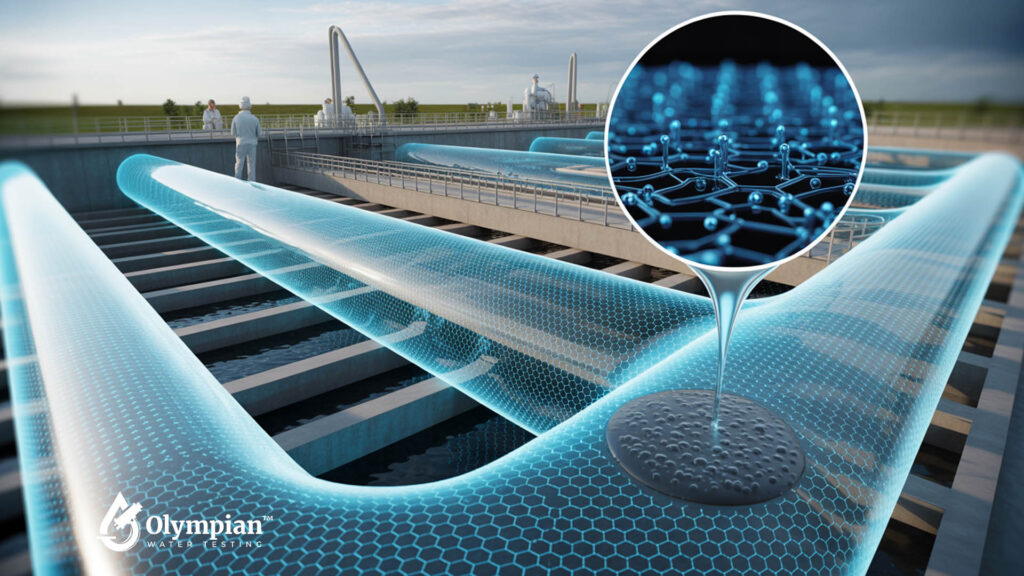
Nanotechnology has revolutionized the development of coatings by enabling the creation of materials with superior properties at the nanoscale. Nanocoatings offer enhanced durability, chemical resistance, and self-cleaning capabilities. These properties make them ideal for protecting wastewater infrastructure from a wide range of environmental stressors.
Eco-Friendly Coatings

As environmental regulations become more stringent, there is a growing demand for eco-friendly coatings that minimize environmental impact. These coatings are formulated with low volatile organic compound (VOC) content and are free from hazardous chemicals. Eco-friendly coatings not only protect infrastructure but also contribute to sustainability efforts.
Smart Coatings

Smart coatings are an emerging technology designed to respond to environmental changes, such as temperature fluctuations or chemical exposure. These coatings can self-heal minor damages or change properties to enhance protection. Smart coatings offer a promising solution for extending the lifespan of wastewater infrastructure while reducing maintenance requirements.
Selecting the Right Coating for Your Needs
Choosing the appropriate coating for wastewater infrastructure requires careful consideration of various factors, including the specific environmental conditions, the type of infrastructure, and the desired performance characteristics. Collaboration with a water quality testing service or environmental consulting firm can provide valuable insights and recommendations tailored to your needs.
Assessing Environmental Conditions

Understanding the specific environmental conditions the infrastructure will be exposed to is critical for selecting the right coating. Factors such as chemical exposure, temperature variations, and UV exposure must be taken into account to ensure the coating’s effectiveness and longevity.
Evaluating Material Compatibility

The compatibility of the coating with the underlying material is another important consideration. Coatings must bond effectively with the substrate to provide optimal protection. Conducting thorough material compatibility tests can help identify the most suitable coating for your infrastructure.
Balancing Performance and Cost
While high-performance coatings offer superior protection, they often come at a higher cost. It is essential to balance performance requirements with budget constraints to select a coating that meets both functional and financial objectives.
Conclusion
Innovative coatings play a vital role in safeguarding wastewater infrastructure, ensuring its longevity and efficiency. By understanding the different types of coatings and advancements in coating technologies, stakeholders can make informed decisions to protect these critical systems. Whether you are an environmental science student seeking to apply this knowledge in academic projects or a client facing water quality issues, embracing these innovative solutions can significantly enhance the resilience of wastewater infrastructure. In addition to protecting wastewater systems, these advanced coatings can help minimize contamination risks, ensuring that treated water meets safety standards. For instance, a drinking water testing lab can assess the efficacy of these coatings in preventing leaching or corrosion, thereby maintaining the integrity of water quality. By incorporating cutting-edge innovations into their maintenance practices, stakeholders can not only extend the lifespan of wastewater infrastructure but also promote a healthier environment for communities.
In conclusion, the integration of cutting-edge coatings into wastewater management strategies is not merely a choice but a necessity for sustainable environmental stewardship. By prioritizing the protection of wastewater infrastructure, we can contribute to the preservation of water quality standards and the overall health of our ecosystems.
Share this on social media:
Facebook
Twitter
LinkedIn