What caused the pool water to turn blue
- Published:
- Updated: April 13, 2025
Summary
Blue pool water is often caused by copper ions, which can enter the water through sources like copper-based algaecides, corroding copper pipes, or well water. Copper oxidizes in the water, creating a blue or green hue. pH levels also play a crucial role in either promoting or preventing this process. Additionally, algae growth can contribute to a blue tint, especially if the water chemistry is imbalanced.
- Copper ions, from algaecides or corroding pipes, oxidize and create a blue hue in pool water.
- Low pH levels can increase the corrosiveness of the water, releasing more copper and affecting the color.
- Algae growth can also cause a blue-green tint if the pool’s sanitization is insufficient.

Maintaining a pristine pool is not merely a matter of aesthetics; it’s about ensuring safety and comfort for swimmers. A pool with sparkling clear water is inviting and provides a sense of luxury and care. However, the sudden alteration in the color of pool water can be perplexing and concerning. It not only affects the visual appeal but can also indicate underlying problems that could compromise the safety and hygiene of the swimming environment. In this article, we explore the causes of blue pool water, unraveling the science behind it, and provide guidance on maintaining optimal pool water quality. Understanding these factors helps in prompt identification and resolution, ensuring a consistently enjoyable swimming experience.
Understanding Pool Water Chemistry

At the heart of pool maintenance lies the intricate balance of water chemistry. Pool water chemistry is more than just adding chemicals; it’s about creating a stable environment where water remains clean, clear, and safe. The color of your pool water can be influenced by several factors, ranging from chemical imbalances to environmental influences. Natural elements like pollen, leaves, and even rainfall can introduce unwanted substances that alter water chemistry. Understanding these elements is crucial for maintaining clear and safe pool water. A well-balanced pool not only looks inviting but also reduces the risk of skin irritations and infections, making regular monitoring and adjustments essential.
The Role of Copper in Blue Pool Water

One of the primary culprits behind blue pool water is the presence of copper ions. Copper can enter pool water through various sources, including the usage of copper-based algaecides, corrosion of copper pipes, or even the fill water, especially if it originates from a well. These sources can vary widely, depending on the age and materials of your pool and its surrounding infrastructure. When copper ions oxidize, they produce a blue or green hue, leading to the discoloration of pool water. This oxidation process is influenced by several factors, including pH levels, chlorine concentration, and overall water balance. Recognizing the signs of copper presence early can help mitigate its effects and preserve water clarity.
The Influence of pH Levels
pH levels play a pivotal role in pool water appearance. They determine the acidity or alkalinity of the water, which affects not only color but also the effectiveness of sanitizers. A low pH can increase the corrosiveness of the water, exacerbating the leaching of metals like copper from plumbing. This can lead to long-term damage to pool surfaces and equipment if not addressed. Conversely, a high pH can reduce the effectiveness of chlorine, leading to potential algae growth, which might also impart a bluish tint. Maintaining a balanced pH is crucial, as it ensures that chlorine can effectively sanitize the water, keeping it free from harmful microorganisms and maintaining its inviting appearance.
The Impact of Algae and Other Microorganisms
Algae growth can also be a reason for blue-tinted water. Algae are not just a nuisance; they can be a sign of poor water balance and inadequate sanitization. Certain types of algae, particularly those that thrive in unbalanced water conditions, can impart a bluish-green hue to the water. These algae can multiply rapidly, especially in warm, sunny conditions, quickly turning clear water cloudy. Algae blooms are often accompanied by cloudiness and can make the water appear less inviting. Besides the visual impact, algae can make pool surfaces slippery and unsafe, emphasizing the need for proactive prevention and treatment.
Testing Pool Water for Accurate Diagnosis

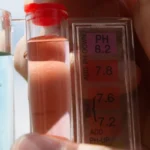
Proper diagnosis of the cause of blue pool water begins with thorough water testing. Testing provides insight into the current state of your pool water, allowing you to make informed decisions about treatment. Utilizing a high-quality test kit is vital for assessing the levels of essential chemicals such as chlorine, pH, alkalinity, and metals like copper and iron. These kits come in various forms, from simple test strips to more advanced liquid reagent kits, each with varying levels of accuracy. Regular testing not only helps in identifying problems but also aids in preventing them by maintaining optimal water conditions.
Regular Monitoring and Testing
Frequent monitoring of pool water chemistry helps in early detection of imbalances and prevents minor issues from escalating into significant problems. Consistent testing allows you to catch changes before they become noticeable, maintaining water quality and safety. Testing should be conducted at least twice a week during peak swimming season to ensure the water remains balanced and safe. This routine should be part of a broader maintenance schedule, including skimming, brushing, and filtering, to keep the pool in top condition.
Advanced Testing Techniques
For those facing persistent issues with pool water coloration, more advanced testing methods may be necessary. These might involve detailed analysis of water samples, often requiring professional intervention to pinpoint the exact cause of discoloration. This could include laboratory analysis of water samples to accurately measure metal concentrations and identify any potential contaminants not detectable by standard test kits. Such detailed evaluations can reveal hidden issues, such as trace metal contamination or organic matter presence, allowing for more targeted and effective solutions. Moreover, engaging in laboratory water testing can also help to uncover seasonal variations in water quality that might contribute to coloration changes. By understanding these fluctuations, pool owners can better anticipate needed treatments throughout the year. Ultimately, the insights gained from such comprehensive analyses not only aid in restoring the aesthetic appeal of the pool but also ensure a safer swimming environment for all users. In addition, laboratory water testing can provide insights into the overall chemical balance of your pool, beyond just the visible discoloration. By assessing parameters such as pH, alkalinity, and chlorine levels, these tests can ensure that all aspects of the pool’s chemistry are in optimal condition. Ultimately, addressing the root causes of water color issues through comprehensive laboratory water testing can lead to a safer and more enjoyable swimming environment.
Pool Maintenance Tips to Prevent Blue Water

Preventive maintenance is key to avoiding unexpected changes in pool water color. A proactive approach not only saves time and money in the long run but also ensures continuous enjoyment of your pool. Here are some tips to keep your pool water clear and inviting:
Maintain Balanced Water Chemistry
- pH Levels: Ensure the pH remains between 7.2 and 7.8. This range optimizes chlorine efficiency and minimizes metal corrosion. Regularly check and adjust pH to accommodate environmental changes and usage patterns.
- Alkalinity and Hardness: Keep total alkalinity between 80 and 120 ppm and calcium hardness between 200 and 400 ppm to stabilize pH levels and prevent scaling or corrosion. Consistent monitoring helps in maintaining these parameters, reducing maintenance efforts and prolonging the life of your pool infrastructure.
Address Metal Contamination
- Regular Water Replacement: Periodically replace some of the pool water to dilute metal concentrations. This simple step can significantly reduce the risk of metal buildup and its associated problems.
- Use of Metal Sequestrants: These chemicals bind with metal ions, preventing them from oxidizing and altering water color. Sequestrants are especially useful in areas with high metal content in the water supply, offering a reliable solution for maintaining clear water.
Monitor and Control Algae
- Consistent Chlorination: Maintain appropriate chlorine levels to inhibit algae growth. Chlorine is your first line of defense against algae, and maintaining its levels ensures ongoing protection.
- Shock Treatment: Regularly shocking the pool helps oxidize organic contaminants and prevent algae blooms. Shocking should be part of a routine maintenance schedule, particularly after heavy use or rainfall, to reset water chemistry and eliminate potential problems.
Practical Solutions for Correcting Blue Pool Water
If you find yourself facing blue pool water, there are practical steps to rectify the issue. Taking swift action can restore your pool’s appearance and prevent further complications.
Removing Copper Ions
- Chelating Agents: These agents can effectively bind copper ions, rendering them inactive and preventing further discoloration. Chelating agents offer a straightforward approach to managing metal content, making them a staple in pool maintenance kits.
- Flocculants: In cases of severe metal contamination, flocculants can help coagulate and remove metal particles through filtration. This process not only clears discoloration but also improves overall water clarity and quality.
Adjusting pH Levels
- Acid or Base Addition: Adjust pH levels by adding muriatic acid to lower pH or soda ash to raise it, ensuring the water remains within the optimal range. Accurate dosing is crucial, as over-correction can lead to further imbalances.
- Regular Monitoring: After adjustments, continue to monitor pH levels closely to ensure stability and prevent recurring issues.
Algae Treatment
- Algaecides: Employ algaecides specifically designed for eliminating algae types that cause discoloration. These products are formulated to target specific algae, providing an effective solution for persistent blooms.
- Brushing and Vacuuming: Physically remove algae from pool surfaces to prevent regrowth. Regular cleaning not only addresses existing algae but also prevents future occurrences by removing potential food sources.
Conclusion
Understanding the factors that cause pool water to turn blue is essential for maintaining a safe and inviting swimming environment. By identifying and addressing these causes, you can ensure your pool remains a source of relaxation and enjoyment. Through regular testing and maintenance, you can ensure your pool remains in top condition. Consistent care prevents small issues from becoming significant, saving time and resources in the long run. By addressing chemical imbalances, metal contamination, and algae growth, you can enjoy crystal-clear water all season long. Stay informed, stay vigilant, and make pool maintenance a priority to prevent unexpected water coloration. These practices not only preserve the beauty of your pool but also enhance the safety and comfort of all who use it.
With these insights and strategies, you can confidently manage your pool’s water quality, ensuring a safe and pleasant experience for all swimmers. Taking an informed approach to pool maintenance ensures a sustainable and enjoyable swimming environment for years to come.
Share this on social media:
Facebook
Twitter
LinkedIn

Related Posts