How many bottles of water equals a gallon of water?
- Published:
- Updated: January 6, 2025
Summary
To answer the question directly:
- A gallon of water (128 fluid ounces in the U.S.) is equivalent to:
- 16 bottles of 8 ounces.
- 7.57 bottles of 16.9 ounces (the common bottled water size).
- 3.78 bottles of 1 liter (33.8 ounces).
This conversion knowledge is useful for planning daily water intake, managing event supplies, and ensuring proper water measurements in water quality tests. Understanding these conversions also aids in making sustainable choices, reducing plastic waste, and opting for larger reusable containers to minimize environmental impact.

Understanding the conversion between bottles of water and gallons can be more than just a mathematical exercise. It can be a practical tool for managing water consumption, planning for events, or even complying with regulatory requirements.
In this article, we will explore the specifics of how many bottles of water equal a gallon. We’ll explore the common sizes of water bottles and how they translate into gallons.
But why is this information important?
Knowing how many bottles of water are in a gallon can help you better plan for your water needs. It can assist in calculating daily water intake, managing water supplies, or even conducting water quality tests.
We’ll also touch on the environmental implications of using bottled water and the importance of maintaining water quality standards.
So, whether you’re an environmental enthusiast, a health-conscious consumer, or someone involved in planning events, this article will provide valuable insights. Let’s dive in.
Understanding Gallons and Ounces
A gallon is a common unit used to measure liquid volume in both the U.S. customary and imperial measurement systems. In the U.S., one gallon is equivalent to 128 fluid ounces. However, the imperial gallon, used in the UK, is slightly larger at 160 UK fluid ounces. Understanding this distinction is crucial, especially when dealing with water measurements across different regions.
When it comes to converting water volumes, fluid ounces are important because they represent the basic unit of liquid measurement. By knowing that there are 128 U.S. fluid ounces in a gallon, you can easily calculate how much water different bottle sizes hold in gallons. This knowledge forms the foundation for all subsequent calculations you may need to perform, whether it’s for daily consumption or for larger planning purposes.
Common Water Bottle Sizes and Their Conversions to Gallons

Water bottles come in various sizes, which might cause some confusion when calculating how many fit into a gallon. The most typical bottle sizes range from 8 ounces to 33.8 ounces, or 1 liter. Each size has its own conversion when measured against a gallon.
The smallest standard bottle size is 8 ounces. To fill a U.S. gallon, you would need 16 of these small bottles. Meanwhile, the popular 16.9-ounce bottle, often found on store shelves, requires about 7.57 bottles to complete a gallon.
Understanding conversions for larger bottles is similarly straightforward. The 1-liter bottle, which equals 33.8 ounces, necessitates roughly 3.78 bottles to amount to a gallon. Remember that these conversions are based on the 128-ounce U.S. gallon standard.
Here’s a quick reference list for clarity:
- 8-ounce bottle: Requires 16 bottles per gallon
- 16.9-ounce bottle (0.5 liters): Requires 7.57 bottles per gallon
- 1-liter bottle (33.8 ounces): Requires 3.78 bottles per gallon
These conversions make it simpler to plan water consumption, be it for daily intake or event planning. Proper conversion knowledge ensures you can measure water accurately, especially in contexts that demand precise volumes for compliance or health reasons.
The Significance of Knowing How Many Bottles of Water in a Gallon
Understanding how many bottles of water make up a gallon is not just a matter of trivia. It plays a crucial role in our daily lives, particularly for those monitoring their water intake. Knowing these conversions can help you ensure adequate hydration each day. This awareness also assists in planning for larger tasks, such as hosting events or preparing for emergencies.
Beyond individual needs, this knowledge is vital in various sectors. For businesses and organizations, accurate water measurement is essential for compliance with regulations and guidelines. Many water quality tests need specific volumes to deliver precise results, making exact measurements indispensable for laboratories and water quality professionals.
Moreover, having clear knowledge about these conversions can contribute to environmental efforts. Understanding how many bottles go into a gallon can prompt better choices when purchasing water. This insight can lead to reduced plastic waste and support sustainability by encouraging the use of larger, reusable containers.
Practical Applications: Planning and Water Quality Testing
In various settings, knowing the number of water bottles in a gallon can greatly enhance planning efficiency. For instance, event organizers can use this knowledge to effectively manage water supplies during gatherings. By converting gallons into smaller bottles, they can ensure that there is adequate hydration available for all attendees.
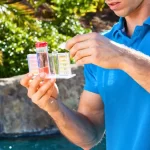
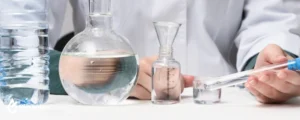
In the realm of water quality testing, precise volume measurements are paramount. Many tests require exact volumes of water to yield accurate results. Understanding bottle-to-gallon conversions allows laboratories and environmental consultants to meet these stringent requirements with confidence. This capability ensures the reliability of test outcomes and helps maintain high water quality standards.
Furthermore, accurate volume measurements are critical for regulatory compliance in industries that manage large water supplies. Precise calculations assist businesses in adhering to environmental regulations and optimizing their water usage. By incorporating knowledge about bottle-to-gallon conversions into their operations, companies can efficiently manage resources while meeting compliance demands.
Environmental Considerations: Plastic Waste and Sustainability
The pervasive use of plastic water bottles raises significant environmental concerns. Each year, millions of bottles end up in landfills, contributing to long-lasting waste. Understanding how many bottles of water equal a gallon can influence purchasing decisions and encourage more sustainable practices.
Opting for larger containers rather than single-use bottles can reduce plastic waste. By choosing reusable water bottles, individuals and organizations can diminish their environmental footprint. This small change not only decreases waste but also promotes a culture of sustainability. Emphasizing such practices leads to a healthier planet and fosters awareness of plastic pollution issues.
Hydration and Health: How Much Water Should You Drink?
Staying hydrated is essential for maintaining optimal health. Water supports vital bodily functions like digestion, circulation, and temperature regulation. Yet, the amount of water one should drink varies based on individual factors.
The often-cited recommendation is eight 8-ounce glasses a day, also known as the “8×8 rule.” However, factors like climate, physical activity, and personal health can affect needs. Calculating your water intake using gallons or bottles provides a clearer picture of your daily consumption. Meeting your hydration needs helps ensure your body functions efficiently, improving well-being and preventing dehydration-related issues.
Tips for Measuring and Managing Your Water Intake
Accurately measuring your water intake can help maintain hydration levels. One effective method is using refillable bottles that have measurement markings. This makes it easy to track consumption throughout the day.
Setting daily hydration goals can also be beneficial. Consider using a journal or app to log the amount of water you drink. By monitoring your intake, you ensure consistency and meet your body’s hydration needs effortlessly.
Conclusion: The Importance of Accurate Water Measurement
Accurate water measurement is vital for several reasons. It ensures compliance with regulations, supports effective water quality testing, and informs consumer habits. Knowing how many bottles equal a gallon helps individuals manage their daily water intake and storage efficiently.
Moreover, water measurement affects environmental sustainability. Reducing plastic waste is possible by opting for larger containers. By understanding precise measurements, we can make informed choices. This aids in conserving resources and minimizing environmental impacts. Accurate knowledge empowers us to adopt sustainable practices and ensure access to safe water for our communities.
Share this on social media:
Facebook
Twitter
LinkedIn