Understanding Water Needs for Kittens
- Published:
- Updated: January 6, 2025
Listen to this article
Summary
Understanding the water needs of kittens is essential for their health. Kittens gradually transition from mother’s milk to drinking water around four weeks of age. This guide covers when and how to introduce water, signs of dehydration, and ensuring water safety.
- Kittens start drinking water around four weeks, transitioning from mother’s milk.
- Water intake depends on factors like diet, activity level, and environmental conditions.
- Safe water practices, including clean bowls and proper hydration habits, are vital for kitten health.

Understanding the water needs of kittens is crucial for their health and development. As a pet owner, you may have questions. When can kittens start drinking water? How much do they need?
This guide aims to answer these questions. It provides valuable information on kitten hydration.
We’ll explore when kittens transition from mother’s milk to water. We’ll also discuss how much water kittens need and how to ensure it’s safe.
Signs of dehydration and how to encourage water intake will also be covered. This guide is a comprehensive resource for kitten owners.
By understanding your kitten’s water needs, you can ensure their health and well-being. Let’s dive into the world of kitten hydration.
When Can Kittens Start Drinking Water?
Kittens’ transition to water is a gradual process. This typically begins around four weeks of age. At this point, kittens start exploring their environment more actively.
Initially, their hydration needs are fully met by their mother’s milk. However, as they grow, they need additional sources of hydration. This is where water comes into play.
To ease the transition, start by providing a shallow bowl of water. Make it accessible and free from obstructions. Ensure the bowl is stable, to prevent spills.
Consider the following steps for encouraging kittens to drink water:
- Introduce water gently.
- Use a small dish that’s easy to reach.
- Keep water fresh and clean.
With patience, kittens will adjust to this new source of hydration. It’s crucial to monitor their progress and ensure they are drinking enough.
The Role of Mother's Milk in Hydration

Mother’s milk provides complete nutrition and hydration for newborn kittens. It meets all their dietary needs during the early weeks. This ensures their growth and immune system development.
Kittens rely on this milk for the first few weeks. It keeps them hydrated and nourished. As they approach four weeks, they begin showing interest in other foods and water.
Mother’s milk remains an essential part of their diet until they fully transition. Ensure the mother cat stays hydrated to support her milk production.
Transitioning to Water at 4 Weeks
At about four weeks, kittens start weaning off milk. They naturally become curious about water and solid food. It’s a critical time for development.
Introduce water slowly to avoid overwhelming them. Place a bowl in a familiar spot where they play. This encourages exploration without pressure.
Initially, they might just paw at the water. That’s a normal behavior as they get used to the new experience. Gradually, they will learn to lap up the water.
It’s important to make this transition as smooth as possible. Ensure the water is always clean and free from contaminants. This helps establish healthy drinking habits early on.
How Much Water Do Kittens Need?
Understanding the right amount of water for kittens is vital. Their water needs depend on age, diet, and activity level. Younger kittens may need less water than those older and more active.
As a general guideline, kittens require about 60-80 milliliters of water per kilogram of body weight. This includes water from their food, particularly if they consume wet food, which is high in moisture.
Monitor your kitten’s water intake to ensure they’re staying hydrated. It helps to have fresh water always available. Encourage regular drinking by refilling the bowl frequently.
Remember, dietary changes impact hydration needs:
- Wet food: Offers substantial moisture, reducing extra water needs.
- Dry food: Increases water requirements significantly.
- Mixed diet: Provides balance; watch for changes in drinking habits.
Keep a close eye on how much your kitten drinks. This can help identify potential health issues early. Adjust water availability based on environmental factors like temperature and humidity.
Factors Influencing Water Intake
Several factors affect how much water a kitten needs. Diet type plays a significant role. Wet food can fulfill up to 70% of a kitten’s moisture requirements.
The kitten’s activity level is another crucial factor. More active kittens require additional hydration to replace fluids lost during play and exercise. Always offer water after playtime to prevent dehydration.
Environmental conditions also influence water needs. High temperatures increase the risk of dehydration. Ensure your kitten has ample water during warm weather.
Monitor any signs of illness, too. Certain health conditions can change a kitten’s hydration requirements. In such cases, consult a veterinarian for guidance.
Signs of Dehydration to Watch For
Dehydration in kittens can have serious health implications. Recognizing the signs early is essential for prompt action. Lethargy is a common indication that your kitten might need more fluids.
A dry mouth is another warning sign. If their gums feel tacky to the touch, they may not be getting enough water. Sunken eyes are more severe indicators of dehydration, requiring immediate attention.
Observe their overall behavior and energy levels. A drop in activity can be a subtle clue. Always ensure fresh water is within easy reach.
If you suspect dehydration, offer small amounts of water at regular intervals. In more urgent situations, consulting a veterinarian is crucial. They might recommend additional interventions to restore hydration promptly.
Ensuring Safe Water for Kittens
Providing clean, safe water is crucial for kittens’ health and development. The quality of water they consume directly impacts their wellbeing.
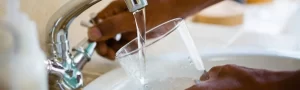
Tap water is a common source, but it can vary greatly in quality. It may contain pollutants that could affect kittens negatively.
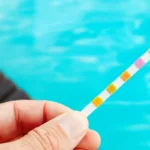
To ensure safety, consider testing your water for contaminants. There are multiple options to maintain water safety:
- Install water filters: Removes chemicals and bacteria.
- Use bottled water: A safer alternative if tap water quality is questionable.
- Boil water: An effective method to kill germs.
Regularly assess water quality. Any unusual tastes or odors could deter kittens from drinking. Change the water frequently to keep it fresh.
Discuss with a vet if unsure about water safety. They can advise on the best practices for your area. Safe water contributes to a kitten’s overall health and helps prevent diseases.
Water Quality and Potential Contaminants
Water quality can vary significantly based on geography and infrastructure. Contaminants in water may include chemicals, heavy metals, and microorganisms, all of which can pose risks to kittens.
Understanding your local water supply is important. Public water systems are generally safe, yet occasional issues can arise. In rural areas, wells may be subject to contamination from runoff.
Consider the possible presence of lead and chlorine. These substances can be particularly harmful to kittens with their smaller body masses and developing systems.
Investing in a good water filter can mitigate many of these risks. Ensure that whatever method you choose effectively removes potential hazards. Prioritize your kittens’ safety by ensuring their water is pure and free from harmful substances.
Water Bowls: Best Practices for Safety and Hygiene
Selecting the right water bowl can prevent health issues and promote regular drinking habits in kittens. Stainless steel or ceramic bowls are recommended over plastic, which can harbor bacteria and cause chin acne.
Place the bowl in an easily accessible location to encourage drinking. Avoid areas with heavy foot traffic or where the kitten might be startled.
Regular cleaning is essential. Wash the water bowl with mild soap and hot water daily. Rinsing thoroughly ensures no soap residues remain, which could discourage drinking.
Change the water at least once a day, more frequently if possible. Fresh water is more appealing to kittens and helps maintain their interest.
Keep an eye on the bowl’s condition. Cracks or scratches can harbor bacteria, posing a health risk. Replace damaged bowls promptly to ensure optimal hygiene.
Encouraging Kittens to Drink Water
Getting kittens to drink water regularly can sometimes require creative approaches. Young kittens, transitioning from mother’s milk, may need encouragement to develop this habit.
Observing your kitten’s drinking habits is key. If they show reluctance, consider these strategies:
- Introduce different bowls or fountains: Variety can stimulate curiosity.
- Place water in multiple locations: Makes it easier for them to hydrate.
- Mix water with favorite treats: Helps associate drinking with positive experiences.
Kittens also imitate behavior, so having another pet that drinks regularly can help. They might be more inclined to drink if they see an older cat doing it.
Be patient during this transition. It takes time for kittens to adapt to new routines. Praise and gentle encouragement can reinforce positive behavior. Monitor their drinking habits and make adjustments as needed to ensure adequate hydration.
Using Wet Food to Increase Hydration
Wet food can significantly boost a kitten’s water intake. It contains more moisture than dry kibble, naturally supplementing their hydration needs.
Gradually incorporate wet food into their diet if they show signs of dehydration. Mix it with their usual diet to ensure they continue to eat well. The extra moisture from wet food is beneficial, especially for kittens who are not keen on drinking water.
It might also attract kittens with its enticing aroma, making it an effective way to ensure they get more fluids. Consult with your veterinarian for specific dietary recommendations to balance hydration and nutrition.
Water Fountains and Other Strategies
Water fountains can be a great tool to encourage drinking. The sound of flowing water draws kittens in, making them more interested in drinking.
Consider using a fountain with a gentle flow. This can be less intimidating for shy kittens and encourages playful interaction. The movement of water can make it more appealing and fresh-tasting to kittens.
In addition, you can try dripping taps. Allowing a tap to drip occasionally can also fascinate kittens, providing another opportunity to drink. However, be mindful of water conservation.
Introduce play around water sources. This helps reduce fear and increases comfort. Toys near the water bowl can make drinking a part of their fun activities. Always supervise young kittens during these interactions to prevent accidents.
Conclusion: The Importance of Monitoring Kitten Hydration
Hydration is critical to a kitten’s health and development. Regular monitoring ensures they remain in optimal health. Observing their drinking habits can help catch issues early.
Adequate water intake aids digestion, flushes toxins, and supports organ function. It also contributes to their energy levels and cognitive development.
Ensuring kittens have access to clean, safe water is a simple yet vital part of their care. By establishing good hydration habits now, owners set the foundation for a healthy, thriving cat.
Share this on social media:
Facebook
Twitter
LinkedIn

Related Posts