Staying Healthy and Safe in Recreational Waters
- Published:
- Updated: January 6, 2025
Listen to this article
Summary
Recreational water activities are fun, but safety is essential for a healthy experience. By being aware of hazards, understanding water quality, and practicing safety measures, you can ensure a safe outing in any water setting.
- Be aware of common water hazards like pathogens, chemical pollutants, and strong currents.
- Always check water quality reports and choose safe swimming areas with clear signage and lifeguards.
- Use flotation devices during water sports, protect your skin from the sun, and stay hydrated.
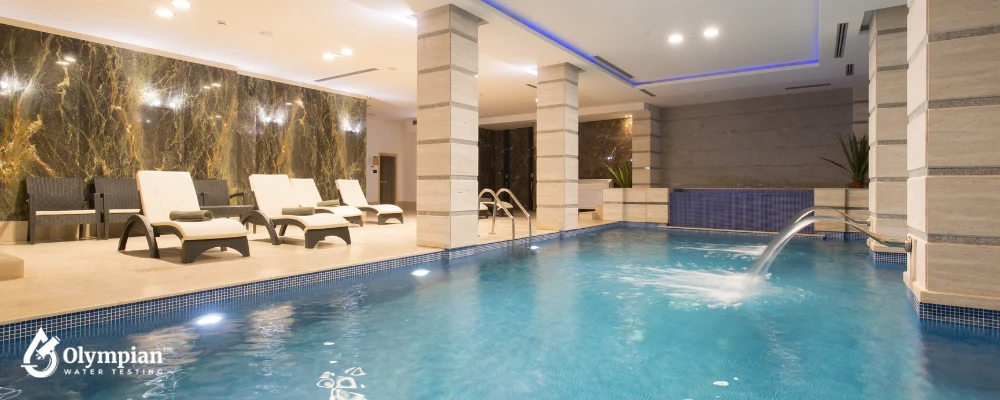
Recreational water activities are a source of joy and relaxation for many. They offer a chance to unwind, connect with nature, and engage in physical activity.
However, safety should always be a priority.
Understanding recreational water safety is crucial for ensuring a fun and safe experience. It involves being aware of potential hazards, knowing how to respond to emergencies, and taking steps to protect your health.
This article aims to provide valuable information on recreational water safety. It will cover common hazards, the importance of water quality testing, and practical tips for staying safe in and around water.
Whether you’re planning a beach vacation, a boating trip, or a swim in your local pool, these insights will help you make informed decisions.
Let’s dive in and explore how to stay healthy and safe in recreational waters.
Understanding Recreational Water Safety
Recreational water safety is all about awareness and preparation. It involves understanding the risks associated with different water activities and environments. These risks can range from physical dangers like currents and obstacles to health hazards such as bacteria and chemicals.
Being informed means knowing what safety measures to take and recognizing potential warning signs. Local advisories and beach closures often indicate unsafe conditions, whether due to pollution, strong currents, or other hazards. Understanding these signs helps you make wise choices when enjoying water activities.
Common Hazards in Recreational Waters

Recreational waters can host a variety of hazards. These hazards can affect both health and safety. It’s crucial to be aware of them before engaging in water activities.
Common hazards include:
- Pathogens: Bacteria like E. coli can cause illness.
- Chemical pollutants: Industrial runoff can lead to contamination.
- Physical dangers: Rocks and strong currents pose risks.
Understanding these hazards helps in taking preventative steps. For instance, it’s wise to avoid swimming after heavy rains. Rains can carry pollutants into bodies of water, increasing contamination risks.
In addition, monitoring water quality reports can provide valuable insights. These reports often inform the public of current water conditions. They are essential for making safe decisions about when and where to swim.
The Role of Water Quality Testing
Water quality testing is vital for ensuring safe recreational environments. It helps detect contaminants that can harm health. Testing is typically conducted by local health agencies and environmental groups.
Regular testing identifies issues early, allowing for timely action. When contamination levels rise, beaches may be closed to safeguard public health. These closures prevent exposure to harmful bacteria or chemicals.
Moreover, testing results are critical for public awareness. They inform people about safe water conditions. Before planning any water activities, it’s wise to check recent water quality reports. This ensures a safe and enjoyable experience in recreational waters.
Tips for Identifying Safe Swimming Areas
Choosing a safe swimming spot involves careful observation. Being mindful of environmental cues can help you stay safe. Look for areas with clear signage and lifeguards on duty.
Here is a list of things to consider when determining if an area is safe for swimming:
- Water clarity and visibility
- Presence of lifeguards
- Local water quality advisories
- Absence of warning signs or pollution
- Shelter from strong currents or tides
Before swimming, make sure the spot is officially designated for recreation. Signs of pollution or algal blooms indicate potential danger. Always heed posted signs and local advisories to avoid risks.
Supervision and Drowning Prevention
Drowning happens quickly and quietly. Close supervision of children and weak swimmers is crucial at all times. Even adults should avoid swimming alone to reduce risk.
Always ensure an adult is designated as a ‘water watcher’. This person’s sole task is to keep an eye on swimmers. Regular swimming lessons are also vital. They boost confidence and skills in the water, contributing to safety.
Personal Flotation Devices and Water Sports Safety
Wearing personal flotation devices (PFDs) is vital. They significantly improve safety during water sports. PFDs should fit snugly and meet safety standards.
When boating or engaging in activities like kayaking, ensure everyone wears a life jacket. Experienced swimmers are not exempt from this rule. Unexpected situations can occur, making life jackets a critical safety measure.
Equipment checks should be routine before water activities. This includes inspecting boats, boards, and other gear for damage. Proper maintenance reduces the risk of accidents, ensuring a safe and enjoyable experience. Always prioritize safety precautions for a fun day on the water.
Sun Protection and Hydration
Protecting your skin and eyes from the sun is essential during recreational water activities. Sunscreen with a high SPF should be applied regularly. Don’t forget to reapply after swimming or sweating to maintain its effectiveness.
Hydration is equally important. Spending extended periods in the sun can lead to dehydration. Drink water frequently even if you don’t feel thirsty. Proper hydration helps prevent heat-related illnesses, ensuring you enjoy the day safely. Remember, staying protected and hydrated enhances your overall water experience.
Recognizing and Responding to Water Distress
Identifying the signs of water distress can save lives. Look for individuals struggling to stay afloat or exhibiting panic, silence, and submerged movements. Immediate action is crucial. Always call for help and use available flotation devices to assist safely.
If possible, throw a life ring or extend a reaching tool to the distressed person. Avoid endangering yourself by entering the water unless trained in rescue techniques. Knowing how to recognize and respond to water distress ensures a quicker and safer resolution, protecting both the rescuer and the person in distress.
Waterborne Diseases and How to Protect Yourself
Recreational waters can host various pathogens like E. coli, Giardia, and Cryptosporidium. These can cause illnesses ranging from mild stomach upset to severe infections. Recognizing contaminated water is not always easy, as pathogens are often invisible to the naked eye.
To reduce risk, avoid swimming in water that looks murky or has a foul odor. Follow all posted advisories and beach closures. Showering before and after swimming helps remove contaminants from your skin. By taking these precautions, you can significantly lower your chances of contracting waterborne diseases, ensuring your aquatic adventures remain enjoyable and safe.
Conclusion: The Importance of Being Informed and Prepared
Being informed about recreational water safety is vital for your health and well-being. Understanding water conditions and potential risks empowers you to make better choices. Always check local advisories before heading to the water and respect any warnings issued.
Preparation is as crucial as awareness. Equip yourself and your family with the necessary skills and knowledge for water safety. This includes knowing how to respond to emergencies, using flotation devices, and ensuring children receive swimming lessons. Taking these proactive steps ensures safer and more enjoyable experiences in recreational waters, ultimately promoting a culture of care and responsibility.
Share this on social media:
Facebook
Twitter
LinkedIn

Related Posts