Corrosivity and Municipal Water Treatment: Corrosion Control Methods
- Published:
- Updated: December 16, 2024
Listen to this article
Summary
Corrosivity in municipal water systems refers to the potential of water to corrode pipes and infrastructure, leading to damage and health risks. Corrosive water can cause metals like lead and copper to leach into the water, posing significant health risks such as developmental issues in children and organ damage in adults. Controlling corrosivity involves pH adjustment, adding corrosion inhibitors, and using anti-corrosive materials.
- Corrosive water causes infrastructure damage and health risks by leaching metals like lead and copper.
- Methods to control corrosion include pH adjustment, corrosion inhibitors, and the use of anti-corrosive materials.
- Future developments focus on innovative technologies like nanotechnology and predictive modeling for better corrosion control.

Corrosivity is the silent enemy of water infrastructure – a natural process that in the long run can wear down our most sensitive infrastructure. An invisible killer, corrosivity can cause everything from infrastructure damage to disease. And in municipal water treatment, knowing and managing corrosivity is not only an operational issue but also a public health one.
The Science of Corrosivity
Corrosivity simply means the potential of water to corrode, or degrade, things it touches, notably metals. It’s a messy affair that’s influenced by water conditions such as pH, temperature, TDS, and even the presence of ions such as chloride and sulphate.
Corrosion is a natural phenomenon but when it does happen in municipal water systems, the consequences are long-lasting and costly. Pipes, fittings and fixtures rust and over time can leak and break. Worse still, corrosive water can let metals from pipes, such as lead and copper, leach into the water supply and pose health threats.
What are the implications of corrosive water in municipal supplies?
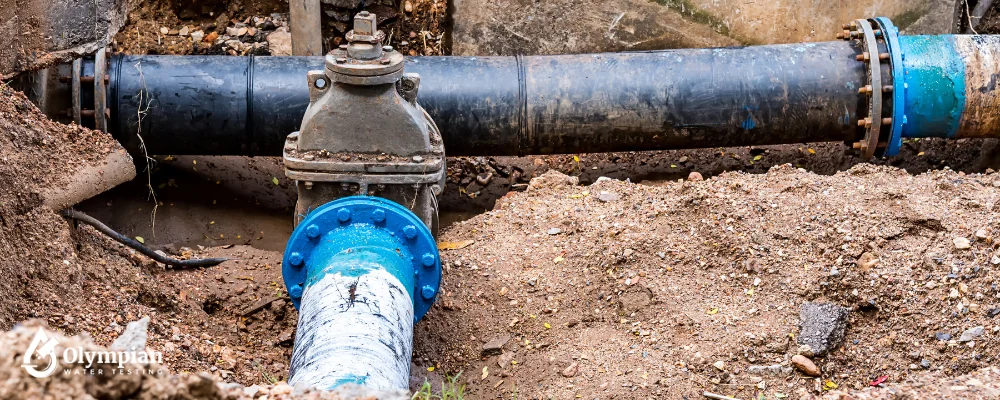
Aqueous water damages city water systems. It will destroy infrastructure, it will have to be repaired and replaced all the time, and it is very expensive. Municipalities might need to shell out a lot of money to repair and replace their infrastructure – a cost that may end up in the water bills of customers.
More than the financial factor, water infrastructure’s physical integrity is the lifeblood of the service. Corroded leaks and burst pipes can shut off water to your home or business. Such situations are extremely inconvenient for the community, and may even have wider social consequences in places where clean water is not easy to find.
Health Implications of Corrosive Water
Not only is corrosive water a structural problem, it’s a public health one. Metals can also leach into the water when water corrodes metal pipes and get to harmful levels. Lead and copper are especially concerning as they have been associated with a range of illnesses.
Even low levels of lead damage children’s brains and cause them to have learning and behaviour issues. It raises blood pressure in adults and damages kidneys. Copper, on the other hand, can cause stomach pains, vomiting and diarrhoea in the short term, and kidney and liver disease in the long. The control of corrosivity in municipal water supply is thus critical to protecting public health.
Detecting Corrosivity in Water Supplies
It’s important to be able to see the corrosivity of water and prevent it from getting out of control. That includes measuring parameters of the water, including pH, temperature, TDS, and the levels of corrosion-active ions.
More sophisticated testing can give a fuller picture of water corrosivity. These could be lab procedures like atomic absorption spectroscopy for metals that have leached into the water and are indicative of corrosivity. Testing is necessary on a regular basis to keep the water supply in acceptable ranges of corrosivity and to have problems quickly fixed.
Current Corrosion Control Practices in Municipal Water Treatment
Containing corrosivity is part of the municipal water treatment process. As a solution, pH is being controlled, corrosion protections are applied, anti-corrosive coatings are applied to water lines.
Adjusting the pH means adding substances to the water that would reduce the acidity — acidic water is corrosive.
Corrosion inhibitors are substances added to the water which form a barrier on the internal surface of pipes that stops corrosion.
Anti-corrosive materials, like plastic or special coated metals can replace the normal ones so that corrosion doesn’t happen at all.
Innovative Technologies in Corrosion Control
New technology is constantly emerging for the corrosion prevention of water pipes. These range from new and more potent corrosion inhibitors to smart technologies to detect and monitor corrosivity.
A case in point is the development of better corrosion inhibitors using nanotechnology. The other technology that looks promising is predictive modeling — where data on water quality and pipe composition can predict corrosion areas to look for and then plan maintenance and upgrades.
Policy and Regulation Surrounding Corrosive Water
Policies and regulations control corrosivity of municipal water sources. They dictate what is acceptable corrosivity, and dictate what water providers should do about it.
Such policies tend to be based on science of corrosivity and effects. They determined standards for water properties that are affected by corrosivity – including pH and ion content – and for the level of metals in the water that should be taken seriously to indicate corrosion. The guidelines are also for corrosion control measures.
The Future of Corrosion Control in Municipal Water Systems
The future of corrosion management in municipal water systems, then, looks like this:
Continuation of scientific research and technological development will result in improved and efficient corrosion prevention.
Changes to policy and regulations will respond to evolving information and society demand higher standards of corrosivity management.
New public knowledge and involvement will prompt a demand for less toxic, less harmful water.
Our water supply’s problem with corrosivity is complex and interconnected. But with knowledge, innovation and persistence, it’s one we can certainly confront if we want our water infrastructure to be sustainable and our water sources safe.
Conclusion
For municipal water treatment, corrosion is an infrastructure and public health issue. Water corrodes pipes, which causes water to leak, cause infrastructure to breakdown and lead and copper to leach into drinking water. This not only cost water utilities by requiring repeated repairs, but also presents health hazards for the public – especially those with fragile conditions such as children and the elderly. So reducing and controlling corrosivity is important for water safety and infrastructure preservation.
Most modern corrosion controls (Ph adjustment, corrosion inhibitors, anti-corrosive products, etc) are effective in minimizing the threat of corrosive water. But the future of corrosion control depends on innovation. Nanotechnology for stronger corrosion inhibitors and predictive modeling for anticipating corrosion issues can all help mitigate and prevent corrosion in municipal systems. In combination with new regulations and public education, such improvements will ensure the quality of water for people to drink and the longevity of local water infrastructure.
Share this on social media:
Facebook
Twitter
LinkedIn