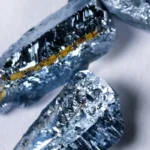
Iron: Understanding Its Bioavailability in Drinking Water
- Published:
- Updated: January 2, 2025
Listen to this article
Summary
Iron, essential for human health, can be found in drinking water through natural sources or corroded pipes. Its bioavailability—the portion the body absorbs—varies, and while necessary in small amounts, excessive intake can cause issues like iron overload. Testing and treatment methods are crucial to managing iron levels in drinking water.
- Bioavailable iron depends on its chemical form and individual health.
- High levels of iron can lead to health problems like gastrointestinal upset and iron overload.
- Treatment options include oxidation, ion exchange, and reverse osmosis to control iron in water.

Iron, an essential part of the crust, gets infected into our water from a variety of natural and human-caused sources. Even when in trace amounts, it supports many biological functions including oxygen transport. Yet if our water supplies are too iron-rich, health problems and water quality issues result. It becomes crucial, then, to know the bioavailability of iron – the proportion of iron taken up and used by the body.
Iron in Drinking Water: Sources and Consequences
Iron also enters water supplies from the environment (from natural rock formation) or through iron-containing metal corrosion. The iron can also leach into the water supply from industrial effluents, from time to time. There can be different levels of iron in water, and so there can be a variety of effects.
An excess of iron leads to water that tastes metallic and rusty, and it stains laundry and plumbing pipes. Although there is no risk from drinking iron, when consumed too much it can cause problems such as iron overload, especially for those who have a genetic predisposition. Bioavailable iron, on the other hand, is useful in areas where iron is lacking.
The Concept of Bioavailability

Bioavailability: Bioavailability is the percentage of a nutrient (here iron) that gets into the body and gets used up. This is a very important idea because not all of the iron consumed by body in food or water will be consumed by the body. Bioavailability of iron is not an independent variable.
Knowing how much iron bioavailability in water matters because it has a direct effect on health. It determines how much iron is provided nutritionally by drinking water per unit of iron intake. The knowledge of this can help inform public health interventions in areas with nutritional iron deficiency.
Factors Influencing Iron Bioavailability in Drinking Water
Iron bioavailability in water can be affected by many factors. These include:
Type of iron in it: Ferrous iron (Fe2+) is easier to absorb than ferric iron (Fe3+).
Other nutrients: Some nutrients such as ascorbic acid (vitamin C) may promote iron absorption and some such as calcium might depress it.
Personal condition: For example, people who are iron deficient usually take dietary iron better.
The interplay of these interacting variables can make bioavailability of iron in water very different, making it an issue that is hard to track and regulate.
Health Effects of Bioavailable Iron
Humans need iron, which is an essential mineral for transporting oxygen and making DNA. By drinking water with bioavailable iron, the body’s iron requirements can be met, especially in areas where it is hard to get other sources of dietary iron.
But in excess of bioavailable iron, people can become sick, especially those with disorders that facilitate excess iron absorption. These diseases can be as simple as digestive problems, to something like haemochromatosis, an iron-overload disease.
Testing Methods for Determining Iron Bioavailability
To measure iron’s bioavailability in water is very difficult. These are, in general, methods designed to mimic the conditions in the human gut, where iron is absorbed.
They usually involve placing a sample of water under conditions that mimic the acidity and enzymes of the stomach and intestines. If you can calculate the fraction of bioavailable iron that’s lost to these circumstances by measuring the amount that’s not taken up.
Treatment Methods to Control Iron Levels in Water
Several iron removal treatment methods can reduce iron concentration in water:
Oxidation: This breaks down soluble iron into insoluble elements, which can be washed out.
Ion exchange: A resin ‘snares’ iron ions and exchanges them for benign ions such as sodium.
Reverse osmosis: The reverse osmosis process can remove iron by forcing water through a semi-permeable membrane.
These are all good and bad methods, and which you choose usually depends on the state of the water supply system.
Regulatory Guidelines for Iron in Drinking Water
The only regulatory standard that applies to iron in drinking water is an aesthetic one, as excess iron changes the colour, taste and staining ability of the water. But such rules also help to protect against too much iron.
These regulations differ by country and agency, in keeping with different scientific insights and public health priorities. To ensure that these regulations are followed is essential for public health as well as drinking water consumer trust.
Practical Tips for Managing Iron Intake from Drinking Water
There are a few things that people can do to control their intake of bioavailable iron from water. These include:
Check home water regularly for iron, especially if it is private well water.
Consider a water treatment plant if the iron level goes way above a reasonable threshold.
(If needed, go for alternative water sources for drinking and cooking).
It’s important to weigh the demand for iron from a diet with the risks associated with too much of it. If you can learn how much iron is present in your water, you can make the right choices about your water and health.
Conclusion
Finding out how bioavailable iron is in drinking water will help both ensure that you get the right nutrient supply and also avoid health problems associated with too much iron. Iron is important for oxygen delivery and health, but too much bioavailable iron – in parts of the country where the concentrations of iron in drinking water are high – can result in haemochromatosis in vulnerable individuals. Regulatory standards are mostly about appearance, but also serve the public health function by regulating iron levels in water.
And communities can control iron in water supply by periodic testing, oxidation, ion exchange and reverse osmosis. For people, knowing iron levels and taking precautions like using appropriate water filtration systems will balance the advantages of iron in the diet against overexposure. If we all know how to learn about it and take the necessary precautions, then everyone — both public officials and residents — will know that their water is safe and healthy.
Share this on social media:
Facebook
Twitter
LinkedIn

Related Posts