

Sulfur-Reducing Bacteria In Municipal Drinking Water
Prepared by:
R & D Department of Olympian Water Testing™
Fact Checked by
Dr. Yasir A. Rehman PhD

Table of Contents

Introduction to Sulfur-Reducing Bacteria (SRB)
Sulfur-reducing bacteria (SRB) are a group of anaerobic microorganisms that play a crucial role in the biogeochemical sulfur cycle. These bacteria are unique in their ability to reduce sulfate (SO₄²⁻) to hydrogen sulfide (H₂S) during their metabolic processes. This reduction is coupled with the oxidation of organic or inorganic compounds, which provides the energy required for their growth and reproduction. The production of hydrogen sulfide, a gas with a distinctive foul odor, is a characteristic feature of SRB activity.
SRB are widely distributed across various environments. In natural settings, they are found in marine and freshwater sediments, swamps, and marshes. Their role in these environments is essential for recycling sulfur compounds, thereby maintaining the balance of sulfur in the ecosystem. By converting sulfate to sulfide, SRB contribute to the natural sulfur cycle and support the broader microbial community.
In industrial contexts, SRB are of significant concern due to their ability to cause microbial-induced corrosion of metals. This corrosion can lead to substantial economic losses and operational challenges, especially in oil fields, pipelines, and wastewater treatment facilities. The presence of SRB in these settings is also problematic due to the production of hydrogen sulfide, which is not only corrosive but also poses serious health and safety risks due to its toxicity.
Despite the challenges they pose, SRB also offer potential benefits. Their metabolic processes are harnessed in bioremediation efforts to clean up contaminated environments. Additionally, SRB are involved in sulfur recovery processes, which can be advantageous for managing sulfur waste and recovering valuable sulfur compounds.
Understanding SRB is crucial for managing their impact in both environmental and industrial settings. Research and technological advancements focus on controlling SRB activity through various methods, including environmental modifications, the use of biocides, and bioremediation techniques. These efforts aim to mitigate the negative effects of SRB while leveraging their beneficial applications.
Sulphur-reducing bacteria are integral to the sulfur cycle and have a profound impact on both natural ecosystems and industrial processes. Their unique metabolic capabilities and the associated production of hydrogen sulfide make them a key focus of research and management, highlighting the need to balance their ecological benefits with the challenges they present.

Purpose of the White Paper
The purpose of this white paper is to provide a comprehensive overview of sulfur-reducing bacteria (SRB), their ecological and industrial significance, and the challenges associated with their management. This document aims to elucidate the role of SRB in the sulfur cycle, their impact on various environments, and the economic and health implications of their activities. By presenting detailed information on SRB’s biochemical characteristics, distribution, and effects, the white paper seeks to enhance understanding among stakeholders, including researchers, industry professionals, and policymakers.
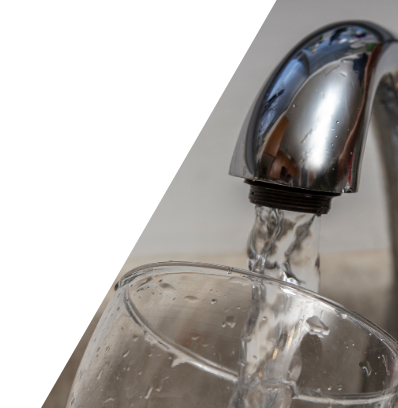
Additionally, the white paper serves as a guide for developing and implementing effective strategies for managing SRB in both environmental and industrial contexts. It reviews current regulatory standards, emerging technologies, and best practices for monitoring and controlling SRB-related issues. By consolidating existing knowledge and offering actionable insights, the white paper aims to support informed decision-making and promote sustainable practices for mitigating the challenges posed by SRB while harnessing their potential benefits.
History of Sulfur-Reducing Bacteria (SRB)
The study of sulfur-reducing bacteria (SRB) dates back to the late 19th and early 20th centuries, when scientists first began to understand the role of microorganisms in sulfur cycling. Early observations identified bacteria capable of reducing sulfate to hydrogen sulfide (H₂S), a process now recognized as a key part of the sulfur cycle.

1- Initial Discoveries:
- In the late 1800s, scientists like Theodor Escherich and Louis Pasteur began exploring microbial processes in various environments. Although their work was more general, it laid the groundwork for understanding microbial roles in chemical transformations, including sulfur reduction.
- In 1893, Bernard C. McFadden and Hugo Müller isolated and characterized sulfate-reducing bacteria from diverse environments, including sediments and soil. These early studies highlighted the unique metabolic capabilities of SRB and their ability to produce hydrogen sulfide.
2- Development of SRB Classification:
- In the 20th century, microbiologists such as Sven T. E. Ø. Thalassinos and Frederick W. H. B. Wilke further classified and characterized SRB based on their physiological and biochemical properties. The identification and classification of SRB into different genera and species became more refined with advances in microbiological techniques.
Molecular and Genetic Insights:
The advent of molecular biology in the mid-20th century revolutionized the study of SRB. Techniques such as DNA sequencing and polymerase chain reaction (PCR) allowed scientists to explore the genetic makeup of SRB and understand their metabolic pathways in greater detail.
In the 1970s and 1980s, researchers like Carl R. Woese and George Fox used ribosomal RNA sequencing to study the phylogenetic relationships of SRB, leading to the identification of distinct SRB groups and their evolutionary significance.
Industrial and Environmental Impact:
In the latter half of the 20th century, the focus shifted to the practical implications of SRB in industrial settings, particularly concerning their role in microbial-induced corrosion of pipelines and tanks. This led to increased research on methods for controlling SRB and mitigating their effects in various industries.
Modern Research and Applications:
Recent decades have seen significant advancements in understanding SRB’s role in bioremediation, wastewater treatment, and environmental management. Research has expanded into utilizing SRB for beneficial applications, such as bioremediation of contaminated environments and sulfur recovery processes.
The development of advanced analytical techniques, such as mass spectrometry and advanced imaging, has further enhanced the ability to study SRB in diverse environments.
Current Research:
Today, research on SRB continues to evolve, focusing on their ecological roles, interactions with other microorganisms, and potential applications in sustainable technologies. Scientists are exploring new ways to harness SRB for environmental and industrial benefits while addressing their adverse effects.
Challenges and Opportunities:
Managing SRB remains a challenge due to their ability to thrive in extreme environments and their impact on infrastructure. Ongoing research aims to develop innovative solutions for controlling SRB while leveraging their potential benefits in areas like bioremediation and bioenergy.
Characteristics of Sulfur-Reducing Bacteria
Anaerobic Nature
SRB are anaerobic, meaning they thrive in low-oxygen or oxygen-free environments. They are commonly found in sediment layers, biofilms in pipes, and other areas where oxygen is limited. These bacteria use sulfate (SO₄²⁻) or other sulfur compounds as electron acceptors in their metabolic process, reducing them to hydrogen sulfide (H₂S) as a byproduct. This ability to survive and multiply in oxygen-deprived environments makes them particularly problematic in areas with stagnant water or low flow in municipal water systems (1)
Common Species
Several species of SRB are frequently found in water systems. Some of the most common genera include:
- Desulfovibrio
Known for its rod-shaped cells and motility, Desulfovibrio species are among the most studied SRB. They are capable of reducing sulfate to sulfide and are often found in both natural environments (such as soils and sediments) and engineered environments (like water pipes).
- Desulfotomaculum
These bacteria are spore-forming and can survive in extreme conditions, such as high temperatures and salinity. This genus is often detected in groundwater and hot springs.
- Desulfomonas
These SRB are less commonly found but are still significant in specific environments like marine sediments. They are involved in sulfur cycling and can influence the chemistry of the surrounding environment.
Hydrogen Sulfide Production
SRB produce hydrogen sulfide (H₂S) as a byproduct of their metabolism. H₂S is a toxic gas with a characteristic "rotten egg" odor, which can cause significant aesthetic and sensory issues in drinking water. Even at low concentrations (as low as 0.5 parts per million), H₂S can impart a foul odor, affecting the perceived quality of drinking water.
Corrosion Potential
SRB can cause biocorrosion or microbially influenced corrosion (MIC) in water distribution systems. Hydrogen sulfide reacts with metal components of pipes, especially iron, steel, and copper, leading to the formation of iron sulfide and other corrosive byproducts. This can cause structural damage to pipelines, necessitating costly repairs or replacements.
Health Implications
While SRB themselves are not typically harmful, their metabolic byproducts can pose health risks. In confined spaces, high concentrations of hydrogen sulfide can cause respiratory problems, eye irritation, nausea, and even death in extreme cases. In drinking water, the primary concern is the unpleasant odor and potential gastrointestinal discomfort from ingesting water with high sulfide levels. (2)
Sources of Sulfur-Reducing Bacteria (SRB) in Municipal Drinking Water
Sulfur-reducing bacteria (SRB) can enter and thrive in municipal drinking water systems through various sources and entry points. These bacteria are naturally occurring in many environments but can become problematic in water supplies if not adequately controlled. Here is an overview of the main sources of SRB in drinking water, along with references and links for further reading.
Groundwater Sources
SRB are often present in groundwater, especially in aquifers that contain high levels of organic matter or sulfate. Groundwater that passes through sulfur-containing minerals (such as gypsum or pyrite) can dissolve sulfates, providing a nutrient source for SRB. In areas where groundwater is the primary source of drinking water, SRB can be introduced into the municipal water supply if the groundwater is not adequately treated. (3)
Sediments in Water Bodies
Lakes, rivers, and reservoirs used as sources for drinking water can contain SRB in their bottom sediments. These bacteria thrive in the anaerobic conditions often found in sediments rich in organic material. When water is drawn from these sources, SRB may enter the water treatment process, especially if the intake points are near sediment layers. (4)
Biofilms in Water Distribution Systems
SRB can colonize biofilms on the inner surfaces of pipes and storage tanks in water distribution systems. Biofilms provide a protective environment for these bacteria, enabling them to persist even when water treatment processes reduce their numbers temporarily. Biofilms often develop in areas with low water flow, dead ends, or stagnant zones in the distribution network. (5)
Organic Matter and Corrosion Byproducts in Pipes
SRB can thrive in environments where there is a significant accumulation of organic matter or corrosion byproducts, such as rust and sludge, within the water distribution infrastructure. The decomposition of these materials can create anoxic (oxygen-depleted) conditions and provide nutrients that promote the growth of SRB. This is particularly common in older water systems with corroded or poorly maintained pipes. (6)
Industrial Contamination
Industrial discharges and agricultural runoff can introduce sulfate and organic contaminants into surface and groundwater sources. These contaminants serve as nutrients for SRB, facilitating their growth and proliferation in the affected water bodies. Improperly managed waste from industries like mining, paper mills, and petroleum refining can increase sulfate concentrations in water sources, promoting SRB activity. (7)
Septic Systems and Sewage Leaks
Septic systems, sewage leaks, and other sources of organic pollution can introduce SRB into groundwater and surface water. The breakdown of organic matter in these systems produces an anaerobic environment that is ideal for the growth of SRB. If these systems are located near municipal water sources, they can contribute to contamination. (8)
Mechanism of Sulfur-Reducing Bacteria in Municipal Drinking Water
Sulfur-reducing bacteria (SRB) use sulfate as a terminal electron acceptor in their metabolic process, reducing it to hydrogen sulfide (H₂S). This mechanism is key to their survival in anaerobic environments and plays a significant role in various environmental and industrial processes, including the degradation of organic matter, sulfur cycling, and biocorrosion of metals in municipal water systems.
Here is an overview of the mechanism by which SRB function, along with references and links for further reading.
1
Anaerobic Respiration
SRB utilize anaerobic respiration to generate energy. Unlike aerobic bacteria, which use oxygen as the terminal electron acceptor, SRB use sulfate (SO₄²⁻) or other oxidized sulfur compounds. During their metabolic process, they transfer electrons from organic substrates (like lactate, acetate, or hydrogen) to sulfate, reducing it to hydrogen sulfide (H₂S). This process occurs in the absence of oxygen and is energetically less efficient than aerobic respiration, but it allows SRB to thrive in oxygen-depleted environments such as sediments, biofilms, and water distribution systems. (9)
2
Biofilm Formation
SRB can form biofilms, which are dense microbial communities attached to surfaces, such as the inner walls of water pipes. Biofilms provide SRB with a protective environment where they can thrive and multiply. In biofilms, SRB are shielded from disinfectants and environmental stresses, allowing them to persist in municipal water distribution systems. The biofilm matrix also facilitates the accumulation of organic matter and sulfates, providing a continuous source of nutrients for SRB.
3
Enzyme Systems and Pathways
The reduction of sulfate to sulfide involves a complex series of enzymatic reactions. The key enzymes include:
- ATP Sulfurylase: Converts sulfate to adenosine 5’-phosphosulfate (APS), which is the initial step in sulfate activation.
- APS Reductase: Reduces APS to sulfite (SO₃²⁻).
- Sulfite Reductase: Further reduces sulfite to hydrogen sulfide (H₂S).
- These enzymes are part of the sulfate reduction pathway that is crucial for energy production in SRB. The entire process is coupled with the generation of a proton gradient across the cell membrane, driving ATP synthesis (10)
4
Hydrogen Sulfide Production
The end product of SRB metabolism, hydrogen sulfide (H₂S), is a colorless gas with a distinct "rotten egg" odor. H₂S production is a critical part of the sulfur cycle in aquatic environments and is responsible for several issues in water systems, including bad odor, corrosion, and blackening of water due to iron sulfide precipitation. H₂S can react with metal surfaces in water systems, forming metal sulfides, which are corrosive and lead to infrastructure damage
5
Electron Donors and Acceptors
SRB require electron donors (such as organic acids, alcohols, or hydrogen) and an electron acceptor (sulfate or other sulfur compounds) for their metabolic processes. The choice of electron donor can vary depending on the species of SRB and the environmental conditions. In drinking water systems, the presence of organic matter from decaying plant material, sewage, or industrial waste can provide suitable electron donors for SRB activity
6
Corrosion Mechanisms
SRB contribute to microbially influenced corrosion (MIC) through their production of hydrogen sulfide. H₂S reacts with metals like iron, forming iron sulfide (FeS), which is a corrosion byproduct. Additionally, the metabolic activities of SRB can create localized acidic conditions that enhance metal corrosion. This is a significant concern in water distribution systems, where corrosion can lead to pipe failure and increased maintenance costs (11)
Effects of Sulfur-Reducing Bacteria (SRB) in Municipal Drinking Water
Sulfur-reducing bacteria (SRB) can have various negative effects on municipal drinking water systems, impacting water quality, infrastructure integrity, and public health. These effects result from the metabolic activities of SRB, particularly their production of hydrogen sulfide (H₂S), which can lead to odor issues, corrosion, and other complications. Below is an overview of the effects of SRB in drinking water, along with references and links for further reading. (12)
The primary byproduct of SRB metabolism is hydrogen sulfide (H₂S), a colorless gas with a characteristic "rotten egg" odor. Even at low concentrations (as low as 0.5 parts per million), H₂S can impart a foul odor and unpleasant taste to drinking water, making it objectionable for consumers. This is often the first noticeable effect of SRB presence in water systems, causing customer complaints and concerns about water quality
SRB contribute to microbially influenced corrosion (MIC) in water distribution systems. The hydrogen sulfide they produce reacts with metals such as iron, steel, and copper, forming metal sulfides (like iron sulfide). This reaction not only causes direct damage to metal surfaces but also creates an acidic environment that accelerates corrosion rates. Corrosion leads to the deterioration of pipes, tanks, valves, and other infrastructure components, potentially resulting in leaks, water loss, and costly repairs or replacements
SRB can form or contribute to the formation of biofilms on the interior surfaces of water pipes. Biofilms are complex communities of microorganisms embedded in a protective matrix, making them resistant to standard disinfection methods. The presence of SRB in biofilms can cause persistent contamination issues, and their removal requires more aggressive cleaning methods such as high-pressure flushing, mechanical scraping, or increased chemical dosages. Biofilms can also harbor other harmful bacteria, potentially leading to broader water quality problems
While SRB themselves are not typically pathogenic, the hydrogen sulfide they produce can pose health risks, particularly at higher concentrations. Inhalation of H₂S gas, even at low levels, can cause irritation of the eyes, nose, and throat, while higher concentrations can lead to headaches, dizziness, nausea, and, in extreme cases, respiratory distress or even death. In drinking water, the main health concerns are related to gastrointestinal discomfort and potential exposure to other pathogens that may be present in biofilms
The production of hydrogen sulfide by SRB can lead to the blackening of pipes and fittings. This discoloration is due to the formation of black iron sulfide (FeS) precipitates. Over time, the accumulation of these precipitates can clog pipes and reduce water flow, necessitating frequent cleaning and maintenance of the affected sections of the water distribution network
SRB activity can interfere with water treatment processes. For example, hydrogen sulfide can react with chlorine-based disinfectants, reducing their effectiveness and increasing the demand for chlorine. This reaction can also form disinfection byproducts, such as trihalomethanes (THMs), which are regulated due to their potential health risks. Therefore, managing SRB and their byproducts is essential to maintaining effective water treatment
Health Effects of Sulfur-Reducing Bacteria (SRB) in Drinking Water
While sulfur-reducing bacteria (SRB) themselves are not typically harmful to humans, their metabolic byproducts, particularly hydrogen sulfide (H₂S), can pose health risks in drinking water systems. The presence of SRB in water supplies can lead to several direct and indirect health effects. Below is an overview of the health effects associated with SRB, along with references and links for further reading. (13)
1
Hydrogen Sulfide (H₂S) Exposure
The primary concern related to SRB in drinking water is the production of hydrogen sulfide, a toxic gas with a "rotten egg" odor. Low concentrations of H₂S (0.5 parts per million or less) in water can cause unpleasant taste and odor issues, which can lead to the rejection of drinking water by consumers. At higher concentrations, ingestion or inhalation of H₂S can cause health problems:
- Respiratory and Eye Irritation: Inhalation of H₂S at concentrations of 2 to 5 ppm can cause irritation of the eyes, nose, and throat. Prolonged exposure may lead to headaches, dizziness, and nausea.
- Gastrointestinal Effects: Ingesting water with high levels of H₂S may cause nausea, stomach cramps, and diarrhea, especially in individuals with sensitive gastrointestinal systems.
- Severe Toxicity: At high concentrations (above 100 ppm), inhalation of H₂S can cause serious health effects, including pulmonary edema, loss of consciousness, and even death. However, such levels are unlikely to be found in drinking water under normal conditions
2
Aggravation of Existing Conditions
For individuals with pre-existing respiratory conditions, such as asthma or bronchitis, exposure to low levels of H₂S can exacerbate symptoms. Sensitive populations, including children, the elderly, and those with chronic illnesses, may be more susceptible to the effects of hydrogen sulfide, even at low concentrations.
3
Microbial Contamination from Biofilms
SRB often exist within biofilms in water distribution systems. Biofilms can harbor a wide variety of microorganisms, including pathogenic bacteria (such as E. coli and Legionella). While SRB themselves are not typically pathogenic, their presence in biofilms can contribute to the persistence and protection of harmful pathogens against disinfection efforts. This can indirectly increase the risk of waterborne diseases like gastrointestinal infections, Legionnaires’ disease, and other illnesses.
4
Production of Methyl Mercaptan and Other Sulfur Compounds
SRB can also produce other sulfur compounds, such as methyl mercaptan, which have their own adverse health effects. Methyl mercaptan is associated with foul odors and can cause respiratory issues, headaches, dizziness, and nausea. Prolonged exposure to low levels may also contribute to more severe symptoms in sensitive individuals.
Impact on Water Disinfection Byproducts (DBPs):
SRB activity can interfere with water treatment processes, particularly chlorination. The reaction between H₂S and chlorine can reduce the effectiveness of disinfection and increase the formation of disinfection byproducts (DBPs), such as trihalomethanes (THMs) and haloacetic acids (HAAs), which are regulated due to their potential carcinogenic effects. Prolonged exposure to these byproducts has been associated with an increased risk of bladder cancer, reproductive issues, and developmental effects
5
Potential for Nuisance Effects
Even at low concentrations, the presence of H₂S can affect the aesthetic quality of water, making it unsuitable for consumption due to its odor and taste. This can lead to secondary effects, such as dehydration, if people avoid drinking tap water or seek alternative sources that may not be safe. Additionally, the psychological stress of perceiving water as contaminated or unsafe can have indirect health impacts.
Detection and Monitoring of (SRB) in Drinking Water
Detecting and monitoring sulfur-reducing bacteria (SRB) in drinking water systems is crucial for maintaining water quality and preventing the associated problems of odor, corrosion, and potential health risks. Since SRB are anaerobic bacteria that thrive in environments with little to no oxygen, their presence in water systems can be challenging to detect directly. Here are the common methods used for detecting and monitoring SRB in drinking water, along with references and links for further reading. (14)
Methods for detections and Monitoring

Culture-Based Methods
Culture-based methods involve collecting water samples and cultivating them under anaerobic conditions to encourage the growth of SRB. Specific growth media, such as Postgate’s medium, are used to selectively promote the growth of SRB while inhibiting other bacteria. A positive result is typically indicated by the blackening of the medium, which results from the formation of iron sulfide precipitates due to the reduction of sulfate to sulfide by SRB. However, these methods can be time-consuming (taking days to weeks for results) and may not detect all SRB present due to limitations in cultivation conditions. (16)

Molecular Methods (PCR and qPCR)
Polymerase Chain Reaction (PCR) and quantitative PCR (qPCR) are molecular techniques that amplify specific DNA sequences to detect and quantify SRB in water samples. These methods target genes unique to SRB, such as the dsrA and dsrB genes, which encode for the enzyme dissimilatory sulfite reductase, a key enzyme involved in the sulfate reduction pathway. PCR-based methods are highly sensitive and can detect even low concentrations of SRB. qPCR offers additional advantages by providing quantitative data on the abundance of SRB in samples, which is useful for monitoring changes over time.

Fluorescence In Situ Hybridization (FISH)
Fluorescence in situ hybridization (FISH) uses fluorescently labeled probes that specifically bind to the ribosomal RNA of SRB. These probes are designed to target conserved sequences unique to SRB, allowing for their identification and localization within water samples or biofilms. FISH can provide information on the spatial distribution of SRB in biofilms and mixed microbial communities, helping to assess their role and abundance in water systems. This method is useful for understanding the biofilm structure and the relationship between SRB and other microorganisms.

Most Probable Number (MPN) Method
The Most Probable Number (MPN) method is a statistical technique used to estimate the number of viable SRB cells in a water sample. This method involves inoculating a series of dilution tubes with a specific culture medium and incubating them under anaerobic conditions. The number of tubes showing positive growth (typically indicated by a color change or blackening due to iron sulfide formation) is then used to estimate the SRB concentration in the original sample. The MPN method is widely used due to its simplicity and cost-effectiveness but may have limitations in terms of sensitivity and specificity compared to molecular methods.

Biosensor Technology
Biosensors are analytical devices that combine a biological recognition element (such as enzymes or antibodies specific to SRB) with a physical or chemical transducer to detect SRB presence. For example, electrochemical biosensors can measure changes in electrical signals caused by SRB activity, such as the production of hydrogen sulfide or other metabolic byproducts. Biosensors offer the advantage of real-time monitoring and high sensitivity, and they can be used in situ for continuous surveillance of water systems. However, their deployment and maintenance require specialized equipment and expertise.

Sulfur Compounds Detection (Sulfide Test Kits)
Hydrogen sulfide (H₂S) detection kits can be used as an indirect method to monitor SRB activity in water systems. These kits typically use colorimetric methods to measure the concentration of H₂S in water samples. A color change in the presence of hydrogen sulfide indicates the presence of SRB or their metabolic activity. These tests are simple, cost-effective, and provide quick results, but they do not provide direct information on SRB numbers or species.
Mitigation and Prevention of Sulfur-Reducing Bacteria (SRB) in Drinking Water
Mitigating and preventing the presence and effects of sulfur-reducing bacteria (SRB) in drinking water systems is essential to maintain water quality, prevent corrosion, and avoid potential health risks. SRB are anaerobic bacteria that thrive in environments with low oxygen and high levels of sulfate, and they can cause significant problems in water distribution systems, such as foul odors, corrosion, and biofilm formation. Here are the common strategies for mitigating and preventing SRB in drinking water systems, along with references and links for further reading. (16)

Regular Flushing of Water System
Periodic flushing of water distribution systems is an effective way to remove stagnant water, sediments, and biofilms that can harbor SRB. Flushing helps maintain water flow, reduce the accumulation of organic matter and sulfate that SRB use as nutrients, and expose SRB to aerobic conditions, which inhibits their growth. Flushing can be conducted manually or automatically using programmed flushing systems that release water at high velocities to scour the pipes. Regular flushing schedules should be developed based on the specific characteristics and demands of the water distribution system
Disinfection with Chlorine and Chloramine
Chlorination is one of the most common methods used to control SRB in water systems. Chlorine and chloramine (a combination of chlorine and ammonia) are effective disinfectants that can oxidize hydrogen sulfide (H₂S) produced by SRB and destroy the bacteria themselves. Maintaining residual chlorine levels in the distribution system helps prevent the regrowth of SRB. However, over-chlorination can lead to the formation of harmful disinfection byproducts (DBPs), so careful monitoring of chlorine levels is necessary
Use of Alternative Disinfectants (Ozone, UV, and Hydrogen Peroxide)
Alternative disinfectants like ozone, ultraviolet (UV) light, and hydrogen peroxide can be used to control SRB. Ozone is a powerful oxidant that can effectively kill SRB and break down organic materials that support their growth. UV disinfection targets the DNA of microorganisms, including SRB, preventing them from replicating. Hydrogen peroxide is another strong oxidant that can be combined with UV light to enhance its disinfection power. These methods are effective in treating water at the point of entry but may not provide a residual effect like chlorine
Corrosion Control and
Pipe Maintenance
Corrosion in water distribution systems can create anaerobic microenvironments conducive to SRB growth. To prevent this, corrosion control methods such as pH adjustment, the addition of corrosion inhibitors (e.g., orthophosphates), and cathodic protection can be employed. Regular inspection and maintenance of pipes, tanks, and other infrastructure are also critical to identify and repair leaks, cracks, or areas prone to corrosion that can harbor SRB biofilms
Biofilm Control and Removal
Since SRB can exist in biofilms within water systems, controlling biofilm formation is essential for mitigating SRB growth. Mechanical methods, such as pigging (using a device to physically clean the inside of pipes) and hydro-jetting, can remove biofilms from pipes. Chemical methods, such as the use of dispersants, surfactants, or biofilm-specific biocides, can disrupt biofilm structures and reduce SRB populations. Regular monitoring for biofilm presence using tools like biofilm sensors can help water utilities manage biofilm-related issues proactively
Optimizing Water Chemistry
Adjusting water chemistry, such as reducing sulfate concentrations and maintaining appropriate pH levels, can limit the conditions favorable for SRB growth. Reducing the organic carbon load in the water system can also help minimize biofilm formation. Strategies include pre-treatment processes, such as coagulation, flocculation, and filtration, to remove organic material and particles that SRB might use as nutrients
Cathodic Protection and Use of Non-Corrosive Materials
Cathodic protection is a technique used to prevent corrosion in water distribution pipes, which in turn helps to reduce the microenvironments where SRB can thrive. This method involves applying a small electrical current to the pipe to prevent it from corroding. Additionally, using non-corrosive materials (such as plastics or coated metals) for water pipes and storage tanks can prevent corrosion and reduce SRB proliferation.
Continuous Monitoring and
Early Detection
Implementing online monitoring systems that track key parameters like dissolved oxygen (DO), oxidation-reduction potential (ORP), pH, and sulfide levels can provide early warning signs of SRB activity. Regular sampling and testing for SRB using molecular or culture-based methods can also help in early detection and timely intervention. Automated alert systems can be set up to notify water operators when certain parameters reach levels that are conducive to SRB growth
Impact of Climate Change on Sulfur-Reducing Bacteria (SRB)
Climate change is significantly altering environmental conditions such as temperature, precipitation patterns, and water chemistry, which in turn affects the dynamics of sulfur-reducing bacteria (SRB) in drinking water systems. SRB are anaerobic bacteria that reduce sulfate to hydrogen sulfide (H₂S) under low-oxygen conditions, leading to issues like corrosion, foul odors, and potential health risks. The impact of climate change on SRB can be understood through several key mechanisms: (17)
Increased Water Temperature
Rising global temperatures can lead to an increase in water temperatures within both surface and groundwater systems. Higher water temperatures generally enhance the metabolic rates of microorganisms, including SRB, promoting faster growth and increased sulfate reduction activity. Warmer water also tends to hold less dissolved oxygen, creating more anaerobic environments conducive to SRB proliferation. As a result, climate change-induced warming can accelerate SRB activity, potentially leading to higher levels of hydrogen sulfide production and increased risks of corrosion in water distribution systems.
Changes in Precipitation Patterns and Water Availability
Climate change is causing alterations in precipitation patterns, including more frequent and intense storms, as well as periods of drought. Increased rainfall and runoff can lead to higher nutrient loads (such as organic carbon and sulfate) entering water bodies, which can promote the growth of SRB. Conversely, prolonged droughts can lower water levels in reservoirs and water bodies, leading to increased concentrations of sulfate and organic matter, which can also enhance SRB activity. Furthermore, reduced water levels and flow rates can create stagnant conditions in distribution systems, fostering anaerobic environments that favor SRB growth.
Rising Sea Levels and Saltwater Intrusion
Sea level rise due to climate change can lead to saltwater intrusion into coastal freshwater aquifers and estuaries. The increase in salinity alters the water chemistry, often increasing the availability of sulfate ions in the water. Higher sulfate concentrations can enhance SRB activity, leading to increased sulfate reduction and hydrogen sulfide production. This phenomenon is particularly concerning for drinking water sources near coastal areas, where SRB proliferation may compromise water quality and infrastructure.
Enhanced Eutrophication and Nutrient Runoff
Climate change is contributing to increased nutrient runoff (such as nitrogen and phosphorus) from agricultural and urban areas into water bodies due to more frequent and intense rainfall events. This process can lead to eutrophication, which depletes oxygen levels in water bodies and creates hypoxic or anoxic conditions ideal for SRB growth. As oxygen levels decrease, SRB outcompete other microbes, leading to increased sulfate reduction and greater production of hydrogen sulfide, which poses risks to water quality and aquatic life.
Impact on Biofilm Formation
SRB often reside in biofilms within water distribution systems. Climate change-driven factors like warmer temperatures, altered flow regimes, and increased nutrient loads can enhance biofilm formation and stability. Biofilms provide a protective environment for SRB, shielding them from disinfectants and allowing them to thrive even in treated water systems. Enhanced biofilm growth due to climate change may lead to more persistent SRB populations and increased corrosion and water quality issues.
Shifts in Water Chemistry (pH, Redox Potential)
Climate change can lead to shifts in water chemistry, including changes in pH and oxidation-reduction potential (ORP). Acidification of water bodies (caused by increased CO₂ levels) can lower pH, favoring the growth of SRB, which are adapted to a wide range of pH conditions. Similarly, changes in ORP can create more favorable conditions for anaerobic processes, including sulfate reduction. These changes in water chemistry can promote SRB growth and activity, increasing the risks of corrosion and hydrogen sulfide production in drinking water systems.
Increased Incidence of Extreme Weather Events
Climate change is leading to more frequent and severe weather events, such as hurricanes, floods, and heatwaves. These events can disrupt water supply infrastructure, leading to pipe damage, contamination, and changes in water flow and storage. Flooding, in particular, can introduce sediments, organic material, and nutrients into water systems, creating conditions conducive to SRB growth. These extreme events can overwhelm water treatment plants and increase the likelihood of SRB-related problems in drinking water distribution networks.
Potential for Increased Corrosion in Water Infrastructure
Climate change-induced factors like higher temperatures, more acidic water conditions, and increased microbial activity can accelerate corrosion rates in water distribution infrastructure. SRB are known contributors to microbiologically influenced corrosion (MIC) through their production of hydrogen sulfide, which reacts with metal surfaces to form metal sulfides. As SRB activity potentially increases with climate change, the risk of infrastructure damage due to MIC may also rise, leading to higher maintenance costs and compromised water quality.
Economic and Social Impacts of Sulfur-Reducing Bacteria (SRB)
Sulfur-reducing bacteria (SRB) can have significant economic and social impacts on water systems and communities. These impacts arise primarily from the issues SRB cause, such as foul odors, corrosion of infrastructure, and potential health risks. Here’s a breakdown of the economic and social consequences of SRB, along with references and links for further reading.
Economic Impacts
Infrastructure Corrosion and Maintenance Costs
SRB contribute to microbiologically influenced corrosion (MIC) of water distribution pipes and other infrastructure. The hydrogen sulfide (H₂S) produced by SRB reacts with metal surfaces, accelerating corrosion and leading to infrastructure degradation. This results in higher maintenance and repair costs for water utilities. Replacing corroded pipes and treatment facilities can be expensive, particularly in large-scale water systems.
Integrating Climate Change into Water Quality Regulations
The presence of SRB necessitates additional water treatment processes to manage and mitigate their effects. For example, higher dosages of disinfectants or the use of specialized treatments to remove hydrogen sulfide may be required. These additional treatment steps can increase operational costs for water treatment plants. Furthermore, the need for more frequent monitoring and maintenance can add to the financial burden.
Economic Losses Due to Service Disruptions
SRB-related issues can lead to service disruptions, such as water outages or reduced water quality, which can have downstream economic impacts on businesses and households. Service interruptions can affect industrial operations, commercial establishments, and residential households, leading to economic losses and reduced productivity. Additionally, repairing infrastructure failures caused by SRB can result in significant downtime and associated costs.
Increased Costs for Monitoring and Compliance
Monitoring SRB and their impact on water quality requires specialized equipment and testing methods, which can be costly. Water utilities may need to invest in advanced detection technologies, such as molecular assays or biosensors, and conduct more frequent testing to ensure compliance with water quality standards. These costs can strain budgets, particularly for smaller utilities with limited resources.
Economic Impacts
Public Health Risks
SRB produce hydrogen sulfide, a gas that can pose health risks if present in high concentrations. Exposure to H₂S can cause respiratory issues, headaches, and gastrointestinal problems. Additionally, the presence of SRB in drinking water systems can contribute to the spread of other waterborne pathogens. The potential health risks associated with SRB can lead to public concern and demand for better water quality management.
Impact on Quality of Life
Foul odors caused by hydrogen sulfide from SRB can negatively impact residents’ quality of life. The unpleasant smell can be disruptive and distressing for individuals, particularly in communities relying on well water or small-scale water systems. These odors can also affect the aesthetic and recreational value of water bodies, reducing their usability and enjoyment.
Public Perception and Trust
Issues with SRB can erode public trust in water utilities and the safety of drinking water. Perceptions of poor water quality or safety can lead to dissatisfaction and reduced confidence in water providers. Effective communication and transparency are crucial for managing public perception and maintaining trust, but addressing SRB issues can be challenging and resource-intensive.
Social Inequities
Lower-income and marginalized communities may be disproportionately affected by the economic and social impacts of SRB. These communities might have limited access to resources for water treatment and infrastructure maintenance, exacerbating the negative effects of SRB. Addressing these disparities requires targeted interventions and support to ensure equitable access to clean and safe drinking water.
Process of Sulfur-Reducing Bacteria (SRB)
Sulfur-reducing bacteria (SRB) are anaerobic microorganisms that play a critical role in the sulfur cycle by reducing sulfate to hydrogen sulfide (H₂S). This process has significant implications for environmental systems, including water quality and infrastructure. Here’s a detailed look at the process of SRB, along with references and links for further reading.
1. Sulfate Reduction Process

Substrate Utilization
SRB use sulfate (SO₄²⁻) as a terminal electron acceptor in their metabolism. They typically require an organic carbon source (such as acetate, lactate, or ethanol) to provide the electrons needed for the reduction process. The organic carbon is oxidized to produce energy and reduce sulfate to hydrogen sulfide.
Reduction Reaction
- The key reaction in SRB metabolism is the reduction of sulfate to hydrogen sulfide. The simplified chemical equation for this process is:
- SO42−+8H++8e−→H2S+4H2O\text{SO}_4^{2-} + 8\text{H}^+ + 8\text{e}^- \rightarrow \text{H}_2\text{S} + 4\text{H}_2\text{O}SO42−+8H++8e−→H2S+4H2O
In this reaction, sulfate is reduced to hydrogen sulfide, a compound that contributes to foul odors and corrosion.
Enzymatic Mechanisms
SRB possess specific enzymes, such as sulfate adenylyltransferase (SAT) and adenosine-5′-phosphosulfate reductase (APR), that facilitate the reduction of sulfate to sulfite and then to hydrogen sulfide. These enzymes are critical for the metabolic pathway and energy production of SRB.
Energy Production
The reduction of sulfate to hydrogen sulfide is coupled with the production of adenosine triphosphate (ATP) through substrate-level phosphorylation. This process provides energy for the SRB to grow and multiply. The energy generated is utilized for cellular processes and maintaining cell functions.
2. Environmental Conditions for SRB Growth
Anaerobic Conditions
SRB thrive in environments with low or no oxygen, as they are strictly anaerobic. Anaerobic conditions are commonly found in sediments, wetlands, and deep soil layers. In water systems, SRB are often present in stagnant or poorly aerated regions.
Sulfate Availability
The presence of sulfate is essential for SRB activity. High sulfate concentrations, often resulting from agricultural runoff or industrial discharges, can enhance SRB proliferation. In water systems, sulfate levels can be influenced by local geology and anthropogenic inputs.
Organic Carbon Sources
SRB require organic carbon sources for growth. Organic matter in sediments, decaying plant material, or effluents provides the necessary carbon for SRB metabolism. The availability and type of organic carbon can influence the rate of sulfate reduction.
3. Implications of SRB Activity
Hydrogen Sulfide Production
The primary byproduct of sulfate reduction is hydrogen sulfide (H₂S), a gas with a characteristic rotten egg odor. H₂S can be problematic in water systems, contributing to unpleasant tastes and odors, and is also toxic at higher concentrations.
Corrosion of Infrastructure
Hydrogen sulfide produced by SRB can lead to the corrosion of metal infrastructure, such as water pipes and storage tanks. The interaction of H₂S with metal surfaces results in the formation of metal sulfides, accelerating material degradation and leading to increased maintenance costs.
Impact on Water Quality:
SRB activity can impact water quality by producing hydrogen sulfide and contributing to the formation of biofilms. These biofilms can affect the taste, odor, and safety of drinking water, and may also harbor other microorganisms that can further complicate water treatment.
Tests for Sulfur-Reducing Bacteria (SRB)
Testing for sulfur-reducing bacteria (SRB) involves various methods to detect their presence, quantify their activity, and understand their impact on the environment. These tests are essential for monitoring SRB in water systems, soils, and industrial processes. Here’s a summary of the main tests used, along with references and links for further reading.
Culture-Based Tests
Enrichment culture methods involve growing samples in specialized media that promote the growth of SRB while suppressing other microorganisms. Media such as Postgate’s Medium B or DSMZ Medium 24 are commonly used for isolating SRB. After incubation under anaerobic conditions, the presence of SRB is indicated by the production of hydrogen sulfide.
This test involves using a lead acetate paper strip placed in the culture medium. If SRB are present, they produce hydrogen sulfide, which reacts with the lead acetate to form lead sulfide, a black precipitate. The appearance of this black precipitate confirms the presence of SRB.
Culture-Based Tests
PCR is used to amplify specific genes associated with SRB, such as those encoding dissimilatory sulfite reductase (dsrAB). This method provides high sensitivity and specificity for detecting SRB DNA in environmental samples.
qPCR allows for the quantification of SRB DNA by measuring the amount of amplified product in real-time. This technique provides information on the abundance of SRB in a sample and can be used for assessing changes in SRB populations over time.
FISH uses fluorescently labeled probes that bind to specific ribosomal RNA sequences in SRB. This technique allows for the direct visualization and enumeration of SRB in environmental samples or biofilms.
Biochemical Tests
The sulfate reduction rate can be measured by tracking the decrease in sulfate concentration or the increase in sulfite and hydrogen sulfide over time. Radiotracer techniques, such as using sulfate labeled with sulfur-35, can provide accurate measurements of sulfate reduction rates.
This test assesses the ability of SRB to reduce sulfite (SO₃²⁻) to hydrogen sulfide. The presence of SRB is indicated by the production of hydrogen sulfide, which can be detected using colorimetric assays or gas chromatography. [Source: Applied and Environmental Microbiology: Sulfite Reduction Test].
Biofilm Analysis
SEM is used to examine the morphology and structure of biofilms formed by SRB. This technique provides detailed images of biofilm composition and can reveal the presence of SRB in complex microbial communities.
CLSM allows for the visualization of biofilm structure and SRB distribution within biofilms. It provides three-dimensional images of biofilms and can be used to assess SRB spatial distribution and interactions with other microorganisms.
Gas Chromatography
Gas chromatography is used to measure hydrogen sulfide concentrations in gas or liquid samples. This method provides precise quantification of hydrogen sulfide and is useful for assessing the activity of SRB in various environments.
Sulfur-reducing bacteria (SRB) are a diverse group of anaerobic microorganisms that are classified based on their metabolic pathways, habitat, and specific biochemical properties. Here’s an overview of the main types of SRB, including their characteristics and references for further reading.
1. Desulfovibrio
Characteristics: One of the most well-studied SRB, capable of reducing sulfate to hydrogen sulfide. It is commonly found in soil, sediments, and sewage.
Habitat: Environments with high organic matter and low oxygen.
Characteristics: Known for its ability to reduce a variety of sulfate and sulfite compounds. It plays a role in the sulfur cycle and can be involved in bioremediation.
Habitat: Found in marine sediments, freshwater environments, and soil.
2. Desulfobacter
Characteristics: Specializes in the reduction of sulfate to hydrogen sulfide, with the ability to use a variety of organic compounds.
Habitat: Typically found in marine sediments and anoxic environments.
Characteristics: Noted for its role in the degradation of fatty acids and the reduction of sulfate.
Habitat: Found in anaerobic environments such as sediments and sewage.
3. Desulfotomaculum
Characteristics: Capable of reducing sulfate to hydrogen sulfide and utilizing fatty acids. Common in the rumen of livestock.
Habitat: Primarily found in the digestive tracts of ruminants.
Characteristics: Known for its ability to reduce sulfate and produce hydrogen sulfide in anaerobic conditions.
Habitat: Found in soils and sediments with high organic matter.
4. Desulfomonas
Characteristics: Specializes in acetate oxidation and sulfate reduction. Plays a role in carbon cycling.
Habitat: Typically found in sediments and soil environments.
Characteristics: Known for its role in the reduction of sulfate and its resistance to high concentrations of hydrogen sulfide.
Habitat: Found in various anaerobic environments, including wastewater and sediments.
5. Desulfuromonas
Characteristics: Capable of reducing sulfate and utilizing acetate as a carbon source. It contributes to the sulfur cycle in sediments.
Habitat: Common in marine sediments and other anaerobic environments.
Characteristics: Known for its sulfate-reducing abilities and its role in bioremediation processes.
Habitat: Found in contaminated sites and anoxic sediments.
6. Thermodesulfovibrio
Characteristics: A thermophilic SRB capable of sulfate reduction at high temperatures.
Habitat: Found in hot springs and geothermal environments.
Characteristics: Adapted to high temperatures and involved in sulfate reduction in geothermal environments.
Habitat: Common in high-temperature environments such as hot springs.
| Type | Species | Characteristics | Associated Diseases | Sulfur Reduction Range (mmol/L/day) |
|---|---|---|---|---|
| Type | Desulfovibrio vulgaris | Reduces sulfate to hydrogen sulfide, widely studied. | May contribute to chronic infections in humans. | 5 – 30 |
| Desulfovibrio desulfuricans | Reduces sulfate and sulfite, involved in bioremediation. | Associated with periodontal disease. | 10 – 50 | |
| Desulfobacter | Desulfobacter postgatei | Reduces sulfate, utilizes various organic compounds. | No direct disease association documented. | 1 – 10 |
| Desulfobacterium cetonicum | Reduces sulfate, involved in fatty acid degradation. | No direct disease association documented. | 1 – 15 | |
| Desulfotomaculum | Desulfotomaculum ruminis | Reduces sulfate, found in the rumen, utilizes fatty acids. | No direct disease association documented. | 0.5 – 5 |
| Desulfotomaculum nigrificans | Reduces sulfate, forms hydrogen sulfide in anaerobic conditions. | No direct disease association documented. | 5 – 20 | |
| Desulfomonas | Desulfomonas acetoxidans | Oxidizes acetate, reduces sulfate, involved in carbon cycling. | No direct disease association documented. | 2 – 15 |
| Desulfomonas pigra | Reduces sulfate, resistant to high hydrogen sulfide concentrations. | No direct disease association documented. | 10 – 30 | |
| Desulfuromonas | Desulfuromonas acetoxidans | Reduces sulfate, utilizes acetate as a carbon source. | No direct disease association documented. | 5 – 20 |
| Desulfuromonas sp. strain S1 | Known for sulfate reduction, used in bioremediation. | No direct disease association documented. | 10 – 40 | |
| Thermodesulfovibrio | Thermodesulfovibrio yellowstonii | Thermophilic SRB, reduces sulfate at high temperatures. | No direct disease association documented. | 20 – 60 |
| Thermodesulfovibrio islandicus | Thermophilic SRB, adapts to high temperatures. | No direct disease association documented. | 30 – 70 |
| Type | Desulfovibrio vulgaris |
|---|---|
| Species | Desulfovibrio vulgaris |
| Characteristics | Reduces sulfate to hydrogen sulfide, widely studied. |
| Associated Diseases | May contribute to chronic infections in humans. |
| Sulfur Reduction Range (mmol/L/day) | 5 – 30 |
| Type | Desulfovibrio desulfuricans |
| Species | Desulfovibrio desulfuricans |
| Characteristics | Reduces sulfate and sulfite, involved in bioremediation. |
| Associated Diseases | Associated with periodontal disease. |
| Sulfur Reduction Range (mmol/L/day) | 10 – 50 |
| Type | Desulfobacter postgatei |
| Species | Desulfobacter postgatei |
| Characteristics | Reduces sulfate, utilizes various organic compounds. |
| Associated Diseases | No direct disease association documented. |
| Sulfur Reduction Range (mmol/L/day) | 1 – 10 |
| Type | Desulfobacterium cetonicum |
| Species | Desulfobacterium cetonicum |
| Characteristics | Reduces sulfate, involved in fatty acid degradation. |
| Associated Diseases | No direct disease association documented. |
| Sulfur Reduction Range (mmol/L/day) | 1 – 15 |
| Type | Desulfotomaculum ruminis |
| Species | Desulfotomaculum ruminis |
| Characteristics | Reduces sulfate, found in the rumen, utilizes fatty acids. |
| Associated Diseases | No direct disease association documented. |
| Sulfur Reduction Range (mmol/L/day) | 0.5 – 5 |
| Type | Desulfotomaculum nigrificans |
| Species | Desulfotomaculum nigrificans |
| Characteristics | Reduces sulfate, forms hydrogen sulfide in anaerobic conditions. |
| Associated Diseases | No direct disease association documented. |
| Sulfur Reduction Range (mmol/L/day) | 5 – 20 |
| Type | Desulfomonas acetoxidans |
| Species | Desulfomonas acetoxidans |
| Characteristics | Oxidizes acetate, reduces sulfate, involved in carbon cycling. |
| Associated Diseases | No direct disease association documented. |
| Sulfur Reduction Range (mmol/L/day) | 2 – 15 |
| Type | Desulfomonas pigra |
| Species | Desulfomonas pigra |
| Characteristics | Reduces sulfate, resistant to high hydrogen sulfide concentrations. |
| Associated Diseases | No direct disease association documented. |
| Sulfur Reduction Range (mmol/L/day) | 10 – 30 |
| Type | Desulfuromonas acetoxidans |
| Species | Desulfuromonas acetoxidans |
| Characteristics | Reduces sulfate, utilizes acetate as a carbon source. |
| Associated Diseases | No direct disease association documented. |
| Sulfur Reduction Range (mmol/L/day) | 5 – 20 |
| Type | Desulfuromonas sp. strain S1 |
| Species | Desulfuromonas sp. strain S1 |
| Characteristics | Known for sulfate reduction, used in bioremediation. |
| Associated Diseases | No direct disease association documented. |
| Sulfur Reduction Range (mmol/L/day) | 10 – 40 |
| Type | Thermodesulfovibrio yellowstonii |
| Species | Thermodesulfovibrio yellowstonii |
| Characteristics | Thermophilic SRB, reduces sulfate at high temperatures. |
| Associated Diseases | No direct disease association documented. |
| Sulfur Reduction Range (mmol/L/day) | 20 – 60 |
| Type | Thermodesulfovibrio islandicus |
| Species | Thermodesulfovibrio islandicus |
| Characteristics | Thermophilic SRB, adapts to high temperatures. |
| Associated Diseases | No direct disease association documented. |
| Sulfur Reduction Range (mmol/L/day) | 30 – 70 |
Role of NGOs in Managing Sulfur-Reducing Bacteria (SRB)
Non-Governmental Organizations (NGOs) play a significant role in managing sulfur-reducing bacteria (SRB) through various activities such as research, advocacy, community education, and policy development. Their efforts are crucial in addressing the environmental and health impacts associated with SRB. Here’s an overview of the key roles NGOs can play:
1
Research and Data Collection
- Conducting Research
NGOs often partner with academic institutions and research organizations to conduct studies on SRB. This research can focus on understanding SRB behavior, developing new detection methods, or finding innovative solutions to mitigate their impact.
- Conducting Research
NGOs often partner with academic institutions and research organizations to conduct studies on SRB. This research can focus on understanding SRB behavior, developing new detection methods, or finding innovative solutions to mitigate their impact.
2
Advocacy and Policy Development
- Influencing Policy
NGOs advocate for policies and regulations that address the management of SRB and related environmental issues. They work with governments and international bodies to develop guidelines and standards for SRB management in water and soil.
- Raising Awareness
NGOs educate policymakers, businesses, and the public about the impacts of SRB and the importance of effective management practices. This includes organizing workshops, seminars, and public campaigns to raise awareness.
3
Community Engagement and Education
- Educating Local Communities
NGOs provide education and training to local communities on managing SRB, especially in areas where SRB-related issues are prevalent. This includes workshops on water treatment, sanitation, and environmental management.
- Supporting Community-Based Projects
NGOs can help communities implement local solutions for SRB management. This includes supporting community-led initiatives, such as constructing improved wastewater treatment facilities or promoting sustainable agricultural practices.
4
Monitoring and Evaluation
- Monitoring Environmental Impact
NGOs often monitor environmental conditions to assess the impact of SRB on water quality and soil health. They collect data, analyze trends, and report on the effectiveness of SRB management practices.
- Evaluating Interventions
NGOs evaluate the success of interventions and management strategies aimed at controlling SRB. They assess the outcomes of different approaches and provide recommendations for improvement.
5
Collaboration and Networking
- Building Partnerships
NGOs collaborate with governments, research institutions, businesses, and other stakeholders to address SRB-related issues. They facilitate partnerships to leverage resources, share knowledge, and coordinate efforts.
- Sharing Knowledge and Best Practices
NGOs act as knowledge hubs, sharing information and best practices for SRB management with various stakeholders. They organize conferences, publish reports, and disseminate guidelines to promote effective SRB management.
Case Studies and Real World Examples
Case studies and real-world examples illustrate the diverse impacts of SRB contamination and highlight the efforts undertaken to address these challenges. Here are several notable examples:
1. SRB in Oil Reservoirs
Case Study: SRB in the North Sea Oil Fields
In the North Sea oil fields, sulfur-reducing bacteria contribute to microbial enhanced oil recovery (MEOR) and also cause the souring of oil through hydrogen sulfide (H₂S) production. The management of SRB in these fields is crucial for optimizing oil recovery and maintaining oil quality.
2. SRB in Drinking Water Systems
Case Study: SRB in New York City Water Supply
SRB were identified in the drinking water distribution system of New York City, causing issues with hydrogen sulfide formation, which led to odor problems and pipe corrosion. The city implemented strategies to control SRB populations and improve water quality.
3. SRB in Wastewater Treatment
Case Study: SRB in a Wastewater Treatment Plant in Sweden
A wastewater treatment plant in Sweden experienced issues with SRB causing high levels of hydrogen sulfide, which affected plant operations and equipment. The facility implemented operational adjustments and chemical treatments to manage SRB effectively.
4. SRB and Corrosion of Infrastructure
Case Study: SRB-Induced Corrosion in an Underground Pipeline in the U.S.
An underground pipeline in the United States experienced accelerated corrosion due to SRB-induced hydrogen sulfide production. The pipeline operator implemented regular monitoring and protective measures to manage SRB-related corrosion.
5. SRB in Soil and Sediments
Case Study: SRB in Contaminated Sediments in the Great Lakes
In the Great Lakes region, SRB were found to play a significant role in sulfur cycling within contaminated sediments. Their activity affected the biogeochemical processes and the overall health of the sediment environment.
6. SRB in Rumen Fermentation
Case Study: SRB in Ruminant Livestock in Australia
Research on ruminant livestock in Australia has shown that SRB are involved in rumen fermentation processes, affecting sulfur metabolism and hydrogen sulfide levels. Effective management of SRB is essential for improving livestock health and productivity.
7. SRB in Bioremediation
Case Study: SRB in the Bioremediation of Heavy Metal-Contaminated Sites in China
In China, SRB have been utilized in bioremediation projects to detoxify sites contaminated with heavy metals. Their ability to reduce sulfates and transform metal compounds has been effective in restoring polluted environments.
Emerging Technologies for Managing Sulfur-Reducing Bacteria (SRB)
Emerging technologies for managing sulfur-reducing bacteria (SRB) focus on improving detection, monitoring, and control methods. These innovations aim to address the challenges posed by SRB in various environments, from industrial settings to natural ecosystems. Here are some key emerging technologies:
1. Impact on Water Management and Infrastructure
Technology: Next-Generation Sequencing (NGS)
Next-Generation Sequencing (NGS) technologies allow for the comprehensive profiling of microbial communities, including SRB. NGS provides detailed information on the diversity, abundance, and functional potential of SRB in different environments, enabling more accurate monitoring and management strategies.
Technology: Polymerase Chain Reaction (PCR) Techniques
TPCR-based methods, including quantitative PCR (qPCR) and reverse transcription PCR (RT-PCR), are used for detecting and quantifying SRB. These methods offer high sensitivity and specificity, making them valuable for monitoring SRB populations in environmental and industrial samples.
2. Innovative Monitoring Technologies
Technology: Gas Chromatography-Mass Spectrometry (GC-MS)
Gas Chromatography-Mass Spectrometry (GC-MS) is used to analyze volatile compounds, including hydrogen sulfide (H₂S) produced by SRB. GC-MS provides detailed information on the concentration and dynamics of H₂S, which is crucial for managing SRB-related issues in industrial and water systems.
Technology: Remote Sensing and Drones
Remote sensing technologies and drones equipped with sensors can monitor large-scale environmental impacts of SRB. These technologies enable real-time data collection and analysis, which is useful for tracking SRB-induced changes in ecosystems and industrial sites.
3. Bioremediation and Biotreatment Technologies
Technology: Bioaugmentation with Engineered SRB Strains
Bioaugmentation involves introducing engineered SRB strains into contaminated environments to enhance bioremediation processes. These engineered strains are designed to improve sulfate reduction and heavy metal detoxification, offering a targeted approach to environmental cleanup.
Technology: Electrokinetic Bioremediation
Electrokinetic bioremediation combines electrical fields with bioremediation to enhance the movement of contaminants and the activity of SRB in polluted sites. This technology helps improve the efficiency of sulfate reduction and detoxification processes.
4. Chemical and Physical Control Methods
Technology: Advanced Oxidation Processes (AOPs)
Advanced Oxidation Processes (AOPs) involve the generation of highly reactive species like hydroxyl radicals to degrade organic pollutants and control SRB populations. AOPs can effectively manage SRB-induced problems in water and wastewater treatment systems.
Technology: Chemical Inhibitors and Biocides
Chemical inhibitors and biocides are used to control SRB activity by disrupting their metabolic processes. Recent advancements involve developing more effective and environmentally friendly inhibitors to manage SRB in various settings.

Regulatory Standards and Guidelines for Sulfur-Reducing Bacteria (SRB)
Regulatory standards and guidelines for Sulfur-Reducing Bacteria (SRB) in drinking water are essential to protect public health and ensure safe water quality. These standards are established by various national and international organizations and are designed to limit SRB concentrations in drinking water to levels that do not pose health risks. Here’s an overview of the key standards and guidelines:

Safe Drinking Water Act (SDWA) - U.S. EPA
The Safe Drinking Water Act (SDWA) establishes standards for the quality of drinking water in the United States. Although it does not specifically address sulfur-reducing bacteria (SRB), it sets comprehensive regulations for microbial contaminants that could include those associated with SRB activity. The SDWA mandates that drinking water must be free from harmful microorganisms, which indirectly relates to managing SRB-induced issues like hydrogen sulfide production.

EU Drinking Water Directive
The European Union's Drinking Water Directive outlines quality standards for drinking water across EU member states. This directive requires that drinking water be safe and free from harmful microbial contaminants, which can include those associated with SRB. The directive sets parametric values that ensure the absence of detectable levels of harmful microbes, helping to manage SRB-related issues indirectly.
U.S. EPA Guidelines for Wastewater Treatment
The U.S. Environmental Protection Agency (EPA) provides guidelines for wastewater treatment, which include considerations for managing microbial contaminants such as SRB. One relevant aspect is the control of hydrogen sulfide (H₂S) levels in treated wastewater. The recommended levels are typically below 1-2 mg/L to mitigate the impact of SRB. These guidelines help manage SRB in wastewater systems effectively.

International Water Association (IWA) Guidelines
The International Water Association (IWA) offers best practices for managing wastewater, including aspects related to microbial control. While specific values for SRB are not always provided, the guidelines emphasize controlling microbial contamination and managing SRB-related impacts in wastewater treatment systems.

European Agency for Safety and Health at Work (EU-OSHA)
EU-OSHA provides guidelines for managing occupational health and safety, including handling biological agents. These guidelines cover safety practices for dealing with biological agents like those producing hydrogen sulfide. The guidelines ensure that safety measures are in place to manage the risks associated with SRB
ISO 9001 - Quality Management Systems
ISO 9001 provides a framework for quality management systems applicable across various industries. Although not specific to SRB, it includes standards for managing processes affected by microbial contaminants. Organizations implementing ISO 9001 must ensure that their quality management systems address microbial control as part of their operational procedures.

NACE MR0175/ISO 15156 - Materials for Use in H2S-Containing Environments
NACE MR0175/ISO 15156 sets standards for materials used in environments with hydrogen sulfide (H₂S), which is produced by SRB. This standard provides criteria for materials to resist H₂S-induced corrosion, with specific values based on material type and environmental conditions. This helps in preventing material degradation in SRB-affected environments.

National Environmental Policy Act (NEPA) - U.S. EPA
The National Environmental Policy Act (NEPA) requires federal agencies to assess the environmental impacts of proposed projects, including microbial contamination. Although NEPA does not specifically address SRB, it necessitates evaluation of potential impacts, including those related to SRB, to ensure environmental protection.

Environmental Impact Assessment (EIA) Guidelines
Various countries have guidelines for conducting Environmental Impact Assessments (EIA), which include considerations for microbial contamination. These guidelines require evaluating the impacts of microbial contaminants, such as those from SRB, on environmental health. The International Finance Corporation's Performance Standards provide a comprehensive framework for such assessments.

Occupational Safety and Health Administration (OSHA) Standards
OSHA provides standards for workplace safety, including the handling of hazardous materials like hydrogen sulfide (H₂S) produced by SRB. The standards set exposure limits for H₂S, such as 10 ppm for short-term exposure and 1 ppm for an 8-hour time-weighted average, to protect workers in environments where SRB activity is a concern.
Regulatory Standards and Guidelines for Sulfur-Reducing Bacteria (SRB)
Sulfur-reducing bacteria (SRB) play a crucial role in various environmental and industrial contexts, primarily due to their ability to produce hydrogen sulfide (H₂S) as a metabolic byproduct. This process can have significant implications for water quality, wastewater treatment, industrial operations, and human health. SRB contribute to the natural sulfur cycle by reducing sulfate to sulfide, which can influence the geochemical composition of ecosystems. In aquatic environments, high concentrations of H₂S from SRB activity can lead to problems such as foul odors and decreased oxygen levels, impacting aquatic life.In industrial settings, SRB are notorious for causing problems such as microbial-induced corrosion of metal structures and pipelines due to H₂S production. This can lead to significant economic losses and maintenance challenges. Effective management of SRB is essential to mitigate these impacts, involving both preventive measures and remediation strategies.
The presence of H₂S, a toxic and potentially hazardous gas produced by SRB, poses health risks. Exposure to high concentrations of H₂S can cause respiratory problems and other health issues. Regulations and standards are in place to monitor and control H₂S levels to ensure safety in both environmental and occupational settings.Various regulatory standards and guidelines, including those from the U.S. EPA, EU, ISO, and NACE, provide a framework for managing the impacts of SRB. These regulations cover aspects such as water quality, wastewater treatment, material durability, and occupational health and safety.
Adhering to these standards helps in controlling SRB-related issues and ensuring environmental and public health protection.Emerging technologies and ongoing research are critical in advancing the understanding and management of SRB. Innovations in detection, monitoring, and treatment methods are continuously being developed to address SRB-related challenges more effectively. In summary, while SRB are integral to the sulfur cycle and offer some benefits in natural processes, their impacts on industrial systems, water quality, and human health necessitate careful management. By implementing regulatory standards, utilizing technological advancements, and conducting ongoing research, stakeholders can effectively address the challenges posed by SRB, ensuring both environmental sustainability and public safety.
References
https://en.wikipedia.org/wiki/Sulfur-reducing_bacteria#:~:text=They%20are%20mesophilic%20with%20a,thiosulfate%20are%20reduced%20to%20sulfide.
https://www.who.int/publications/i/item/9789241548151
https://pubs.usgs.gov/wri/1980/0009/report.pdf
https://iopscience.iop.org/article/10.1088/1757-899X/955/1/012085/pdf
https://nap.nationalacademies.org/read/9595/chapter/12
https://www.ampp.org/technical-research/what-is-corrosion/corrosion-reference-library/water-wastewater
https://www.sciencedirect.com/science/article/pii/B9780128240588000177#:~:text=Toxic%20chemicals%20like%20fluoride%2C%20arsenic,the%20direct%20contamination%20of%20waterways.
https://www.epa.gov/septic/septic-system-impacts-water-sources#:~:text=Do%20septic%20systems%20impact%20water,not%20adversely%20affect%20water%20quality.
https://www.ncbi.nlm.nih.gov/pmc/articles/PMC4861763/
https://www.sciencedirect.com/topics/immunology-and-microbiology/sulfate-reducing-bacterium
https://www.ampp.org/technical-research/what-is-corrosion/forms-of-corrosion/microbiologically-influenced-corrosion-mic
https://www.ncbi.nlm.nih.gov/pmc/articles/PMC11010684/#:~:text=SRB%20can%20promote%20the%20conversion,et%20al.%2C%202018).
https://extensionpublications.unl.edu/assets/html/g1275/build/g1275.htm
https://www.vermicon.com/services/water-detection-of-sulphate-reducing-bacteria-srb/lab-analysis-sulphate-reducing-bacteria
https://iwaponline.com/jwh/article/22/4/746/101210/Occurrence-of-sulfate-reducing-bacteria-in-well#:~:text=The%20cultures%20were%20incubated%20for,95%25%20confidence%20intervals%20were%20used.
https://narrabrigasproject.com.au/wp-content/uploads/2015/11/April-2013-Narrabri-CCC-Presentation-and-notes.pdf
https://pubmed.ncbi.nlm.nih.gov/19292778/