Innovative Approaches to 1,4-Dioxin Remediation
- Published:
- Updated: February 17, 2025
Listen to this article
Summary
- 1,4-dioxin is a persistent environmental pollutant requiring advanced remediation techniques.
- Innovative approaches such as bioremediation, advanced oxidation processes, and thermal treatment are showing promise in addressing contamination.
- Combining these technologies with traditional methods can lead to more effective and sustainable cleanup efforts.

1,4-Dioxin is an unattractive chemical and difficult to clean up because of its toxicity and persistence. Simple remediation is always promising but doesn’t always solve the widespread contamination induced by this compound. Science and engineers are responding by creating new means that offer new promise for cleaner and more sustainable restoration. In this blog, we’ll discuss the best emerging technologies in the battle against 1,4-dioxin pollution, from bioremediation to advanced oxidation, to thermal treatment. We can harness these new strategies to save the environment and health of the public from 1,4-dioxin.
Bioremediation: Harnessing Nature’s Power
Among the most recent methods is bioremediation, in which toxic chemicals such as 1,4-dioxin are converted by microbes to non-toxic chemicals. This approach makes use of natural metabolism in bacteria, fungi and plants to breakdown contaminants in soil and water. Some bacteria, for instance can break down 1,4-dioxin as carbon and detoxify it from the damaging metabolites. This is because bioremediation is green, economical and can be performed on-site, that is, onsite, meaning contaminants are remedied on the spot, without extensive excavating or shipping contaminated waste.
Advanced Oxidation Processes (AOPs)
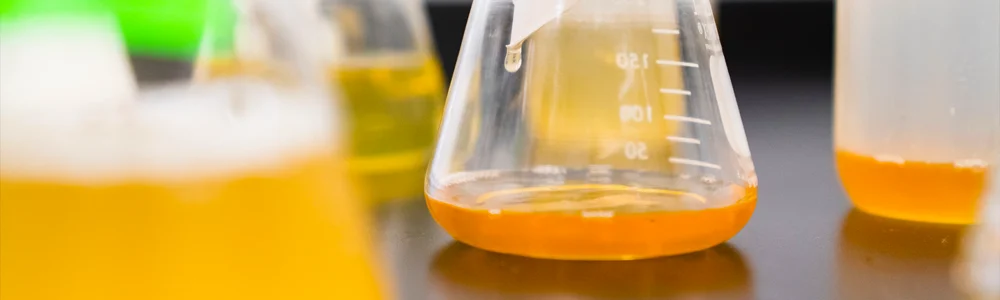
Advanced oxidation processes (AOPs) are powerful oxidizing technologies that oxidize 1,4-dioxin and other lingering organic pollutants. The AOPs produce hydroxyl radicals (•OH), highly reactive molecules that can dismantle chemical structures such as 1,4-dioxin into less destructive compounds. UV/H2O2, ozone (O3), and Fenton’s reagent are some AOPs used in contaminated areas. These are powerful processes to disinfect water with 1,4-dioxin and can be paired with other treatments for greater overall remediation efficiency, which makes them a useful tool against pollution.
Thermal Treatment: High-Temperature Solutions
Heat is a new technology to eliminate 1,4-dioxin in soil and sediment by heat treatment. Such procedures as thermal desorption and incineration heat the contaminated material until 1,4-dioxin dissolves into less toxic compounds. By way of illustration, thermal desorption vaporises the contaminant, which can then be trapped and isolated, and incineration eliminates the chemical entirely. These techniques are particularly suitable for highly contaminated sites, but they require large amounts of energy and special oversight in the event that dioxin byproducts become released. These are still major limitations of the thermal treatment to 1,4-dioxin removal.
Phytoremediation: Green Solutions for Soil Cleanup
Plant-based phytoremediation — Phytoremediation, an environmentally sound method of absorbing, degrading or stabilizing contaminants such as 1,4-dioxin in soil — is a sustainable process. Some plants, called hyperaccumulators, take up a huge amount of pollutants via their roots and either store it in their tissues or consume it through metabolism. In the case of 1,4-dioxin, phytoremediation is a sustainable and economically feasible solution especially for large volumes of low-to-moderate contamination. It is slow, but very successful if part of a comprehensive remediation plan and is a sustainable alternative to disruptive cleanup.
Electrochemical Remediation
Electrochemical remediation is a new method in which 1,4-dioxin is broken down in polluted water and soil by electric currents. The direct current between electrodes and the contaminated medium can also cause chemical reactions that dissolution of the pollutant into less harmful substances. Electrochemical reactions, including electrocoagulation and electrooxidation, have been successfully applied to persistent organic pollutants such as 1,4-dioxin. This method is especially useful for groundwater and can be combined with other technologies for enhanced results. Electrochemical removal is gaining ground as a multi-functional and scalable alternative to large scale contamination problems.
Nanotechnology in Remediation
Nanotechnology is another field that has huge promise for 1,4-dioxin mitigation. There is also nanoparticle-based material for dissolution of 1,4-dioxin, such as zero-valent iron nanoparticles (nZVI). They are highly reactivity and surface-area nanoparticles, very useful for removing enduring pollutants. The nanotechnology can be used directly on the ground where soil and groundwater that have been contaminated can be treated directly, without excavating. Though it remains too experimental to apply for mass use, nanotechnology opens a promising avenue for more effective and targeted environmental cleanups of 1,4-dioxin and other pollutants.
Integrated Remediation Approaches
Since 1,4-dioxin contamination is so complicated, integrated remediation based on multi-technology solutions is usually the most successful. e.g., a blend of bioremediation with powerful oxidation can accelerate degradation of 1,4-dioxin, taking advantage of the strengths of each. Likewise, thermal treatment first to reduce contaminant and phytoremediation to stabilize long term can be a one-stop solution. These combined approaches allow for more precise remediation procedures to be targeted to particular site conditions and contamination rates resulting in more efficient and cost-effective cleanup of 1,4-dioxin-contaminated sites.
Future Directions in 1,4-Dioxin Remediation
It’s more innovation and improved, more sustainable technologies that are where 1,4-dioxin remediation is going to go. Innovations such as biotechnology, nanotechnology and environmental engineering will also yield methods that make existing processes more efficient, and cleanups less ecologically harmful. Teams of researchers and field trials will be needed to translate these technologies from the lab into practice. Once more people are conscious of the health risks posed by 1,4-dioxin, pressure will mount for faster, safer ways to rid our planet of contamination so that those who follow us into the future are not exposed to the health risks from this inert pollutant. Additionally, understanding the specific contexts of contamination, such as Long Island City’s industrial history, will be crucial in tailoring remediation strategies. By acknowledging the unique challenges presented by past industrial activities, researchers can develop targeted approaches that address both immediate health concerns and long-term environmental sustainability. Public awareness and community involvement will play a vital role in driving these efforts forward, ensuring that future generations inherit a cleaner and safer ecosystem.
Conclusion
New solutions to 1,4-dioxin cleanup provide new prospects against this long-lasting and noxious chemical. Bioremediation, specialized oxidation processes, thermal processing, nanotechnology are all useful techniques that can be customized to the specific contamination issue. With these approaches and further research on new technologies, we could build more cost-effective and sustainable solutions for 1,4-dioxin cleanup sites. Restoring public health and the environment from 1,4-dioxin exposure requires innovation, cooperation, and continuing investment in research and development of advanced remediation methods.
Share this on social media:
Facebook
Twitter
LinkedIn

Related Posts