7 Pathogens That Contaminate Drinking Water
- Published:
- Updated: January 17, 2025
Summary
Contaminated drinking water can lead to serious health risks, including waterborne diseases. Understanding the pathogens responsible for these risks is essential for maintaining water safety.
- Escherichia coli (E. coli): Bacteria indicating fecal contamination that can cause gastrointestinal illness.
- Giardia lamblia: A chlorine-resistant parasite causing giardiasis, often from contaminated water.
- Cryptosporidium: A protozoan parasite resistant to chlorine, leading to severe diarrheal diseases.

Maintaining the integrity of drinking water is essential for public health. Contaminated water not only poses a significant health risk but also challenges the efficacy of water supply systems worldwide. As a seasoned professional in environmental consulting and water quality analysis, I aim to elucidate the seven most notorious pathogens that contaminate drinking water. Understanding these pathogens is the first step in safeguarding public health and ensuring safe drinking water.
Understanding Waterborne Diseases
Waterborne diseases are caused by pathogenic microorganisms that most commonly are transmitted in contaminated fresh water. Infections result from drinking or coming into contact with contaminated water sources. Waterborne pathogens pose a serious risk, especially in areas with inadequate water treatment facilities.
The Importance of Water Quality Standards

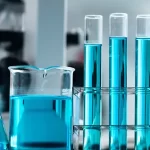
Ensuring water quality involves rigorous testing and adherence to established standards. The World Health Organization (WHO) and the Environmental Protection Agency (EPA) provide guidelines to limit the presence of harmful microorganisms in drinking water. Such standards are crucial to prevent outbreaks of waterborne diseases. In addition to following these guidelines, regular monitoring and assessment of water sources are essential to detect any contaminants early. A drinking water testing laboratory plays a critical role in this process by analyzing water samples for various pollutants and pathogens. By maintaining stringent testing protocols, these laboratories help ensure that public health is safeguarded and that communities have access to safe drinking water.
The Seven Pathogens to Watch
Several microorganisms are particularly notorious for contaminating drinking water. Here, we explore seven pathogens that are critical to monitor and control.
1. Escherichia coli (E. coli)
Escherichia coli, commonly known as E. coli, is a bacterium found in the intestines of humans and animals. While most strains are harmless, certain strains can cause severe food poisoning. E. coli contamination in drinking water usually indicates fecal contamination, which can lead to outbreaks of gastrointestinal illness.
2. Giardia lamblia
Giardia lamblia is a protozoan parasite that causes giardiasis, an infection of the small intestine. This pathogen is resistant to chlorine disinfection, making it a significant concern in water treatment. Giardia contamination often results from the ingestion of cysts present in contaminated water.
3. Cryptosporidium
Cryptosporidium is another protozoan parasite that causes cryptosporidiosis. It is highly resistant to chlorine disinfection and can survive in harsh environmental conditions. Ingestion of contaminated water can lead to severe diarrheal disease, particularly in immunocompromised individuals.
4. Vibrio cholerae
Vibrio cholerae is the bacterium responsible for cholera, a potentially fatal diarrheal disease. Outbreaks are often linked to contaminated water sources, especially in regions lacking proper sanitation infrastructure. The rapid onset and severity of cholera make it a significant public health concern.
5. Salmonella
Salmonella bacteria are commonly associated with foodborne illness but can also contaminate drinking water. Ingestion of water containing Salmonella can lead to severe gastrointestinal symptoms. Contamination typically occurs through fecal matter entering water supplies.
6. Legionella pneumophila
Legionella pneumophila is the bacterium responsible for Legionnaires’ disease, a severe form of pneumonia. This pathogen thrives in warm water environments, such as plumbing systems and hot water tanks. Inhalation of contaminated water droplets can lead to infection.
7. Norovirus
Norovirus is a highly contagious virus that can spread through contaminated water. It causes acute gastroenteritis, characterized by vomiting and diarrhea. Outbreaks are common in closed environments, such as cruise ships and nursing homes, emphasizing the importance of water hygiene.
Water Purification Methods to Combat Pathogens
Ensuring safe drinking water involves the implementation of effective water purification methods. Various techniques can be employed to remove or inactivate pathogens, each with its own advantages and limitations.
Chlorination
Chlorination is a widely used method of disinfecting water by adding chlorine or chlorine compounds. It is effective against many bacteria and viruses but less so against protozoan cysts like Giardia and Cryptosporidium. The effectiveness of chlorination depends on the concentration and contact time.
Filtration
Filtration involves the physical removal of particles and microorganisms from water. Different types of filters, such as sand, carbon, and membrane filters, can be used depending on the specific needs. Filtration is particularly effective against larger pathogens, such as protozoan cysts.
Ultraviolet (UV) Disinfection
UV disinfection uses ultraviolet light to inactivate microorganisms by damaging their DNA. This method is effective against a broad range of pathogens, including bacteria, viruses, and protozoa. However, it does not remove chemical contaminants from water.
Reverse Osmosis
Reverse osmosis is a process that uses a semi-permeable membrane to remove ions, molecules, and larger particles from water. It is highly effective in removing a variety of contaminants, including pathogens, but can be costly and require significant energy input.
Practical Advice for Ensuring Safe Drinking Water
- Regular Testing: Conduct regular water quality testing to detect and address contamination promptly. Testing should adhere to local and international water quality standards.
- Infrastructure Maintenance: Ensure that water supply systems are well-maintained to prevent contamination from leaks or cross-connections.
- Public Education: Educate communities about the importance of water hygiene and the potential risks of contaminated water sources.
- Emergency Preparedness: Develop and implement emergency response plans to address potential contamination events quickly and effectively.
Conclusion
Understanding the pathogens that can contaminate drinking water is crucial for maintaining public health and preventing waterborne diseases. By implementing robust water purification methods and adhering to water quality standards, we can significantly reduce the risk of contamination. As environmental consultants and water quality analysts, our role is to provide reliable, accurate information and practical solutions to ensure safe and clean drinking water for all.
Share this on social media:
Facebook
Twitter
LinkedIn

Related Posts